



本文加工
(1) 予期せぬ停車と郷愁の発見(An Abrupt Stop and the Discovery of Longing)
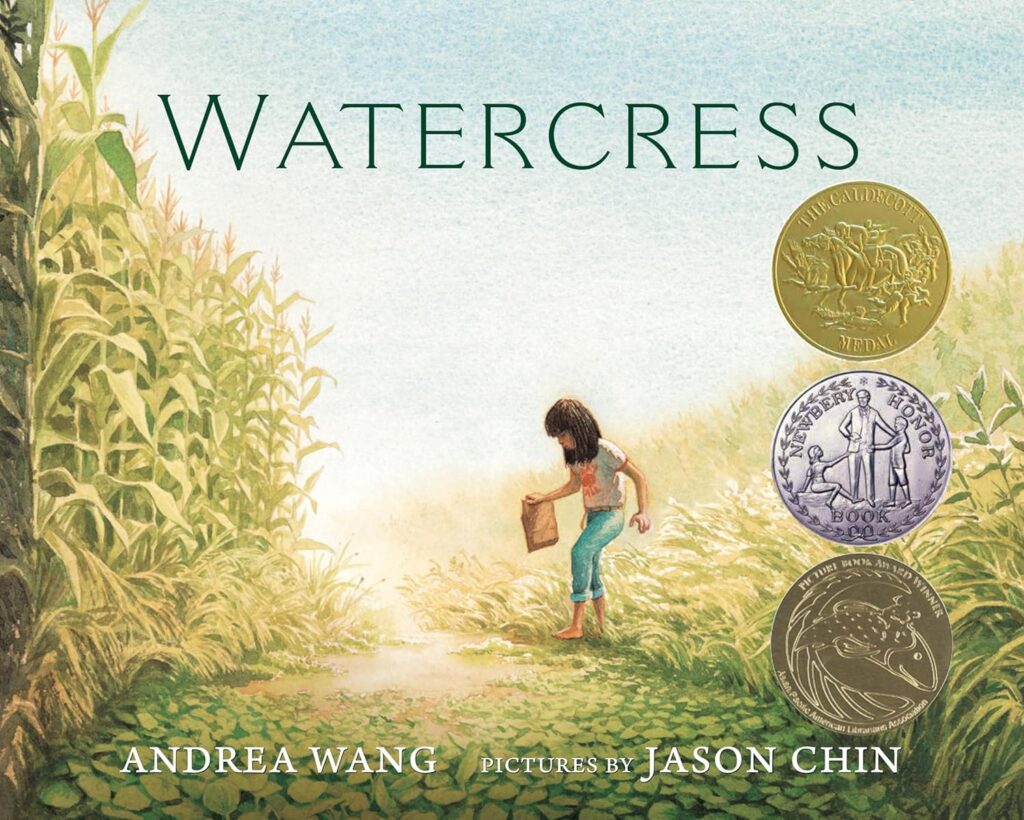
We are in the old Pontiac /ˈpɒn.ti.æk/ , the red paint faded / by years of glinting /ˈɡlɪnt.ɪŋ/ (きらりと光る) Ohio sun, pelting (雨などが激しく打ちつける) rain, and biting (刺すように痛い) snow.
※ポンティアック(かつてアメリカのゼネラルモーターズが製造していた自動車のブランド名)


The tops of the cornstalks /ˈkɔːrn.stɔːks/ (トウモロコシの茎) make lines / that zigzag /ˈzɪɡ.zæɡ/ (vi ジグザグに進む) / across the horizon /həˈraɪ.zən/ .
Mom shouts, “Look!” and the car comes to an abrupt /əˈbrʌpt/ (予期しない) , jerking /ˈdʒɜː.kɪŋ/ (ガクガク動く) stop.
Mom’s eyes are as sharp / as the tip of a dragon’s claw (龍の爪の先) .
Dad’s eyes grow wide (驚きなどで目が大きく見開かれる).
“Watercress!” they exclaim, two voices
heavy with memories. (思い出に満ちあふれている、深い思いが詰まっている。 )
From the depths (奥深く) / of the trunk, they unearth /ʌnˈɜːθ/ (掘り出す) a brown paper bag, rusty scissors /ˈrʌs.ti ˈsɪz.ərz/ (錆びたハサミ) , and a longing /ˈlɒŋ.ɪŋ/ (切ない郷愁) / for China.
(2) 側溝での収穫とずぶ濡れの帰路(Harvesting in the Ditch and the Sodden Return)
They haul /ˈhɔːl/ (重いものをぐいと引っ張る) / us / out of the back seat.
We are told / to untie our sneakers, peel off (靴下や服などをペリペリと脱ぐ) our socks, and roll up (袖やズボンの裾をまくり上げる) our jeans.
We have to help them gather it.
The water / in the ditch /dɪtʃ/ (溝、泥水が流れる側溝) / is cold.
It stings (痛みがチクチクと刺す) my ankles and the mud squelches up /skweltʃɪz ʌp/ (泥などがグチュグチュと音を立てて湧き上がる。) / between my toes.
A car passes by and I duck my head (頭をひょいと下げる、身を隠す) / hoping it’s no one I know.
My parents cut bunches of (束、一塊の) the small plant, long stringy (ひも状の) stems / with leaves / round as coins (コインのように丸い葉).
My big brother yanks (ぐいと力任せに引っ張る、引き抜く) watercress up / by the handful (一掴みごとに) , roots / dripping dirty water / onto my shirt, and thrusts (ぐいと押し付ける) it / close to my face.
There are tiny snails (小さなカタツムリ、タニシ・モノアラガイ) / clinging to the underside (裏側にぴったりと張り付いている) .
I squirm away /skwɜːm əˈweɪ/ (体をよじって逃げる) .
The bag / in my hands / grows heavier and heavier / with the weight / of all the watercress.
The paper is soaked (びしょ濡れになっている) and I’m half afraid half hopeful that / the bottom will split (裂けて破れる) , sending all the plants back down (元の場所へ送り返す、落とす) / into the muck /mʌk/ (泥、汚物、ぬかるみ) .
Finally, we load everything, the soggy /sɒɡ.i/ bag, my sopping /sɒp.ɪŋ/ shirt, our sodden /sɒd.ən/ selves, into the car and head home (家に向かって帰る).
soggy, sopping, sodden /ˈsɒɡ.i ˈsɒp.ɪŋ ˈsɒd.ən/ : sɒɡ-i-sɒp-iŋ-sɒd-ən
水浸しの、ずぶ濡れの、ふやけた。 : (Soggy) wet and soft; (Sopping) completely wet or dripping with water; (Sodden) thoroughly soaked and heavy.
語源: soggy(沼地を意味するsog)、sopping(浸すを意味するsop)、sodden(沸騰した・茹でられたという古い過去分詞)。
解説: すべて「濡れている」状態を表する上級形容詞を頭文字の「S」で韻(頭韻)を踏んで並べた、極めて文学的でリズミカルな上級の表現です。紙袋も、シャツも、自分たち自身の体も、すべてが水分を含んでドロドロに重くなってしまった、哀れで疲れ果てたユーモラスな家族の姿を描写しています。
Our original destination is long forgotten (とっくの昔に忘れ去られている) , a memory / of something / unfinished.
*心の中にずっと引っかかっている「中途半端に終わってしまった出来事や約束」に対する切ない未練や記憶を表現する上級の文学的フレーズです
(3) 食卓のクレソンと「無料」への抵抗(Watercress on the Table and Resistance to “Free”)
On the dinner table / that night / is a dish of watercress, glistening / with garlicky /ɡɑː.lɪ.ki/ oil (にんにく風味の油) and freckled /ˈfrek.əld/ with (そばかすのようにあちこちに散らばっている) sesame seeds /ˈses.ə.mi siːdz/ (ゴマの種、炒りゴマ).
The mud and the snails are long gone but I still don’t want to eat it. Any of it.
I only want to eat vegetables / from the grocery /ˈɡroʊ.sə.ri/ store.
Mom and Dad press me to try some. “It is fresh,” Dad says. “It is free,” Mom says. I shake my head.
Free is bad.
Free is hand-me-down clothes (お下がりの服、古着) and roadside trash-heap furniture and now, dinner from a ditch.
語源: roadside(road「道路」+ side「脇」)+ trash-heap(trash「ごみ」+ heap「山」)+ furniture(フランス語の fournir「供給する、備え付ける」に由来する家具)。
(4) 秘められた過去とクレソンの新しい味(A Hidden Past and a New Taste of Watercress)
Mom sighs and disappears / into her room, returning / with an old photo.
“My family,” she says, “from before.” We stare.
Mom never talks / about her China family.
She points / to a small boy as thin / as a stem of watercress.
“My little brother. Your uncle.” We hold our breaths.
Mom never told us what happened / to him.
“During the great famine,” she says, “we ate anything / we could find, but it was still not enough.”
*1950年代末〜1960年代初頭の中国で発生した「中国大飢饉」
I look / from my uncle’s hollow face /ˈhɒl.oʊ feɪs/ (飢えや病気で頬がこけた顔) to the watercress / on the table and I am ashamed of being ashamed of my family.
*〜を恥じていた自分自身を恥じる、恥ずかしく思う。 : Feeling deep regret or guilt for having felt embarrassed or critical of one’s own identity or family before.
I take a bite of the watercress and it bites me back (食べ物がピリッと刺激を返してくる) / with its spicy, peppery /ˈpep.ər.i/ (コショウのような) taste.
It is delicate and slightly bitter, like Mom’s memories of home.
Together, we eat it all and make a new memory / of watercress.
英単語・英語表現
(1) 予期せぬ停車と郷愁の発見(An Abrupt Stop and the Discovery of Longing)
- old Pontiac
- /oʊld ˈpɒn.ti.æk/ : ohld-PON-tee-æk
- 古いポンティアック(かつてアメリカのゼネラルモーターズが製造していた自動車のブランド名)。 : An old automobile of a former brand manufactured by General Motors, known for producing sporty and performance-oriented vehicles.
- 語源: old(古英語の ald「古い」)+ Pontiac(18世紀にイギリス軍に対して抵抗運動を起こしたネイティブ・アメリカン(オタワ族)の有名な首長「ポンティアック」の名前、およびミシガン州の都市名に由来)。
- 解説: かつてアメリカで広く親しまれていた大衆車・スポーツセグメントのブランドです(2010年に廃止)。作中では “old Pontiac” と表現され、塗装が色あせていることから、家族が中古の古いアメ車に乗っていることが分かります。アメリカの「裕福な中産階級の象徴」としての新車ではなく、移民家庭が生活のために実用している年季の入った愛車として、家族の経済状況や背景をリアルに伝える固有名詞です。
- 発音のコツ: old は軽く添える程度にし、Pontiac の最初の /ˈpɒn/ に最大のアクセントを置き、後半の /ti.æk/ をなめらかに繋げて発音します。
- faded
- /ˈfeɪ.dɪd/ : fei-did
- 衣服や色などが色あせた、衰えた、しおれた。 : Having lost freshness, color, or brightness.
- 語源: 古フランス語の fade(味のない、色あせた)に由来。
- 解説: 車体の赤い塗装が長年の自然環境によって本来の鮮やかさを失い、くすんでしまっている様子を描写するB2レベルの形容詞です。新品ではない使い古された日々のリアリティを視覚的に伝えています。
- 発音のコツ: 最初の /feɪ/ を最も強く発音し、語尾の /dɪd/ をクリアに落とします。
- glinting
- /ˈɡlɪnt.ɪŋ/ : glint-iŋ
- きらめく、きらりと光る、反射する。 : Shining with small, bright flashes of light.
- 語源: 中期英語の glenten(輝く、反射する)に由来。
- 解説: 太陽の光が車のボディに反射して、鋭く一瞬きらりと光る様子を表現しています。単に「輝く(shining)」と言うよりも、光の断続的なきらめきが目に浮かぶような視覚的な上級語彙です。
- 発音のコツ: 最初の /ɡlɪ/ にアクセントを置き、弾ませるように発音します。
- pelting
- /ˈpelt.ɪŋ/ : pelt-iŋ
- (雨などが)激しく打ちつける、土砂降りの。 : (Of rain, hail, etc.) falling heavily and with great force.
- 語源: 15世紀頃の「(石などを)投げつける」という意味の動詞 pelt に由来。
- 解説: 天気が「激しい雨」であることを表す上級表現です。まるで雨粒が車に対して何かを投げつけているかのように、勢いよくバチバチと叩きつけている過酷な情景を描写しています。
- 発音のコツ: 最初の /pe/ に強い音を乗せ、語尾の /ɪŋ/ は軽く落とします。
- biting
- /ˈbaɪt.ɪŋ/ : bait-iŋ
- 身を切るような、刺すように痛い、辛辣な。 : Having a sharply cold and painful effect.
- 語源: 古英語の bītan(噛む)の現在分詞形。
- 解説: 寒さや風、雪などが「まるで皮膚を噛み切るかのように痛い」という意味の比喩的な形容詞(B2)です。オハイオ州の冬の、身を切るような厳しい寒さを表現しています。
- 発音のコツ: /baɪ/ の二重母音をハッキリと強く発音します。
- cornstalks
- /ˈkɔːrn.stɔːks/ : kɔːrn-stɔːks
- トウモロコシの茎。 : The main stems of corn plants.
- 語源: corn(古英語の corn「穀物、粒子」)+ stalk(植物の茎、軸)。
- 解説: トウモロコシ畑に真っ直ぐに伸びる太い茎のことです。広大なアメリカの地方(ここではオハイオ州)の田舎道を車で走っている際、どこまでも続くトウモロコシ畑の先端(てっぺん)が、地平線を背景にギザギザとした「線」のように連なっているアメリカらしいのどかな風景を視覚的に描写しています。
- 発音のコツ: 最初の /ˈkɔːrn/ を最も強く発音してRの響きを持たせ、後半の /stɔːks/ は口を縦に開けてしっかりと長く伸ばします。
- zigzag
- /ˈzɪɡ.zæɡ/ : zɪɡ-zæɡ
- ジグザグに進む、Z字形に折れ曲がる。 : To move or form a line in a sharp, alternating left-and-right pattern.
- 語源: 18世紀初期にフランス語の zigzag(ドイツ語の Zickzack「鋸歯状の、交互に折れ曲がる動き」)から英語に借用。
- 解説: 線や道が鋭角に何度も左右に折れ曲がりながら続く様子を表すB2レベルの動詞(または名詞・形容詞)です。ここでは、延々と続くトウモロコシ畑のてっぺんの凹凸が、果てしない地平線に対してギザギザとした鋸(のこぎり)の刃のようなラインを描き出している、アメリカの地方ならではの風景をグラフィカルに描写しています。
- 発音のコツ: 前半の /ˈzɪɡ/ と後半 of /zæɡ/ の両方をハッキリと発音しますが、最初の /ˈzɪɡ/ に最も強いアクセントを置きます。
- horizon
- /həˈraɪ.zən/ : hə-RAI-zən
- 地平線、水平線。 : The line at which the earth’s surface and the sky appear to meet.
- 語源: ギリシャ語の horizōnkyklos(境界を決める円、極限)に由来。
- 解説: 空と大地(または海)の境界線を表すB2レベルの必須名詞です。オハイオ州の平坦でどこまでも続く広大な土地において、視界を遮るものがない遙か彼方の「地平線」を、トウモロコシ畑の連続するラインが横切っているという、アメリカの中西部特有のダイナミックなスケール感を表現しています。
- 発音のコツ: 第2音節の /ˈraɪ/ に最大のアクセントがあります。最初の /hə/ は弱く曖昧に発音し、一気に「ライ」の音を強調します。
- abrupt
- /əˈbrʌpt/ : ə-brupt
- 突然の、予期しない、急な。 : Sudden and unexpected, often in an unpleasant way.
- 語源: ラテン語の abruptus(断絶された、引き裂かれた)に由来。
- 解説: 前触れもなく何かが急激に起こる様子を表すB2レベルの必須単語です。ここでは、のんびり走っていた車が、親の叫び声と同時に「急に」停止したという展開の衝撃を伝えています。
- 発音のコツ: 第2音節の /rʌpt/ にアクセントがあります。最後の /t/ は小さく鋭く止めます。
- jerking
- /ˈdʒɜː.kɪŋ/ : jer-kiŋ
- 急にぐいと動く、ガクガク動く。 : Making a sudden, sharp, or rough movement.
- 語源: 16世紀の不規則で急な動きを表す擬音語的な言葉に由来。
- 解説: 車がスムーズに止まるのではなく、急ブレーキによって「ガクンガクンと前後に激しく揺れながら」止まる不快な振動を描写しています。
- 発音のコツ: /dʒɜː/ のこもったRの音を意識し、長めに響かせます。
- exclaim
- /ɪkˈskleɪm/ : ik-kleim
- 叫ぶ、大きな声を出す、感嘆する。 : To cry out suddenly, especially in surprise, anger, or excitement.
- 語源: ラテン語の exclaimare(ex-「外へ」+ clamare「叫ぶ」)。
- 解説: 単に大きな声を出す(shout)だけでなく、「驚きや強い感情が内側から突き上げて、思わず言葉が口から飛び出した」というニュアンスを持つB2レベルの動詞です。
- 発音のコツ: 第2音節の /kleɪm/ を最も強く発音します。
- grow wide
- /ɡroʊ waɪd/ : ɡroʊ-waɪd
- (驚きなどで目が)大きく見開かれる、丸くなる。 : (Of eyes) to open very large, usually because of shock, surprise, or excitement.
- 語源: grow(古英語の grōwan「成長する、〜になる」)+ wide(古英語 of wīd「広い」)。
- 解説: 状態の変化を表す動詞 grow(〜になる)を用いた表現です。母親が突然「見なさい!」と叫んで急ブレーキをかけた際、何が起きたのかと驚いた父親の目が「パッと大きく丸くなった」という臨場感のある反応を、視覚的に分かりやすく描写しています。
- 発音のコツ: wide の /waɪd/ を最も強く発音し、最後の /d/ は息を止めるように小さく破裂させます。
- tip of a dragon’s claw
- /tɪp əv ə ˈdræɡ.ənz klɔː/ : tɪp-əv-ə-DRÆG-ənz-klɔː
- 龍の爪の先。 : The sharp, pointed end of a mythical dragon’s talon.
- 語源: tip(古ノルド語の typpi「先端」)+ dragon(ラテン語の draco「大蛇、幻獣」)+ claw(古英語の clāwu「爪」)。
- 解説: 物語の中で非常に強い印象を残す上級の比喩表現です。道端で野生のクレソンを見つけた母親の目が、まるで伝説の生物である「龍の爪の先」のように鋭く研ぎ澄まされ、一点を射抜くように輝いた様子を描写しています。母親の、並外れた集中力と、クレソンという存在に対するただならぬ執着心や記憶の強さを、中国の象徴でもある「龍(dragon)」を用いて文学的に表現しています。
- 発音のコツ: dragon の最初の /ˈdræɡ/ と、claw の /klɔː/ を最も強く強調し、前半の tip of a は滑らかに繋げて「ティポバ」のように発音します。
- heavy with memories
- /ˈhev.i wɪð ˈmem.ər.iz/ : HEV-i-wɪð-MEM-ər-iz
- 思い出(記憶)に満ちあふれている、深い思いが詰まっている。 : Filled or weighed down with deep, nostalgic, or emotional recollections of the past.
- 語源: heavy(古英語の hefig「重い、重大な」)+ with(〜を持って)+ memories(ラテン語の memoria「記憶」)。
- 解説: 物理的な重さではなく、感情や記憶の「重み」を表す文学的な上級表現です。ただ大きな声で叫んだ(exclaim)のではなく、その二人の歌うような、あるいは驚いたような声の響きの中に、遠い故郷や過去の苦難といった、言葉には言い尽くせない膨大な「人生の記憶」がずっしりと込められていることを表現しています。
- 発音のコツ: heavy の最初の /ˈhev/ と memories の最初の /ˈmem/ を最も強く発音し、言葉の重みを乗せるように落ち着いて発音します。
- the depths of the trunk
- /ðə depθs əv ðə trʌŋk/ : ðə-depθs-əv-ðə-trʌŋk
- トランクの奥深く、荷台の底の方。 : The innermost or lowest part of a car’s luggage compartment.
- 語源: depth(古英語の dēop「深い」から派生した「深さ」)+ trunk(ラテン語の truncus「木の幹、箱」)。
- 解説: 自動車のトランク(荷物入れ)の、普段はあまり使わない一番奥の底の方を指す表現です。そこから古い紙袋や錆びたハサミを取り出す動作を描写していますが、同時に、親の心の奥底にずっと仕舞い込まれていた「中国への強い郷愁(longing for China)」が、クレソンを見つけたことで呼び覚まされ、引き出されていく様子を象徴する文学的な上級表現です。
- 発音のコツ: depths の /pθs/ は息を「プ・ス・ス」と細かく吐き出すようにし、最後の trunk の /ˈtrʌŋk/ を最も強く発音します。
- unearth
- /ʌnˈɜːθ/ : un-erth
- 掘り出す、発掘する、探し出す。 : To find something in the ground, or to discover something hidden after careful searching.
- 語源: 接頭辞 un-(取り除く)+ earth(土、地球)。「土の中から引き出す」という意味。
- 解説: トランクの奥に埋もれていた古い「袋」や「ハサミ」を引っ張り出す動作を表しています。同時に、心に仕舞い込んでいた古い記憶(longing for China)が呼び覚まされるという比喩表現としても非常に効果的に機能している上級単語です。
- 発音のコツ: /ɜːθ/ の部分で舌を後ろに引いたRの音から、前歯で舌を軽く噛む /θ/(息の音)への変化を正確に行います。
- rusty scissors
- /ˈrʌs.ti ˈsɪz.ərz/ : rʌs-ti-sɪz-ərz
- 錆びたハサミ。 : Scissors that are covered with rust, showing they are old or have been neglected.
- 語源: rusty(古英語の rúst「錆」+ 接尾辞 -y)+ scissors(ラテン語 of cidere「切る」)。
- 解説: 長い間トランクの奥底に放置され、赤茶色に錆びついてしまったハサミを指す表現です。このハサミは、家族が計画的にピクニックや採取に来たのではないか、何かの時のために車に積みっぱなしにされていた「あり合わせの道具」であることを示しています。また、その年季の入った古びた様子が、家族の経済的な生活感や、長い年月を経てなお消えない過去の記憶(longing for China)と重なり合うように描写されています。
- 発音のコツ: rusty の最初の /ˈrʌ/ と scissors の最初の /ˈsɪ/ の両方にアクセントを置き、sの連続する摩擦音を滑らかにつなぎます。
- longing
- /ˈlɒŋ.ɪŋ/ : loŋ-iŋ
- 憧れ、切望、熱望。 : A strong, persistent desire for someone or something, especially when it is far away or difficult to attain.
- 語源: 古英語の langian((距離や時間が)引き伸ばされる、切望する)に由来。
- 解説: 単なる「欲しい(want)」ではなく、手の届かない遠い場所や過去に対して、胸が締め付けられるような強い想いを抱くことを意味するB2名詞です。ここでは、二度と戻れないかもしれない故郷「中国」への切ない郷愁を表しています。
- 発音のコツ: 最初の /lɒ/ を最も強く、少し長めに発音します。
(2) 側溝での収穫とずぶ濡れの帰路(Harvesting in the Ditch and the Sodden Return)
- haul
- /ˈhɔːl/ : hɔːl
- (重いものを)ぐいと引っ張る、引きずり出す。 : To pull or drag something heavy with a lot of effort.
- 語源: 古フランス語の haler((船などを)ロープで引く)に由来。
- 解説: 単に「外に出す(get out)」のではなく、抵抗する子供たちを「力任せにぐいっと引っ張り出す」という強引なニュアンスを持つB2レベルの動詞です。自発的に車を降りたのではない、子供たちの乗り気でない様子がこの一語に凝縮されています。
- 発音のコツ: 口を縦に大きく開けて /hɔːl/ と長く伸ばし、最後のLの音で舌先を上の歯の付け根にしっかりつけます。
- untie
- /ʌnˈtaɪ/ : un-TIE
- (結ばれた紐などを)ほどく、解く。 : To undo a knot or something that is tied.
- 語源: 接頭辞 un-(否定・解除)+ tie(結ぶ)。
- 解説: 結んであるものを元の開いた状態に戻すというB2レベルの動詞です。ここでは、しっかり結ばれたスニーカーの紐を緩めて脱ぐ準備をする動作を表しています。
- 発音のコツ: 最初の /ʌn/ は短く弱く発音し、後ろの /taɪ/ に強いアクセントを置いてハッキリと発音します。
- peel off
- /piːl ɒf/ : piːl-ɒf
- (靴下や服などを)ペリペリと脱ぐ、剥ぎ取る。 : To remove clothing, especially tight or wet garments, in a way resembling peeling skin.
- 語源: peel(ラテン語の pilare「毛をむしる、皮をむく」)+ off(離れて)。
- 解説: 果物の皮をむくように、足に密着した靴下などを「ペリっと剥ぎ取るように脱ぐ」様子を表する生き生きとした英語表現です。これから泥に入るための、どこか泥臭い準備の臨場感を描写しています。
- 発音のコツ: peel の /piːl/ を強く発音し、そのまま off に繋げて「ピーロフ」のように滑らかに発音します。
- roll up
- /roʊl ʌp/ : roll-up
- (袖やズボンの裾を)まくり上げる。 : To fold the edges of a piece of clothing upwards.
- 語源: roll(転がす、巻く)+ up(上へ)。
- 解説: 衣服の裾をくるくると上に巻き上げる日常的な重要表現です。水や泥でジーンズが汚れないように、裾をたくし上げる子供たちの様子を描写しています。
- 発音のコツ: roll の /roʊl/ と up の /ʌp/ を繋げて「ロゥラップ」のように流れるように発音します。
- ditch
- /dɪtʃ/ : dɪtʃ
- 溝、泥水が流れる側溝。 : A long, narrow trench dug in the ground, especially for drainage beside a road or field.
- 語源: 古英語の dīc(溝、堤防)に由来。
- 解説: 道路の脇などにある未舗装の「側溝」や「泥の溝」を指すB2レベルの名詞です。スーパーで売っているきれいな野菜ではなく、本来は食べるための場所ではない「泥まみれの溝」から食材を採っているという、主人公の困惑や恥ずかしさの舞台設定となる重要な単語です。
- 発音のコツ: 最初の /dɪ/ にアクセントを置き、語尾の /tʃ/ は息を鋭く「チ」と吐き出すように止めます。
- stings
- /stɪŋz/ : stɪŋz
- (痛みが)チクチクと刺す、ズキズキ痛む。 : Causes a sharp, burning, or pricking pain.
- 語源: 古英語の stingan((針などで)刺す)に由来。
- 解説: 蜂などが針で刺すという意味のほか、冷たい水や風が皮膚に「チクチクと刺すような痛みをあたえる」という意味を表すB2レベルの動詞です。溝の水がただ冷たいだけでなく、不快感を伴う冷たさであることを身体感覚として伝えています。
- 発音のコツ: 最初の /stɪ/ に強いアクセントを置き、語尾の /ŋz/ は鼻に抜けるように濁らせて発音します。
- squelches up
- /skweltʃɪz ʌp/ : skweltʃ-ɪz-ʌp
- (泥などが)グチュグチュと音を立てて湧き上がる。 : Makes a squelching sound; mud or water forced through a narrow opening, like between toes, with a sucking noise.
- 語源: 17世紀の「押しつぶす、ぬかるみを歩く」という意味の擬音語的な言葉に由来。
- 解説: 足の指の間から冷たい泥が「グチュッ、ニュルッ」と音を立てて這い上がってくる不快な感触を、音と感覚でリアルに再現した上級の擬音表現です。主人公の嫌悪感が視覚と触覚を通じて鮮烈に伝わります。
- 発音のコツ: squelches の最初の /ˈskwel/ を最も強く発音し、語尾の /tʃɪz/ と ʌp を繋げて「スクウェルチザップ」のように発音します。
- duck my head
- /dʌk maɪ hed/ : dʌk-maɪ-hed
- 頭をひょいと下げる、身を隠す。 : To lower one’s head quickly, especially to avoid being seen or hit.
- 語源: duck(古英語の dūcan「(水に)潜る、頭を隠す」:鳥のアヒルと同源)。
- 解説: 周囲から見つからないように「咄嗟に頭をすくめて身を隠す」動作を表す表現です。車が通りかかるたびに、知り合いに見られたらどうしようという主人公の「強烈な羞恥心」を動的に描写しています。
- 発音のコツ: head の /hed/ を強調しつつ、全体を一つの滑らかな動作のようにテンポよく発音します。
- bunches of
- /ˈbʌn.tʃɪz əv/ : bʌn-tʃɪz-əv
- 房、束、一塊の。 : A number of things of the same kind growing, fastened, or placed together.
- 語源: 中期英語の bunche(こぶ、膨らみ、束)に由来。
- 解説: 花や野菜、ブドウなどの果物が「一まとめの束や房になっている状態」を表すB2レベルの量表現です。ここでは、両親が野生のクレソンを一本ずつ丁寧に摘むのではなく、手で掴めるだけのまとまった「束」にして次々と刈り取っている、その勢いと収穫の多さを描写しています。
- 発音のコツ: 最初の /ˈbʌn/ に強いアクセントを置き、語尾の /tʃɪz/ と əv を滑らかに繋げて発音します。
- stringy
- /ˈstrɪŋ.i/ : strɪŋ-i
- 筋張った、ひも状の、繊維質の。 : Long, thin, and fibrous, resembling pieces of string.
- 語源: string(ひも)+ 接尾辞 -y(〜のような)。
- 解説: 植物の茎などが「細長くてひものように筋張っている」様子を表する形容詞です。洗練された高級野菜とはかけ離れた、野生のクレソンのありのままの、少し不格好で生々しい見た目を表現しています。
- 発音のコツ: 最初の /ˈstrɪŋ/ にアクセントを置き、後ろの /i/ は軽く短く添えます。
- leaves round as coins
- /liːvz raʊnd əz kɔɪnz/ : liːvz-rawnd-əz-kɔɪnz
- コインのように丸い葉。 : Leaves that have a circular shape resembling coins.
- 語源: leaves(古英語の lēaf「植物の葉」)+ round(ラテン語の rotundus「円形の」)+ as(〜のような)+ coins(ラテン語の cuneus「くさび、金属の型」)。
- 解説: 野生植物の形状を親しみやすく、かつ視覚的に分かりやすく例えた上級の比喩表現です。「as 形容詞 as 名詞」の最初の as が省略された形(leaves [that are] round as coins)で、水面に浮かぶクレソンの小さくて丸い葉の形を、硬貨(コイン)に例えてグラフィカルに描写しています。
- 発音のコツ: それぞれの単語の頭文字(L, R, C)をハッキリと立てながら、リズミカルに流れるように発音します。
- yanks
- /jæŋks/ : jæŋks
- ぐいと力任せに引っ張る、引き抜く。 : Pulls something with a sharp, sudden, and powerful movement.
- 語源: 19世紀のスコットランド方言(急に動く、叩く)に由来するアメリカ英語。
- 解説: 丁寧に摘み取るのではなく、お兄ちゃんが雑草を抜くように「グイッと手荒に引き抜く」動作を表するカジュアルな動詞です。お兄ちゃんが無邪気(あるいは大雑把)に採取を楽しんでいる姿が、主人公の嫌悪感と対比されています。
- 発音のコツ: /jæ/ の音を少し鼻にかけるようにして、鋭く力強く発音します。
- handful
- /ˈhænd.fʊl/ : hænd-fʊl
- ひと握り、一掴み(の量)。 : An amount that can be held in one hand.
- 語源: hand(手)+ full(満ちた)。
- 解説: 手のひらで掴めるだけの分量を表すB2レベルの名詞です。by the handful(一掴みごとに、何掴みも)という形で、次から次へと大量にクレソンが引き抜かれていく様子を表現しています。
- 発音のコツ: 最初の /ˈhænd/ を最も強く発音し、語尾の /fʊl/ は弱く短く処理します。
- thrusts
- /θrʌsts/ : θrʌsts
- ぐいと押し付ける、突き出す。 : Pushes something suddenly or violently in a specified direction.
- 語源: 古ノルド語の thrýsta(押す、強いる)に由来。
- 解説: 相手の目の前に物などを「強引に、不意に突き出す」動作を表すB2レベルの動詞です。泥だらけのクレソンを顔の前に突きつけられた主人公の、驚きと嫌悪のリアクションを引き出すお兄ちゃんのいたずらっぽい動きを描写しています。
- 発音のコツ: 最初の /θr/(前歯で舌を噛む音)から /ʌ/ へと一気に声を出し、語尾の /sts/ は息を細かく吐き出すように発音します。
- tiny snails
- /ˈtaɪ.ni sneɪlz/ : taɪ-ni-sneɪlz
- 小さなカタツムリ。 : Very small shelled gastropods commonly found in wet vegetation or freshwater environments.
- 語源: tiny(中期英語の tyne「とても小さい」)+ snails(古英語の snægl「這う生き物、カタツムリ」)。
- 解説: 野生のクレソンの葉の裏に張り付いている、ごく小さなカタツムリ(タニシやモノアラガイなどの淡水性の巻貝)を指す表現です。スーパーで売られている無農薬のきれいな野菜とは異なり、道路脇の泥水(ditch)から直接採ってきた野生の植物であるという生々しさを象徴しています。これを見た主人公の生理的な拒絶感や嫌悪感を一気に引き立てる、物語の視覚的なディテールとして重要な役割を果たしています。
- 発音のコツ: tiny の最初の /ˈtaɪ/ に最も強いアクセントを置き、後ろの snails に滑らかに繋げます。
- clinging to the underside
- /ˈklɪŋ.ɪŋ tuː ðə ˈʌn.dər.saɪd/ : klɪŋ-iŋ-tuː-ðə-ʌn-dər-said
- 裏側にぴったりと張り付いている。 : Holding on tightly to the lower surface or bottom side of something.
- 語源: clinging(古英語の clingan「縮む、固着する、しがみつく」の現在分詞)+ to(〜に)+ the(その)+ underside(under「〜の下」+ side「側」)。
- 解説: 動詞 cling(ぴったりとしがみつく、固着する、粘着する:B2)と underside(物の裏側、下面:C1)が組み合わさった、非常に視覚的で解像度の高い上級表現です。お兄ちゃんが引き抜いたクレソンの葉の「裏側(underside)」に、小さなカタツムリたちが生々しく「剥がれないようにしっかりと張り付いている」様子を精密に描写しています。スーパーの清潔な野菜しか知らない主人公の、生理的な嫌悪感をより一層際立たせる効果的な描写です。
- 発音のコツ: clinging の最初の /ˈklɪŋ/ に強いアクセントを置き、underside の第1音節 /ˈʌn/ に向かって一息に発音します。
- squirm away
- /skwɜːm əˈweɪ/ : skwɜːm-ə-wei
- 体をよじって逃げる、身をかわす。 : To twist and turn the body away from someone or something with wriggling movements, often due to discomfort or dislike.
- 語源: 17世紀の「身をよじる」という意味の擬音語的な言葉に由来。
- 解説: 虫などがウネウネと動く様子や、人間が気持ち悪がって「体をクネクネとよじらせて逃げる」様子を描写する上級表現です。カタツムリがついた植物を突きつけられ、生理的な嫌悪感から必死に身を引く主人公の様子をリアルに表現しています。
- 発音のコツ: squirm のこもったRの音 /skwɜːm/ を強調し、そのまま away に流れるように繋げます。
- The paper is soaked
- /ðə ˈpeɪ.pər ɪz soʊkt/ : ðə-pei-pər-ɪz-soʊkt
- 紙(袋)がびしょ濡れになっている。 : The paper bag is completely wet and drenched with water.
- 語源: the(その)+ paper(エジプトのパピルス草に由来する「紙」)+ is(〜である)+ soaked(古英語の socian「浸る、水分を吸う」の過去分詞)。
- 解説: 採ったばかりの濡れたクレソンをそのまま入れたため、茶色の紙袋(アメリカで一般的な買い物用のペーパーバッグ)が水分を吸って「中まで完全にびしょびしょにふやけている」状態を表するB2レベルの描写です。ただ濡れているだけでなく、紙の強度が失われて今にも破れそうな、不穏でドロドロとした状況を視覚的に伝えています。
- 発音のコツ: paper の最初の /ˈpeɪ/ と soaked の二重母音 /soʊkt/ を強調して、重苦しい状況を表現するように発音します。
- the bottom will split
- /ðə ˈbɒt.əm wɪl splɪt/ : ðə-bɒt-əm-wɪl-splɪt
- 底が(ビリっと)裂けて破れるだろう。 : The lowest part of the bag will rip or tear open due to being wet and heavy.
- 語源: bottom(古英語の botm(最低部、基礎))+ will(〜だろう)+ split(中期オランダ語の splitten(裂く、引き裂く))。
- 解説: 水分を吸ってふやけた紙袋の底が、クレソンの重みに耐えかねて「ビリっと真っ二つに裂けて破れてしまう」という緊迫した状況を予測するB2レベルの表現です。主人公が「底が抜けて、集めたクレソンが全部泥の中に落ちてしまえばいいのに」という密かな期待(half hopeful)と、袋が破れて大惨事になることへの恐れ(half afraid)という葛藤する心理状態を象徴する重要なフレーズです。
- 発音のコツ: split の /splɪt/ を鋭く、引き裂かれるようなイメージで短く発音します。
- send back down
- /send bæk daʊn/ : send-bæk-daʊn
- 元の場所へ(下へと)送り返す、落とす。 : To cause something to return to a lower position or its original place below.
- 語源: send(古英語 of sendan(行かせる、送る))+ back(元の場所へ)+ down(下へ)。
- 解説: 動詞 send に方向を表する副詞(back と down)が組み合わさった、口語的で空間的な動きを感じさせる熟語表現です。ここでは、もし持っている紙袋の底が抜けたら、中にたくさん詰まったクレソンが「再び元の泥の溝(muck)の中へとバラバラと落ちて戻っていく」という物理的な動きを、主人公の淡い期待(half hopeful)とともに描写しています。
- 発音のコツ: 3つの単語がそれぞれ均等に強調され、下に向かうエネルギーを感じさせるように一息にテンポよく発音します。
- muck
- /mʌk/ : mʌk
- 泥、汚物、ぬかるみ。 : Wet, sticky mud, dirt, or organic waste material.
- 語源: 古ノルド語の myki(糞、肥やし)に由来。
- 解説: 単なるきれいな土や泥(mud)ではなく、有機物が混ざってドロドロとした「不潔な泥、ぬかるみ」を指す上級名詞です。主人公がこの採取作業をどれほど嫌がっているか、その拒絶感がこの言葉の選択に表れています。
- 発音のコツ: 短く鋭く /mʌk/ と発音し、最後の /k/ を小さく破裂させます。
- load
- /loʊd/ : loʊd
- (大量の荷物を)積み込む。 : To put a large amount of things or cargo into a vehicle or container.
- 語源: 古英語の lād(旅、運搬、道)に由来.
- 解説: 車のトランクや後部座席に、荷物を「どっさりと載せる、積み込む」という意味のB1レベルの動詞です。ここでは、泥だらけの溝から引き抜いた大量のクレソン(水分を吸って今にも底が抜けそうな紙袋に入ったもの)を、車のトランクなどにすべて「押し込むようにして積み込む」という、一連 of 泥臭い作業の締めくくりの動作を描写しています。
- 発音のコツ: 二重母音の /oʊ/ を意識して、日本語の「ロード」よりも「ロゥドゥ」のように、口をすぼめて滑らかに音を変化させながら伸ばします。
- soggy, sopping, sodden
- /ˈsɒɡ.i ˈsɒp.ɪŋ ˈsɒd.ən/ : sɒɡ-i-sɒp-iŋ-sɒd-ən
- 水浸しの、ずぶ濡れの、ふやけた。 : (Soggy) wet and soft; (Sopping) completely wet or dripping with water; (Sodden) thoroughly soaked and heavy.
- 語源: soggy(沼地を意味するsog)、sopping(浸すを意味するsop)、sodden(沸騰した・茹でられたという古い過去分詞)。
- 解説: すべて「濡れている」状態を表する上級形容詞を頭文字の「S」で韻(頭韻)を踏んで並べた、極めて文学的でリズミカルな上級の表現です。紙袋も、シャツも、自分たち自身の体も、すべてが水分を含んでドロドロに重くなってしまった、哀れで疲れ果てたユーモラスな家族の姿を描写しています。
- 発音のコツ: 各単語の最初の /s/ をしっかり息を吐き出すように意識して、リズミカルに3連続で畳み掛けるように発音します。
- head home
- /hed hoʊm/ : head-hoʊm
- 家に(向かって)帰る。 : To start traveling toward one’s house.
- 語源: head(古英語の hēafod「頭、進路を向ける」)+ home(古英語の hām「家、故郷」)。
- 解説: 単に帰宅するというだけでなく、「意識や体の向きを我が家へと向けて出発する」というニュアンスを持つ、日常会話でも非常によく使われるB1レベルの重要表現です。ここでは、泥だらけの溝(ditch)でのクレソン摘みという、主人公にとって気まずくて恥ずかしかった一連の作業がようやくすべて終わり、ようやく自分たちの家へと車を走らせる解放感の瞬間を描写しています。
- 発音のコツ: head の /hed/ と home の /hoʊm/(口をしっかりすぼめる)を、それぞれ H の息をしっかり吐き出しながら一続きに発音します。
- is long forgotten
- /ɪz lɔːŋ fərˈɡɒt.ən/ : ɪz-lɔːŋ-fər-ɡɒt-ən
- とっくの昔に忘れ去られている。 : Has been completely forgotten for a very long period of time.
- 語源: is(〜である)+ long(古英語の lange「長い間」)+ forgotten(forgetの過去分詞。古英語の for-「完全に」+ gietan「掴む」=記憶から完全に失う)。
- 解説: 過去の出来事や記憶が、単に忘れられているだけでなく、「気が遠くなるほどの長い歳月を経て、人々の記憶から完全に、あるいは綺麗さっぱり消え去っている状態」を示すB2〜C1レベルの受動態表現です。ここでは、かつてあった出来事や感情が、今や時間の経過とともに完全に風化し、誰も思い出さないような状態になっている切なさを描写しています。
- 発音のコツ: long の /lɔːŋ/ を少し長めに強調し、forgotten の /ˈgɒ/ にアクセントを置いて、最後の /ən/ を鼻に抜くように短く落とします。
- longing
- /ˈlɒŋ.ɪŋ/ : loŋ-iŋ
- 憧れ、切望、熱望。 : A strong, persistent desire for someone or something, especially when it is far away or difficult to attain.
- 語源: 古英語の langian(長くなる、切望する)に由来。
- 解説: 単なる一時的な「欲しい(want)」という気持ちではなく、手に入りにくいものや遠く離れた人・場所に対して、胸が締め付けられるように「ずっと長く思い焦がれる」という深いニュアンスを持つB2レベルの名詞・形容詞です。物語の根底にある、主人公が抱く周囲への強い憧れや、満たされない複雑な心情を象徴する重要な言葉です。
- 発音のコツ: 最初の /ˈlɒŋ/ の音を鼻に抜けるように少し長めに強調し、後ろの /ɪŋ/ を滑らかに添えて発音します。
- a memory of something unfinished
- /ə ˈmem.ər.i əv ˈsʌm.θɪŋ ʌnˈfɪn.ɪʃt/ : ə-MEM-ər-i-əv-sʌm-θɪŋ-ʌn-fɪn-ɪʃt
- やり残したことの記憶、未完のまま残された記憶。 : A mental recollection of an action, event, or task that was left incomplete or interrupted.
- 語源: memory(ラテン語の memoria「記憶」)+ something(古英語の sum「ある」+ thing「物、事」)+ unfinished(接頭辞 un-「不、非」+ finish「終わらせる、完成させる」)。
- 解説: 心の中にずっと引っかかっている「中途半端に終わってしまった出来事や約束」に対する切ない未練や記憶を表現する上級の文学的フレーズです。完全に終わって美しい思い出になったものではなく、途中で遮断されたり、解決しないまま放置されたりしたために、かえって鮮明に心に残り続けている複雑なノスタルジーや感情のしこりを描写する際に使われます。
- 発音のコツ: memory の /ˈmem/、something の /ˈsʌm/、unfinished の /ˈfɪn/ をそれぞれ高く強く打ち、波を打つようにリズミカルに唱えます。
(3) 食卓のクレソンと「無料」への抵抗(Watercress on the Table and Resistance to “Free”)
- watercress
- /ˈwɔː.tə.kres/ : WAW-tər-kres
- オランダガラシ、クレソン。 : A green salad plant with small round leaves and a sharp flavor, that grows in water.
- 語源: water(水)+ cress(古英語の cerse「アブラナ科の植物」)。
- 解説: 水辺に自生するアブラナ科の多年草で、ピリッとした独特の辛味と苦味が特徴の野菜です。物語の核心となる植物であり、ここでは苦労して溝から採ってきた野生のクレソンが、調理されて夕食の食卓に並んでいる様子を描写しています。
- 発音のコツ: 最初の /ˈwɔː/ に最も強いアクセントを置き、後半の cress を低く短く発音します。
- glistening with
- /ˈɡlɪs.ən.ɪŋ wɪð/ : GLIS-ən-iŋ-wɪð
- (水分や油分で)きらきらと輝いている。 : Shining with a sparkling light from a wet or oily surface.
- 語源: glisten(古英語の glisnian「輝く、きらめく」の現在分詞)+ with(〜で)。
- 解説: 表面が濡れていたり、油が塗られていたりすることで「艶やかにきらきら光る」様子を表す上級の動詞表現です。炒められたクレソンが、ニンニクの効いた油(garlicky oil)をまとって食卓の上で美味しそうに、しかし主人公にとっては不気味に光っている様子を視覚的に描写しています。両親が腕を振るって美味しく調理し、料理としては非常に美しく仕上がっている食卓の光景を表現しています。
- 発音のコツ: glisten の t は発音しない(サイレント・レター)ため、最初の /ɡlɪ/ と garlicky の /ˈɡɑː/、oil の /ɔɪ/ のそれぞれの頭文字を弾ませるように「グリスニング」と滑らかに発音し、with に繋げます。
- garlicky oil
- /ˈɡɑː.lɪ.ki ɔɪl/ : GAR-lɪ-ki-ɔɪl
- にんにく風味の油、ガーリックオイル。 : Oil infused or flavored with garlic.
- 語源: garlic(古英語の gārlēac「槍のようなネギ」:gār「槍」+ lēac「ネギ」)+ 接尾辞 -y(〜の性質を持つ)+ oil(ラテン語の oleum「オリーブ油」)。
- 解説: ニンニクの香りと風味をたっぷりと移した炒め用の油を指す表現です。野生のクレソンの強いアクや苦味を和らげ、美味しく食べるために両親が工夫して調理した中華風の味付け(あるいは炒め物)であることを示唆しています。ニンニクがしっかりと効いて、五感に訴えかけるように描写しています。
- 発音のコツ: garlic の最初の /ˈɡɑː/ にアクセントを置き、Rの響きを意識しながら oil の二重母音 /ˈɔɪ/ へとそれぞれハッキリと強調して滑らかに発音します。
- freckled with
- /ˈfrek.əld wɪð/ : frek-əld-with
- (そばかすのように)あちこちに散らばっている、点在している。 : Dotted or speckled with small spots or particles over the surface.
- 語源: 古ノルド語の freknur(そばかす)に由来。
- 解説: 料理の表面に、白いゴマ(sesame seeds)がパラパラと散らされている様子を、肌の「そばかす(freckles)」に例えた非常にお洒落で視覚的な文学表現(上級表現)です。本来は肌の「そばかす」を意味する名詞 freckle を受動態の形で比喩的に使い、チャーミングに描いています。
- 発音のコツ: freckled の最初の /fr/ をクリアに発音し、最初の /ˈfrek/ に強いアクセントを置き、語尾の d から with への繋がりをスムーズにします。
- sesame seeds
- /ˈses.ə.mi siːdz/ : SES-ə-mi-siːdz
- ゴマの種、炒りゴマ。 : Small oval seeds of the sesame plant, used in cooking for flavor and oil.
- 語源: ラテン語の sesamum(ラテン語・ギリシャ語を経てセム語族の言葉に由来)。
- 解説: 料理の仕上げや風味付けに振りかけられる「ゴマ」のことです。ニンニク油とゴマという香ばしい組み合わせから、家庭の食卓に上った温かい手料理のディテールが再現されています。
- 発音のコツ: sesame の最初の /ˈses/ に最も強いアクセントを置き、最後の mi を「ミー」とハッキリ発音するのがポイントです。
- press me to
- /pres miː tuː/ : pres-miː-tuː
- (私に〜するように)強く勧める、しきりに促す。 : To strongly encourage or urge someone to do something.
- 語源: ラテン語の premere(押す、圧力をかける)に由来。
- 解説: 物理的に押す・プレッシャーをかけるだけでなく、言葉や態度で「まあ食べなさい」「体にいいから」と「しきりに促す、強く勧める」という意味を表すB2レベルの動詞表現です。頑なにクレソンを食べようとしない主人公と、良かれと思って食べさせようとする両親との間の心理的な摩擦を描写しています。
- 発音のコツ: press と try の2つの動詞を強く発音し、me や to はその間に軽く挟み込むように処理します。
- hand-me-down clothes
- /ˈhænd.mi.daʊn kloʊðz/ : HÆND-mi-down-kloʊðz
- お下がりの服、古着。 : Pieces of clothing that have been passed on from an older sibling or relative to a younger one to save money.
- 語源: hand(手渡す)+ me(私に)+ down(下へと)という動作の連なりが名詞化したもの。
- 解説: 兄や姉、他人から譲り受けた衣服を指す、日常的でありながら文化的な背景を持つB2レベルの重要表現です。アメリカの移民家庭において生活費を切り詰めるために行われる習慣であり、主人公にとっては「他人の目」が気になる恥ずかしさや、周囲の子供たちと同じスタートラインに立てていないというコンプレックスの象徴となっています。
- 発音のコツ: hand-me-down を一つの単語のように一息で平坦に発音し(hand の /d/ はほとんど発音されず「ハンミダウン」のようになります)、最後の clothes の /ðz/ の濁りを意識します。
- roadside trash-heap furniture
- /ˈroʊd.saɪd ˈtræʃ.hiːp ˈfɜː.nɪ.tʃər/ : ROAD-said-TRÆʃ-heep-fɜː-nɪ-tʃər
- 道路脇のごみ捨て場から拾ってきた家具。 : Furniture collected from piles of discarded waste left by the side of the road.
- 語源: roadside(road「道路」+ side「脇」)+ trash-heap(trash「ごみ」+ heap「山」)+ furniture(フランス語の fournir「供給する、備え付ける」に由来する家具)。
- 解説: 誰かが不要品(粗大ゴミ)として道路脇のゴミ集積所に捨てた家具を、親が家に持ち帰って使っている状況を描写した複合表現です。主人公にとって、これらの「タダ(free)」で手に入るものはすべて、自分たちの家庭の貧しさや、アメリカの「普通の豊かな生活」からの隔離を突きつけてくる、惨めで恥ずべき対象として記憶されていることが分かります。
- 発音のコツ: trash-heap の trash と furniture の最初の /fɜː/ を最も強調し、流れるようにリズミカルに言葉の塊を並べるように発音します。
- dinner from a ditch
- /ˈdɪn.ər frəm ə dɪtʃ/ : dɪn-ər-frəm-ə-dɪtʃ
- 溝から採ってきた(泥臭い)夕食。 : A meal made from ingredients gathered from a drainage ditch or mud trench.
- 語源: dinner(古フランス語の disner「一日の最初の主要な食事」)+ from(〜から)+ a(ある)+ ditch(古英語の dīc「溝、堤防」)。
- 解説: 誇り高い夕食の席であるはずの場所に、道路脇の不潔な側溝や未舗装の細い排水溝(ditch)から採ってきた野生の草が並んでいるという、主人公の「耐えがたい羞恥心と拒絶感」を決定づける強烈な文学的フレーズです。お下がりの服(hand-me-down)、拾ってきた家具(trash-heap)、そしてこの溝の夕食という、3つの「無料(Free)」のグラデーションが主人公のプライドを傷つけている様子を表現しています。
- 発音のコツ: dinner の /ˈdɪ/ と ditch の /dɪtʃ/ の「D」の頭文字で韻を踏んでいるため、短い母音 /ɪ/ を意識しつつ、この2つの音を特に強調して、最後の /tʃ/ を鋭く息だけで弾ませて吐き捨てるように発音します。
(4) 秘められた過去とクレソンの新しい味(A Hidden Past and a New Taste of Watercress)
- disappears into her room
- /ˌdɪs.əˈpɪəz ˈɪn.tuː hɜː ruːm/ : dɪs-ə-PIERZ-ɪn-tuː-hər-ruːm
- (彼女の)部屋へと姿を消す、部屋に入っていく。 : Goes into her room and is no longer visible to the others.
- 語源: disappear(接頭辞 dis-「否定」+ appear「現れる」)+ into(〜の中へ)+ her(彼女の)+ room(部屋)。
- 解説: 母親がその場の会話や空間から一時的に離れ、自室へと静かに入っていく様子を映画のカメラワークのように動的に捉えたB2レベルの描写です。これから家族の歴史の決定的な秘密(古い写真)が明かされるという、物語の転換点における静かな緊張感を演出しています。
- 発音のコツ: disappear の第3音節 /ˈpɪəz/ を最も高く強く発音し、そのまま into へと滑らかに繋げます。
- sighs
- /saɪz/ : saɪz
- ため息をつく。 : Expels a long, deep, audible breath expressing sadness, relief, tiredness, or regret.
- 語源: 擬音語的な中世英語の siken に由来し、後に現在の sigh(ため息をつく)に変化。
- 解説: 失望、疲れ、あるいは過去のつらい記憶を呼び起こす際の「ため息」を表すB2レベルの動詞です。アメリカの物質的豊かさの中で育ち、野生のクレソンを嫌がる子供たちの様子を見て、母親が自らの過酷なルーツ(中国での飢饉の記憶)をいよいよ打ち明けようと決意する直前の、言葉にならない複雑な葛藤や深い悲しみを視覚的・聴覚的に描写する重要な一語です。
- 発音のコツ: 最初の /s/ で息をしっかり吐き出し、二重母音 /aɪ/ を滑らかに伸ばして、最後の s は濁らせて /z/ と発音します。
- from before
- /frəm bɪˈfɔːr/ : frəm-bɪ-fawr
- 以前の、かつての、過去の。 : Belonging to an earlier time; referring to life or events in the past before a major change.
- 語源: from(〜から)+ before(古英語の beforan「〜の前に」)。
- 解説: 母親が自身のルーツである中国にいた「渡米前の時代」を指す、シンプルながらも文脈上きわめて重みのあるB2〜C1レベルの文学的表現です。単に「過去」を意味するだけでなく、大飢饉を経験した過酷な日々や、そこからアメリカへと渡ってきた人生の大きな分水嶺(劇的な変化)を境にした「かつての世界」を想起させる、切なく含みを持たせたフレーズとして機能しています。
- 発音のコツ: from は軽く添えるように弱く発音し、before の第2音節 /ˈfɔːr/ を最も強く長く伸ばして余韻を残すように発音します。
- We stare
- /wiː steər/ : wee-stair
- 私たちはじっと見つめる、凝視する。 : We look fixatedly or vacantly at someone or something with eyes wide open, especially in admiration, surprise, or thought.
- 語源: stare(古英語の starian「固定された目で見る、硬硬直する」に由来)。
- 解説: 驚きや衝撃、強い関心などによって「目を大きく見開いてじっと見つめる」状態を表すB2レベルの動詞表現です。母親がこれまで決して口にしてこなかった「渡米前の中国の家族(China family)」の写真を取り出してきたことに対し、子供たちが言葉を失い、その未知の過去が写された1枚の古い写真に釘付けになっている様子を短い言葉で鮮烈に描写しています。
- 発音のコツ: We を短く発音した後、stare の /st/ の音から母音 /eər/ にかけて、息をしっかり吐き出しながら強く長く響かせます。
- points to
- /pɔɪnts tuː/ : pɔɪnts-tuː
- 〜を指さす。 : Directs someone’s attention to a specific person, object, or direction using a finger or hand.
- 語源: point(ラテン語の punctum「穿たれた穴、点」に由来)+ to(〜の方へ)。
- 解説: 物理的に特定の人や物を人差し指などで指し示す動作を表すB2レベルの動詞表現です。ここでは、母親が古い写真の中に写っている「ある一人の小さな男の子(主人公にとっての叔父)」を指さし、これまでずっと隠されてきた家族の悲痛な歴史の核心へと子供たちの視線を誘導する、極めて重要な動作を描写しています。
- 発音のコツ: point の二重母音 /ˈpɔɪ/ に最大のアクセントを置き、語尾の nts を「ンツ」と鋭く短く発音して、流れるように to へ繋げます。
- stem of watercress
- /stem əv ˈwɔː.tə.kres/ : stem-əv-WAW-tər-kres
- クレソンの茎。 : The main long, thin supportive part of the watercress plant.
- 語源: stem(古英語の stemn「木の幹、茎」)+ of(〜の)+ watercress(水辺に生えるアブラナ科の植物)。
- 解説: クレソンの細くて折れそうな「茎」を指す表現です。ここでは、写真に写っている幼い叔父の体が、栄養失調のために「クレソンの茎のように細く、今にも折れてしまいそうだった」という、胸を締め付けられるような飢餓の凄惨さを視覚的に伝える見事な上級の比喩表現(直喩)として使われています。
- 発音のコツ: stem の /st/ と watercress の最初の /ˈwɔː/ をハッキリと打ち、言葉のイメージを立たせるように発音します。
- hold our breaths
- /hoʊld ˈaʊər breθs/ : hoʊld-awr-breθs
- 固唾をのむ、息をひそめる。 : To stop breathing for a short time, typically because of anticipation, fear, or anxiety.
- 語源: hold(古英語の healdan「保持する、とどめる」)+ our(私たちの)+ breaths(息)。
- 解説: 驚きや緊張、あるいはこれから語られる重大な告白を前にして、家族全員が「一瞬息を止めて静まり返る」様子を表すB2レベルの重要イディオムです(通常は単数形 hold one’s breath が一般的ですが、ここでは家族それぞれの息という意味で複数形が使われています)。母親がこれまで決して口にしなかった過去の断片に触れた瞬間の、張り詰めた空気感を描写しています。
- 発音のコツ: hold の /hoʊld/ をしっかり発音し、breaths の語尾の /θs/(舌先を歯で挟んで息を抜く音)を丁寧に処理します。
- great famine
- /ɡreɪt ˈfæm.ɪn/ : ɡreit-fæm-ɪn
- 大飢饉(だいききん)、極度な食糧不足。 : A severe and widespread shortage of food, resulting in violent hunger and starvation on a massive scale.
- 語源: great(偉大な、重大な)+ famine(古フランス語の famine、ラテン語の fames「飢え」に由来)。
- 解説: 歴史的な大災害や気候変動、政治的要因などによって一国や一地域全体が深刻な食糧危機に陥ることを指す上級の歴史・社会表現です。ここでは1950年代末〜1960年代初頭の中国で発生した「中国大飢饉」を明確に指しており、ただお腹が空いているというレベルではなく、母親がかつて経験し生き延びてきた過酷で重い歴史的背景を一語で突きつけています。
- 発音のコツ: famine の最初の /ˈfæ/ に強いアクセントを置き、口を横に広げてハッキリと発音します。後半の min は「ミン」と短く処理します。
- hollow face
- /ˈhɒl.oʊ feɪs/ : hɒl-oʊ-feis
- (飢えや病気で)頬がこけた顔、やつれた顔。 : A face that appears sunken and thin, typically due to hunger, illness, or extreme fatigue.
- 語源: hollow(古英語の holh「穴、凹んだ、中空の」)+ face(ラテン語の facies「外見、顔」)。
- 解説: 栄養失調や極限の飢えによって、頬や目が「ゲッソリと内側へ凹んでしまっている様子」を描写するC1レベルの形容詞含んだ視覚表現です。お店の新鮮な野菜を当たり前だと思っていた主人公が、写真に写る叔父の飢餓による痛々しく生々しい姿を目の当たりにし、家族の過酷な現実を突きつけられる重要なディテールです。
- 発音のコツ: hollow の最初の /ˈhɒ/ を最も強く発音し、後半の /loʊ/ は唇を丸めて軽く伸ばしながら face の二重母音 /feɪs/ へと滑らかに繋げます。
- ashamed of being ashamed of
- /əˈʃeɪmd əv ˈbiː.ɪŋ əˈʃeɪmd əv/ : ə-ʃeimd-əv-bee-iŋ-ə-ʃeimd-əv
- 〜を恥じていた自分自身を恥じる、恥ずかしく思う。 : Feeling deep regret or guilt for having felt embarrassed or critical of one’s own identity or family before.
- 語源: ashamed(古英語の āscamod「恥をかかされた、恥じる」の過去分詞)+ of(〜について)+ being(〜であること)。
- 解説: 自分の行動や状態に対して強い羞恥心や罪悪感を抱く形容詞 ashamed を重ねた、心理描写として非常に洗練された上級の文学的フレーズです。道路脇の溝からクレソンを採るような「貧しく泥臭い自分の家族を恥ずかしいと思っていた過去の自分」の浅はかさを、家族の悲壮な過去を知ることで「今猛烈に恥じ入っている」という、主人公の心理的な成長と深い反省を印象的に描いています。
- 発音のコツ: 2回出てくる ashamed の第2音節 /ˈʃeɪmd/ に最大のアクセントを置き、二重母音をしっかり響かせながら一息で感情を込めるように唱えます。
- take a bite of
- /teɪk ə baɪt əv/ : teɪk-ə-baɪt-əv
- 〜を一口食べる、〜をかじる。 : To use one’s teeth to cut into or consume a piece of food.
- 語源: take(古ノルド語の taka「つかむ、取る」)+ bite(古英語の bītan「噛む、一口」)+ of(〜の)。
- 解説: 食べ物を口へ運び、「ガブッと一口かじる」という動作を生き生きと表すB2レベルの定番フレーズです。ただ食べる(eat)だけでなく、クレソンを実際に口に入れて咀嚼する具体的なアクションを強調しており、直後にその野生の風味が口の中で広がる展開(bites me back)への呼び水となる重要な動作を描写しています。
- 発音のコツ: take の /teɪk/ と bite の /baɪt/ をそれぞれハッキリと強く打ち、間の a と後ろの of は軽く弱く添えるように流して発音します。
- bites me back
- /baɪts miː bæk/ : baits-miː-bæk
- (食べ物が)ピリッと刺激を返してくる、口の中で主張する。 : (Of food) to cause a sharp, stinging, or pungent sensation in the mouth when consumed.
- 語源: bite(古英語の bītan「噛む」)+ me(私を)+ back(お返しに)。
- 解説: 食べ物が人間を「噛み返す」という、非常にユニークで生き生きとした擬人化を用いた文学的表現です。クレソンを口に入れた瞬間、その野生特有の強烈な刺激が口いっぱいに広がり、主人公にその生命力の強さを実感させている様子を描写しています。
- 発音のコツ: bites の /baɪts/ と back の /bæk/ の「B」の破裂音をそれぞれ鋭く弾ませるように発音します。
- spicy, peppery taste
- /ˈspaɪ.si ˈpep.ər.i teɪst/ : spaɪ-si-pep-ər-i-teɪst
- ピリッとした、コショウのような辛味。 : A sharp, pungent flavor that tingles the tongue, reminiscent of black pepper or radish.
- 語源: spicy(ラテン語の species「香料、スパイス」)+ peppery(ラテン語の piper「コショウ」)+ taste(味)。
- 解説: クレソンが持つ、大根やワサビに似た独特の「ツンとした辛味や、コショウのように舌を刺激する風味」を的確に言語化した上級の味覚描写です。ただの味の解説に留まらず、野生のクレソンが持つ「生々しい個性」を表現しており、次の「ほろ苦い(bitter)」と合わさることで、母親の持つ過去の痛烈な記憶の比喩としても機能しています。
- 発音のコツ: spicy の最初の /spaɪ/ と peppery の最初の /ˈpep/ をそれぞれ弾ませるようにテンポよくリズミカルに発音します。
- delicate and slightly bitter
- /ˈdel.ɪ.kət ənd ˈslaɪt.li ˈbɪt.ər/ : del-ɪ-kət-ənd-slaɪt-li-bɪt-ər
- 繊細で、ほんのりとほろ苦い(つらい)。 : Having a subtle, fragile quality combined with a small amount of sharp, unpleasant, or dark flavor; causing a feeling of pain or sadness.
- 語源: delicate(ラテン語の delicatus「魅力的な、繊細な、上品な」)+ slightly(わずかに)+ bitter(古英語の bitor「噛むこと、鋭いこと、苦いこと」)。
- 解説: 味や風味が「非常に上品で洗練されている(delicate)」様子と、味覚の「苦い」および感情・記憶の「つらい、苦々しい(bitter)」という意味を重ね合わせた、文学的に非常に美しい上級フレーズです。溝で採れた雑草のようだったクレソンが実は上品な風味を持っていたという主人公の意識の変化を際立たせ、さらにそのほろ苦さが、母親の祖国に対する切なく痛ましい思い出(bitter memories)の象徴であることを鮮やかに示しています。
- 発音のコツ: delicate の最初の /ˈdel/ と bitter の最初の /ˈbɪ/ にそれぞれ強い音を乗せ、美しく落ち着いたトーンで発音します。