


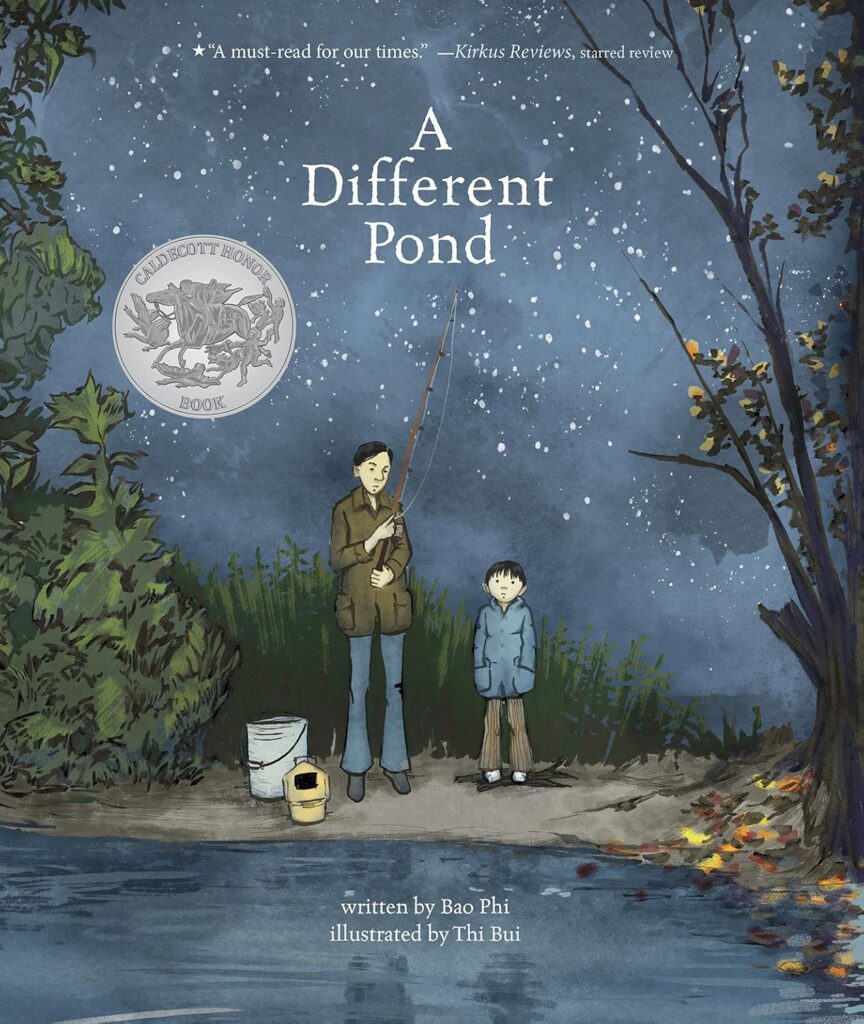

開始 0:32-
本文加工
(1) 日の出前の静かな出発(A Quiet Start Before Dawn) 0:33
Dad wakes me quietly / so (that) Mom can keep sleeping. *目的
It will be hours / before the sun comes up (昇る).
In the kitchen / the bare bulb /beər bʌlb/ (裸電球) is burning (明かりが灯っている).
Dad has been up / for a while (しばらくの間) , making sandwiches and packing the car (車に荷物を詰め込む).
“Can I help?” I ask. 「何か手伝えることはある?」
“Sure,” my dad whispers and hands me the tackle box /ˈtæk.əl ˌbɑːks/ (釣り道具箱) . *SVOO
The streetlights (街灯) look brighter and the roads aren’t so busy (それほど混雑していない) / before the sun comes up.
Dad turns on the heater and tells me stories (物語、昔話). *SVOO
A kid / at my school / said (that) / my dad’s English sounds like a thick, dirty river /θɪk ˈdɜː.ti ˈrɪv.ər/ (濁った汚い川) .
But to me / his English sounds like gentle rain (穏やかな雨、優しい雨).
(2) 土曜日の釣具店と父の秘密(The Bait Store and Dad’s Secret)1:25
We stop / at the bait store /beɪt stɔːr/ (釣具店、餌屋) / on Lake Street.
It always seems to be open.
“You’re here early today,” the bait man says.
“I got a second job (副業、2つ目の仕事) ,” my dad explains. “I have to work this morning.”
“On a Saturday /ˈsæt̬.ɚ.deɪ/ ?” the bait man asks. 「よりによって土曜なのに? 」
My dad nods.
I feel the bag / of minnows / move.
They swim / like silver arrows /ˈsɪl.vər ˈær.oʊz/ (銀色の矢) / in my hands.


(3) 境界線を越えて(Crossing the Boundary)2:01
It’s still dark / when we get to the pond.
We park the car and climb / over the divider (分離帯を乗り越える、ガードレールを跨ぐ) / between the road and the trees.


NO TRESPASSING
KEEP OUT*
My dad holds my hand and walks ahead / through the tangle and scrub /ˈtæŋ.ɡəl ænd skrʌb/ (もつれた草木と低木林、生い茂る藪) .
“Step / where I step,” he says. 「私が踏む場所を踏みなさい、お父さんの足跡をたどって歩きなさい 」
I am thinking / about what Dad told the bait man. “If you got another job, why do we still have to fish for food (食べるために魚を釣る) ?” I ask.
“Everything / in America / costs a lot of money (たくさんのお金がかかる) ,” he explains. I feel callouses /ˈkæl.ə.sɪz/ (たこ、まめ) / on his hand / when he squeezes /ˈskwiː.zɪz/ (強く握る) mine.
*途中にあった看板についての解説
- POSTED
- /ˈpoʊ.stɪd/ : POH-stid
- (土地について)警告・立入禁止などの掲示がされた : Marked with signs that warn people not to enter or trespass.
- 解説: アメリカの土地や私有地の看板で使われる
postedは、単に「掲示された」というだけでなく、その土地に立入禁止などの警告標識が掲示されていることを表します。POSTED / NO TRESPASSING / KEEP OUTと並ぶことで、ここから先への立ち入りを禁止していることが明確になります。 - 発音のコツ:
POHに強勢があります。postedは2音節で、語尾の-edは /ɪd/ と発音します。
- NO TRESPASSING
- /noʊ ˈtres.pæs.ɪŋ/ : NOH-TRES-pass-ing
- 立入禁止、不法侵入禁止 : Do not enter or remain on this property without permission.
- 解説:
trespassは、他人の土地や建物などに許可なく立ち入ることです。NO TRESPASSINGは私有地などで非常によく見られる警告表示で、「許可なく立ち入るな」という意味になります。 - 発音のコツ:
trespassingは最初のTRESに強勢があります。/sp/ の間に余計な母音を入れません。
- KEEP OUT
- /kiːp aʊt/ : KEEP-OUT
- 立入禁止、中に入るな : Do not enter this place or area.
- 解説: 人にその場所へ入らないよう命じる非常に直接的な表現です。
NO TRESPASSINGが無断立ち入りそのものを禁止する表現なのに対し、KEEP OUTは「ここから先に入るな」という簡潔な命令です。 - 発音のコツ:
keep/kiːp/ の /iː/ を伸ばし、out/aʊt/ へ続けます。
- POSTED NO TRESPASSING KEEP OUT
- 立入禁止・不法侵入禁止を示す警告表示
- 解説:
POSTED、NO TRESPASSING、KEEP OUTが重ねて書かれており、その先へ許可なく立ち入らないよう強く警告する看板です。本文では、父子が池へ向かう途中にこの看板が登場します。
(4) 暗闇に浮かぶ星と釣り人たち(Faint Stars and Fellow Fishermen) 2:41
Sometimes a Hmong man (モン族の男性) is / at the pond. He speaks English / like my dad and likes to tell funny jokes.
Sometimes there is a black man there, too. He shows me his colorful lure /lʊər/ collection (色鮮やかなルアー/疑似餌のコレクション) .
This time / it is just me and my dad.
It is a little bit cold. I rub my hands together (両手をこすり合わせる) , yawn /jɔːn/ (あくびをする) , and look up / to see faint /feɪnt/ stars / like freckles /ˈfrek.əlz/ (そばかすのようなかすかな星たち) .
(5) 火山の焚き火(Building a Volcano Fire) 3:17
As Dad sets up (準備をする) / in a clearing (森の中の開けた場所、空き地) , I gather small, thin (細い) twigs (小枝、細枝) / for a fire (焚き火) . They need to be dry and clean.
I count one, two, three, four, five, six, seven, eight, nine, ten, and then ten more (もう10本) / for later (あとで使うために) .
I put some rocks / in a circle (円形に) and set up the twigs (小枝を組んだ) . “Like a volcano /vɑːlˈkeɪ.noʊ/ (火山) ,” Dad reminds me.
I set one end / of each twig down, the other (end) up, leaning them in (それらを内側に立てかける) so they rest against (~に寄りかかる) each other and hold each other up (お互いを倒れないように保持する) .
I get it to light (火がつく) / with just one match. Dad nods.
(6) 小さな命への優しさ(Gentleness to a Tiny Life) 4:10
“You want to put a minnow /ˈmɪn.oʊ / (小魚) / on the hook (釣り針) ?” Dad asks. (釣り針に小魚をかける)
I want to help, but I shake my head no (いやだと首を振る) . I don’t want to hurt that little fish, even if I know (that) / it‘s about to be eaten / by a bigger one. (今にも食べられようとしている)
My dad smiles. He isn’t upset / with (~に腹を立てている) me.
(7) サンドイッチと遠い国の記憶(Sandwiches and Memories of Vietnam) 4:35
Dad hands me a sandwich, cold bologna /bəˈloʊ.ni/ (ボロニアソーセージ) / between two pieces / of bread (食パン2枚でシンプルに具材を挟んだ、気取らない手作りのサンドイッチを表す定番の表現) .

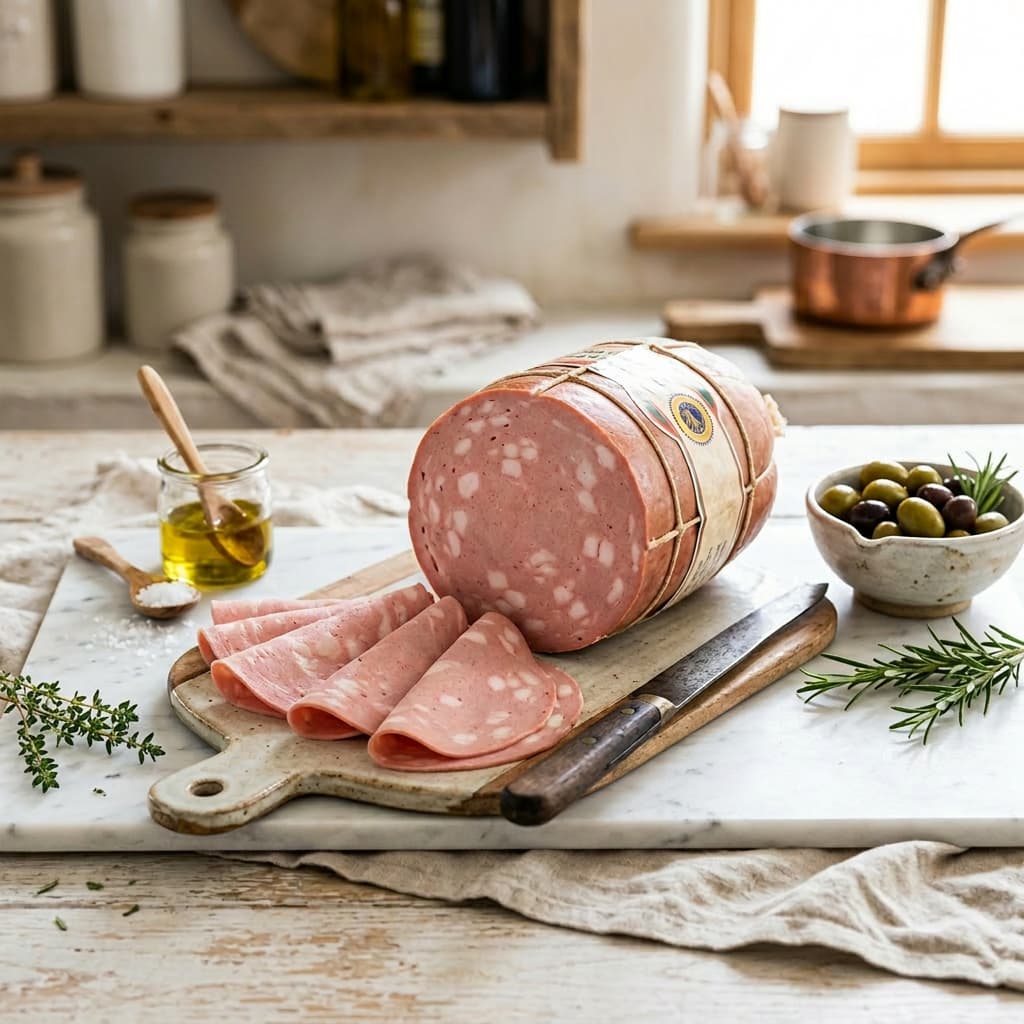
“(Be) Careful of the spicy stuff /stʌf/ (辛い具材) ,” he says.
There’s half a peppercorn /ˈpep.ə.kɔːn/ (コショウの粒) , like a moon / split in two (2つに割れる) , studded /ˈstʌd.ɪd/ (散りばめられた) / into the meat.
“I used to fish / by (~のそばで) a pond / like this one / when I was a boy / in Vietnam,” Dad says, biting / into (〜にかぶりつく) his sandwich.
“With your brother?” I ask. He nods, then looks away (視線をそらす).
Dad tells me / about the war, but only sometimes. He and his brother fought side by side (横に並んで) . One day, his brother didn’t come home.
(8) ぬるぬるした手応えと父の笑い声(A Crappie and Dad’s Laughter) 5:19
The bobber dips /ˈbɑː.bɚ dɪps/ (ウキが沈む) / in the dark and Dad pulls. “Got one!” he says, almost shouting.

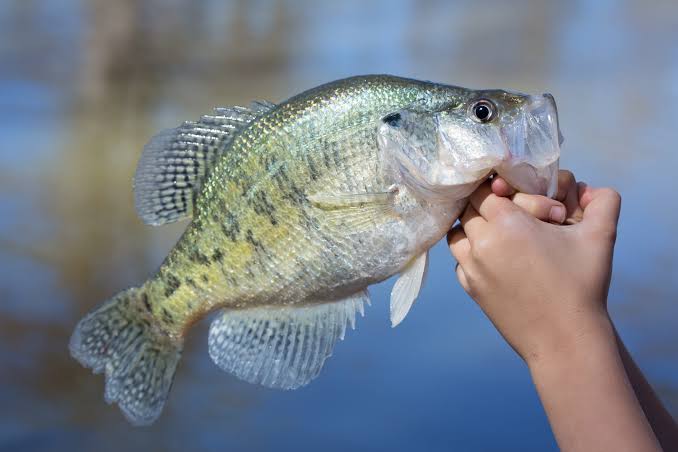
A crappie /ˈkræp.i/ ! *北米原産の淡水魚の一種
And soon another. “Can I help?” I ask.
He nods and I use two hands / to help guide the fish / into the bucket. The fish feels slimy /ˈslaɪ.mi/ (ぬるぬるしている) and rough (ザラザラしている) / at the same time. Dad laughs / at the funny face / (which) I make.
(9) 小さな石鹸と遥か彼方の池(Green Soap and Faraway Ponds)5:49
Dad smiles, his teeth broken (欠けている) and white / in the dark, because we have a few fish and he knows (that) / we will eat tonight.
Time / to go home (家に帰る時間だ) . Dad must get ready / for (~の準備をする) work. He washes his hands / with a small nub (小さな塊) / of green and white soap. Then I do the same.
I look / at the trees / as we walk back / to the car. I wonder what the trees look like / at that other pond, in the country / (which) my dad comes from.
(10) 誇らしきお手伝い(Proud to Help Catch Dinner) 6:21
By the time we get home, the sunlight / coming through the windows / is just a faint tint (かすかな色合い、うっすらとした色) , blue and gray instead of (~の代わりに) gold.
At home / Mom looks tired, but she smiles / at the fish / in the big white bucket.
My dad changes his clothes (服を着替える) and gets ready / to (~する準備をする) go to work.
He pats me / on the back (背中をポンポンと叩く) and says to Mom, “Our boy did a good job / with (~をうまくやる) the fire today.”
“You learn so quickly! (覚えが本当に早い) ” Mom says. Then she asks me to help / with the fish / before she has to go to work, too.
I’m sad that / she and Dad must leave, but not too sad. I know that / later on (あとになって) they will both come home.
“Look after (~の世話をして) your baby brother (幼い弟) ,” Mom reminds my brothers and sisters. She means me. Then she gets / on her bike and goes / to work.
I am not a baby, I think to myself (心の中で思う、密かに考える) . I helped catch dinner.
(11) 魚醤の香りと満たされた夢(The Scent of Fish Sauce and Sweet Dreams) 7:29
※ここから未来の情景を想像。だから will を使用している。
Tonight, when we are all home, Dad will put rice / in the cooker /ˈkʊk.ər/ (炊飯器) , and Mom will fry the fish / on both sides (魚の両面を油で揚げるように焼く) / until they (the fish) are crispy /ˈkrɪs.pi/ (カリカリになるまで). I will bring out (持ち出す) the jar / of (~が入った瓶) fish sauce /fɪʃ sɔːs/ (ニョクマム、魚醤) / that has flecks /fleks/ (小片) / of chili pepper (唐辛子) and carrots / floating / on top (液体の表面に浮かんでいる) .
At the table, my brothers and sisters will tell funny stories. Mom will ask / about their homework. Dad will nod and smile and eat / with his eyes half closed.
“Good fish,” he will say / to me.
And I will smile and nod, and later, when we sleep, we will dream of (~の夢を見る) fish / in faraway ponds /ˌfɑːr.əˈweɪ pɑːndz/ (遥か彼方の池、遠い国にある池 ) .
英単語・英語表現
(1) 日の出前の静かな出発(A Quiet Start Before Dawn) 0:33
- bare bulb
- /ˌber ˈbʌlb/ : BAIR-BULB
- 裸電球、覆いのない電球 : A light bulb hanging or fixed without a lampshade or other covering.
- 解説:
bareは「覆われていない、むき出しの」、bulbは「電球」です。本文のthe bare bulb is burningは、まだ日の出前の暗い台所で、覆いのない電球だけが灯っている様子を描いています。burnはここでは「燃える」ではなく、明かりが「灯っている」という意味です。 - 発音のコツ:
bare/ber/ はアメリカ英語では最後の /r/ まで発音します。bulb/bʌlb/ は最後の /lb/ に母音を入れず、一息で発音します。
- is burning
- /ɪz ˈbɝː.nɪŋ/ : iz BUR-ning
- (明かりが)灯っている、点いている : Is giving off light; is lit.
- 解説:
burnは火が「燃える」だけでなく、ランプや電球などが「灯っている」という意味でも使われます。本文のthe bare bulb is burningは「裸電球が灯っている」という意味で、電球そのものが燃えているわけではありません。 - 発音のコツ: アメリカ英語の
burningは /ˈbɝː.nɪŋ/。最初のBURに強勢を置き、/r/ をしっかり響かせます。
- for a while
- /fɚ ə waɪl/ : fər-ə-WYLE
- しばらくの間 : For a period of time.
- 解説:
for a whileは「しばらくの間」を意味する非常に一般的な表現です。本文のDad has been up for a whileは現在完了のhas been upと組み合わさり、「お父さんはしばらく前から起きている」という意味になります。今起きたのではなく、すでにある程度の時間起きていたことを表しています。 - 発音のコツ:
forは通常弱く /fɚ/、aも /ə/ となり、for aは /fɚə/ と一続きになりやすいです。while/waɪl/ をはっきり発音します。
- pack the car
- /pæk ðə kɑːr/ : PAK-thə-KAR
- 車に荷物を積み込む : To put things into a car in preparation for a trip.
- 解説:
packは「荷造りする」だけでなく、車などに必要な荷物を「積み込む」という意味でも使われます。本文のmaking sandwiches and packing the carでは、父親が出発前にサンドイッチを作りながら、釣りに必要なものを車に積み込んでいます。 - 発音のコツ:
pack/pæk/ の /æ/ は口を横に広げ気味に発音します。アメリカ英語のcar/kɑːr/ は最後の /r/ までしっかり発音します。
- tackle box
- /ˈtæk.əl ˌbɑːks/ : TAK-əl-BAHKS
- 釣り道具箱、タックルボックス : A box used for storing fishing equipment such as hooks, lines, and lures.
- 解説: 釣り針、ルアー、糸などの細かな釣り道具を収納する箱です。本文では父親が
hands me the tackle boxと、主人公に釣り道具箱を手渡しています。hand + 人 + 物は「人に物を手渡す」というSVOOの形です。 - 発音のコツ:
tackleは /ˈtæk.əl/ で最初のTAKに強勢があります。boxはアメリカ英語では /bɑːks/。
- aren’t so busy
- /ɑːrnt soʊ ˈbɪz.i/ : ARNT-soh-BIZ-ee
- それほど混雑していない : Are not very crowded or active.
- 解説: ここでの
busyは人が「忙しい」という意味ではなく、道路について「交通量が多い、混雑している」という意味です。The roads aren't so busy before the sun comes up.で「日の出前は道路もそれほど混雑していない」となります。 - 発音のコツ: アメリカ英語では
aren'tの /r/ を響かせます。busy/ˈbɪz.i/ はBIZに強勢を置きます。
- thick, dirty river
- /θɪk ˈdɝː.t̬i ˈrɪv.ɚ/ : THIK-DUR-dee-RIV-er
- 濃く濁った川、濁った汚い川 : A thick, dirty river.
- 解説: 本文の
my dad's English sounds like a thick, dirty riverは、学校の子どもが主人公の父親の英語を評した比喩表現です。父親の英語の響きを、流れが澄んでいない「濁った川」にたとえています。その直後に主人公はhis English sounds like gentle rainと感じており、同じ父親の英語に対する二つの見方が対比されています。 - 発音のコツ:
thick/θɪk/ は舌先を上下の前歯の間に軽く出して /θ/ を作ります。アメリカ英語のdirty/ˈdɝː.t̬i/ では /t/ がフラップになり、「ダーリー」に近く聞こえることがあります。
- gentle rain
- /ˈdʒen.t̬əl reɪn/ : JEN-dəl-RAYN
- 穏やかな雨、優しい雨 : Soft, light, and peaceful rain.
- 解説: 本文の
But to me his English sounds like gentle rain.で使われています。他の子どもには父親の英語がa thick, dirty riverのように聞こえても、主人公には「穏やかな雨」のように聞こえる、という美しい対比です。父親の英語そのものではなく、それを聞く人によって感じ方が異なることが表されています。 - 発音のコツ:
gentle/ˈdʒen.t̬əl/ は最初のJENに強勢があります。アメリカ英語では /t/ がフラップになりやすく、JEN-dəlに近く聞こえます。
(2) 土曜日の釣具店と父の秘密(The Bait Store and Dad’s Secret)1:25
- bait store
- /ˈbeɪt ˌstɔːr/ : BAYT-STOR
- 釣り餌を売る店、釣具店 : A store that sells bait and other supplies used for fishing.
- 解説:
baitは魚を釣るための「餌」です。bait storeは生き餌などを中心に釣り用品を売る店を指します。本文では父子が池へ向かう途中、Lake Street にある店に立ち寄って小魚を入手しています。 - 発音のコツ:
bait/beɪt/ の /eɪ/ を意識します。store/stɔːr/ はアメリカ英語なので最後の /r/ まで発音します。
- got a second job
- /ɡɑːt ə ˈsek.ənd dʒɑːb/ : GAHT-ə-SEK-ənd-JAHB
- 2つ目の仕事を得た、副業を始めた : Got another job in addition to one’s existing job.
- 解説:
get a second jobで「2つ目の仕事を得る、副業を始める」という意味です。本文のI got a second job.では、父親が新たに2つ目の仕事を始めたことを表しています。そのため土曜日の朝にも働かなければならないことが、この後のI have to work this morning.から分かります。 - 発音のコツ: アメリカ英語の
gotは /ɡɑːt/、jobは /dʒɑːb/。secondは第1音節 /sek/ に強勢があります。
- On a Saturday?
- /ɑːn ə ˈsæt̬.ɚ.deɪ/ : AHN-ə-SAD-er-day
- 土曜日なのに?、土曜日にまで? : On Saturday, of all days?
- 解説: 文法的には単に「土曜日に?」ですが、本文では父親が
I have to work this morning.と言ったことに対する驚きの聞き返しです。そのため日本語では「土曜日なのに?」「土曜日にまで働くの?」というニュアンスになります。 - 発音のコツ: アメリカ英語の
Saturday/ˈsæt̬.ɚ.deɪ/ では /t/ がフラップになり、「サダーデイ」に近く聞こえます。
- minnows
- /ˈmɪn.oʊz/ : MIN-ohz
- 小魚、釣り餌に使う小魚 : Small freshwater fish, especially small fish used as bait.
- 解説:
minnowは一般に小型の淡水魚を指し、釣りでは生き餌として使われることがあります。本文ではthe bag of minnowsとあり、袋の中で小魚が泳いでいます。主人公はその動きを手に感じています。 - 発音のコツ:
MINに強勢を置き、後半は /oʊ/。複数形なので最後は /z/ です。
- feel the bag of minnows move
- /fiːl ðə bæɡ əv ˈmɪn.oʊz muːv/ : FEEL-thə-BAG-əv-MIN-ohz-MOOV
- 小魚の入った袋が動くのを感じる : Feel the bag containing the minnows move.
- 解説:
I feel the bag of minnows move.は feel + O + 動詞の原形の形です。the bag of minnowsが目的語、moveがその目的語の動作を表しています。「私は小魚の袋が動くのを感じる」という構造です。知覚動詞feelの後では、このように目的語の後ろに原形不定詞を置くことができます。 - 発音のコツ:
feel/fiːl/ とmove/muːv/ の /iː/, /uː/ をそれぞれ伸ばします。ofは文中では弱く /əv/ となります。
- like silver arrows
- /laɪk ˈsɪl.vɚ ˈer.oʊz/ : LYKE-SIL-ver-AIR-ohz
- 銀色の矢のように : In a way that resembles silver arrows.
- 解説: 本文の
They swim like silver arrows in my hands.では、袋の中を素早く泳ぐ小魚を「銀色の矢」にたとえています。魚の細長い形だけでなく、光を反射する銀色の体と素早い動きまで感じさせる直喩です。 - 発音のコツ:
silver/ˈsɪl.vɚ/ はSIL、arrows/ˈer.oʊz/ はAIRに強勢があります。アメリカ英語ではarrowの最初は /er/ です。
(3) 境界線を越えて(Crossing the Boundary)2:01
- divider
- /dɪˈvaɪ.dɚ/ : di-VY-der
- 分離帯、道路などを区切るもの : A structure or barrier that separates two areas, especially parts of a road.
- 解説:
divide「分ける」から来た名詞で、道路や空間を分けるものを指します。本文のthe divider between the road and the treesは、道路と木々のある場所との間を隔てているものです。父子はそれをclimb overして池へ向かいます。 - 発音のコツ:
VY/vaɪ/ に強勢を置きます。アメリカ英語では最後の /r/ まで発音します。
- climb over
- /klaɪm ˈoʊ.vɚ/ : KLYME-OH-ver
- ~を乗り越える、よじ登って越える : To go over something by climbing.
- 解説:
climbは「登る」、overは「越えて」。本文のclimb over the dividerでは、道路と木々の間にある仕切りを越えて進む動作を表しています。単なるcrossよりも、障害物を実際に乗り越える身体的な動きがあります。 - 発音のコツ:
climb/klaɪm/ の b は発音しません。over/ˈoʊ.vɚ/ は最初のOHに強勢があります。
- tangle and scrub
- /ˈtæŋ.ɡəl ən skrʌb/ : TANG-gəl-ən-SKRUB
- もつれ合った草木と低木の茂み、生い茂った藪 : A tangled mass of vegetation and an area of low bushes or rough plant growth.
- 解説:
tangleは枝や植物などが「もつれ合ったもの」、scrubは低木や灌木が生えている荒れた土地・茂みを指します。本文のwalks ahead through the tangle and scrubは、父親が絡み合った草木や低木の藪をかき分けるように先へ進んでいく場面です。 - 発音のコツ:
tangle/ˈtæŋ.ɡəl/ はTANGに強勢があります。scrub/skrʌb/ は語頭の /skr/ に母音を入れず、一気に発音します。
- Step where I step
- /step wer aɪ step/ : STEP-wair-I-STEP
- 私が踏むところを踏みなさい、私と同じ場所を歩きなさい : Put your feet in the same places where I put mine.
- 解説: 父親が先を歩きながら主人公に言う言葉です。直訳は「私が踏むところを踏みなさい」。足場の悪い藪の中で、安全に進めるように「お父さんと同じところに足を置いてついてきなさい」という意味です。
- 発音のコツ: 2つの
stepをはっきり発音します。where/wer/ はアメリカ英語では /r/ まで響かせます。
- If you got another job
- /ɪf ju ɡɑːt əˈnʌð.ɚ dʒɑːb/ : if-yoo-GAHT-ə-NUTH-er-JAHB
- もしもう一つ仕事を始めたのなら : If you got an additional job.
- 解説:
gotは基本的にはgetの過去形です。直前の父親のI got a second job.「2つ目の仕事を始めた」を受けて、If you got another job「もう一つ仕事を始めたのなら」と言っています。なお、このgotは、have got「持っている、ある」のhaveが省略された口語表現とも考えられます。I've got a car.=I have a car.「私は車を持っている」のように、have gotはhaveとほぼ同じ意味で使われます。 - 発音のコツ:
gotはアメリカ英語では /ɡɑːt/。got anotherは自然な会話では滑らかにつながります。
- fish for food
- /fɪʃ fɚ fuːd/ : FISH-fər-FOOD
- 食べるために魚を釣る、食料を得るために釣りをする : To catch fish in order to have food to eat.
- 解説:
fishはここでは動詞で「魚を釣る」、for foodはその目的を表します。本文のwhy do we still have to fish for food?は、父親が2つ目の仕事を始めたと聞いた主人公が、「それなら、どうしてまだ食べるために魚を釣らなければならないの?」と尋ねている場面です。 - 発音のコツ:
forは弱く /fɚ/ となります。food/fuːd/ の /uː/ をしっかり伸ばします。
- costs a lot of money
- /kɔːsts ə ˈlɑːt əv ˈmʌn.i/ : KAWSTS-ə-LAHT-əv-MUN-ee
- たくさんのお金がかかる、高くつく : Requires a large amount of money to buy or pay for.
- 解説:
cost + 金額で「~の費用がかかる」。a lot of moneyは「たくさんのお金」です。本文のEverything in America costs a lot of money.は「アメリカでは何をするにもたくさんのお金がかかる」という父親の説明です。なぜ仕事を増やしても食料のために釣りを続けるのか、その理由を端的に語っています。 - 発音のコツ:
costs/kɔːsts/ の最後の /sts/ に余計な母音を入れません。a lot ofは会話では /ə ˈlɑːt əv/ と滑らかにつながります。
- callouses
- /ˈkæl.ə.sɪz/ : KAL-ə-siz
- たこ、皮膚が硬くなった部分 : Thick, hardened areas of skin caused by repeated pressure or friction.
- 解説: 手や足に繰り返し摩擦や圧力がかかることでできる、硬くなった皮膚です。本文では主人公が、父親に手を握られたときに
callouses on his handを感じます。父親が日々働いてきたことを、手の感触を通して伝える具体的な描写です。 - 発音のコツ: 最初の
KALに強勢があります。複数形の最後は /sɪz/ です。
- squeezes mine
- /ˈskwiː.zɪz maɪn/ : SKWEE-ziz-MYNE
- 私の手をぎゅっと握る : Presses my hand firmly.
- 解説:
squeezeは「ぎゅっと握る、強く押す」です。本文のwhen he squeezes mineのmineはmy handを指す所有代名詞で、「父が私の手をぎゅっと握るとき」という意味です。直前にhis handがあるため、同じhandを繰り返さずmineで表しています。 - 発音のコツ:
squeezes/ˈskwiː.zɪz/ は2音節で、最初のSKWEEに強勢があります。語頭の /skw/ を一続きで発音します。
途中の看板
- POSTED
- /ˈpoʊ.stɪd/ : POH-stid
- (土地について)警告・立入禁止などの掲示がされた : Marked with signs that warn people not to enter or trespass.
- 解説: アメリカの土地や私有地の看板で使われる
postedは、単に「掲示された」というだけでなく、その土地に立入禁止などの警告標識が掲示されていることを表します。POSTED / NO TRESPASSING / KEEP OUTと並ぶことで、ここから先への立ち入りを禁止していることが明確になります。 - 発音のコツ:
POHに強勢があります。postedは2音節で、語尾の-edは /ɪd/ と発音します。
- NO TRESPASSING
- /noʊ ˈtres.pæs.ɪŋ/ : NOH-TRES-pass-ing
- 立入禁止、不法侵入禁止 : Do not enter or remain on this property without permission.
- 解説:
trespassは、他人の土地や建物などに許可なく立ち入ることです。NO TRESPASSINGは私有地などで非常によく見られる警告表示で、「許可なく立ち入るな」という意味になります。 - 発音のコツ:
trespassingは最初のTRESに強勢があります。/sp/ の間に余計な母音を入れません。
- KEEP OUT
- /kiːp aʊt/ : KEEP-OUT
- 立入禁止、中に入るな : Do not enter this place or area.
- 解説: 人にその場所へ入らないよう命じる非常に直接的な表現です。
NO TRESPASSINGが無断立ち入りそのものを禁止する表現なのに対し、KEEP OUTは「ここから先に入るな」という簡潔な命令です。 - 発音のコツ:
keep/kiːp/ の /iː/ を伸ばし、out/aʊt/ へ続けます。
- POSTED NO TRESPASSING KEEP OUT
- 立入禁止・不法侵入禁止を示す警告表示
- 解説:
POSTED、NO TRESPASSING、KEEP OUTが重ねて書かれており、その先へ許可なく立ち入らないよう強く警告する看板です。本文では、父子が池へ向かう途中にこの看板が登場します。
(4) 暗闇に浮かぶ星と釣り人たち(Faint Stars and Fellow Fishermen) 2:41
- Hmong
- /mʌŋ/ : MUNG
- モン族、モン族の : A member of the Hmong people, or relating to their people, language, or culture.
- 解説: モン族は中国南部や東南アジアに歴史的なルーツを持つ民族です。本文の
a Hmong manは、池で時々出会うモン族の男性を指しています。He speaks English like my dadとあり、主人公はその男性の英語を父親の英語と重ねています。 - 発音のコツ: 英語では一般に /mʌŋ/ と発音し、最初の H は発音しません。1音節です。
- lure collection
- /ˈlʊr kəˌlek.ʃən/ : LOOR-kə-LEK-shən
- ルアーのコレクション、疑似餌のコレクション : A collection of artificial fishing baits used to attract fish.
- 解説:
lureは魚を引き寄せるために使う「ルアー、疑似餌」です。本文のhis colorful lure collectionは、池に来る黒人男性が持っている色鮮やかなルアーのコレクションを指しています。 - 発音のコツ: アメリカ英語の
lureは一般に /lʊr/。collectionはLEKに強勢を置きます。
- just me and my dad
- /dʒʌst miː ən maɪ dæd/ : JUST-MEE-ən-my-DAD
- 私と父だけ : Only my father and me; no one else is there.
- 解説:
justはここでは「ちょうど」ではなく only「~だけ」 の意味です。本文のThis time it is just me and my dad.は、普段は他の釣り人がいることもある池に、この日は主人公と父親しかいないことを表しています。 - 発音のコツ:
andは会話では弱く /ən/ になり、me and my dadは滑らかにつながります。
- rub my hands together
- /rʌb maɪ hændz təˈɡeð.ɚ/ : RUB-my-HANDZ-tə-GETH-er
- 両手をこすり合わせる : To move one’s hands back and forth against each other.
- 解説: 寒いときなどに、温めるため両手をこすり合わせる動作です。本文では
It is a little bit cold.に続いているため、主人公が寒さを感じて手をこすり合わせていることが分かります。 - 発音のコツ:
handsの最後は /dz/。together/təˈɡeð.ɚ/ はGETHに強勢があり、/ð/ は舌先を前歯の間に軽く出して発音します。
- yawn
- /jɔːn/ : YAWN
- あくびをする : To open the mouth wide and breathe in deeply, usually because one is tired or sleepy.
- 解説: 疲れたり眠かったりするときに「あくびをする」という動詞です。まだ夜が明ける前の早朝なので、主人公が寒さの中で手をこすりながら、あくびをしている様子が描かれています。
- 発音のコツ: /j/ から /ɔː/ へ滑らかにつなげ、最後の /n/ まで発音します。
- faint stars
- /feɪnt stɑːrz/ : FAYNT-STARZ
- かすかな星、ぼんやり見える星 : Stars that are dim and difficult to see clearly.
- 解説:
faintは光について「弱い、かすかな、ぼんやりした」という意味です。本文では、日の出前の空を見上げた主人公に、星々がかすかに見えています。 - 発音のコツ:
faint/feɪnt/ の /eɪ/ を意識します。stars/stɑːrz/ はアメリカ英語なので /r/ をしっかり響かせます。
- like freckles
- /laɪk ˈfrek.əlz/ : LYKE-FREK-əlz
- そばかすのように : In a way that resembles small freckles on the skin.
- 解説:
frecklesは顔や肌にできる小さな「そばかす」です。本文のfaint stars like frecklesは、暗い空に点々と浮かぶかすかな星を、肌に散らばるそばかすにたとえた直喩です。 - 発音のコツ:
freckles/ˈfrek.əlz/ は最初のFREKに強勢があります。最後の複数形は /z/ です。
(5) 火山の焚き火(Building a Volcano Fire) 3:17
- sets up in a clearing
- /sets ʌp ɪn ə ˈklɪr.ɪŋ/ : SETS-up-in-ə-KLEER-ing
- 森の中の開けた場所で準備をする : Gets things ready in an open area among the trees.
- 解説: set up は「準備をする、必要なものを整える」という意味です。
As Dad sets up in a clearing, ...で「お父さんが森の中の開けた場所で準備をしている間に」。clearing は、森や林の中で木がなく、ぽっかりと開けた場所を指します。原文では、Dadが具体的に何を準備しているかまでは述べられていません。 - 発音のコツ: sets up は /setsʌp/ とつなげます。clearing は /ˈklɪr.ɪŋ/ で第1音節に強勢を置き、/r/ をしっかり響かせます。
- gather small, thin twigs
- /ˈɡæð.ɚ smɔːl θɪn twɪɡz/ : GATH-er-SMAWL-THIN-TWIGZ
- 小さくて細い小枝を集める : Collect small, thin twigs.
- 解説:
I gather small, thin twigs for a fire.で「僕は焚き火のために、小さくて細い小枝を集める」。twig は branch よりも細い「小枝」です。続くThey need to be dry and clean.から、火を起こすために乾いていてきれいな小枝が必要だと分かります。 - 発音のコツ: gather の /ð/ は舌先を上下の前歯の間に軽く出して声を出します。thin の /θ/ は同じ位置から声を出さずに息だけを出します。twigs /twɪɡz/ は1音節です。
- ten more for later
- /ten mɔːr fɚ ˈleɪ.t̬ɚ/ : TEN-MORE-fer-LAY-der
- あとで使うために、さらに10本 : Ten additional ones to use later.
- 解説:
I count one, two, three, four, five, six, seven, eight, nine, ten, and then ten more for later.の ten more は「さらに10本」。何を10本かは直前の twigs から明らかなため省略されています。for later は「あとで使うために」です。 - 発音のコツ: for は弱く /fɚ/ になりやすく、later /ˈleɪ.t̬ɚ/ の /t/ はアメリカ英語ではフラップになり、「レイダー」に近く聞こえます。
- put some rocks in a circle
- /pʊt sʌm rɑːks ɪn ə ˈsɝː.kəl/ : PUT-səm-RAHKS-in-ə-SUR-kəl
- 石を円形に並べる : Arrange some rocks so that they form a circle.
- 解説:
I put some rocks in a circle.で「僕はいくつかの石を円形に並べる」。in a circle はここでは「円を描くように、円形に」という配置を表しています。 - 発音のコツ: some は弱く /səm/ になりやすく、in a も /ɪnə/ とつながります。circle /ˈsɝː.kəl/ は第1音節に強勢があります。
- set up the twigs
- /set ʌp ðə twɪɡz/ : SET-up-thə-TWIGZ
- 小枝を組む、小枝を配置する : Arrange the twigs in the required position.
- 解説:
set up the twigsでは set up が他動詞として使われ、「小枝を組む、配置する」という意味です。続くLike a volcanoや小枝を内側へ傾ける描写から、火山のような形になるように小枝を組んでいます。 - 発音のコツ: set up は /setʌp/ とつなげます。twigs /twɪɡz/ は語頭の /tw/、語尾の /ɡz/ に余計な母音を入れないようにします。
- Like a volcano
- /laɪk ə vɑːlˈkeɪ.noʊ/ : LIKE-ə-vahl-KAY-noh
- 火山のように : In a shape resembling a volcano.
- 解説:
"Like a volcano," Dad reminds me.で、お父さんが小枝の組み方を「火山みたいに」と主人公に思い出させています。続く文では、小枝の一端を下に、もう一端を上にして内側へ傾けているため、全体が火山のような形になります。 - 発音のコツ: volcano は /vɑːlˈkeɪ.noʊ/ で、第2音節 /keɪ/ に強勢があります。
- set one end of each twig down, the other up
- /set wʌn end əv iːtʃ twɪɡ daʊn ði ˈʌð.ɚ ʌp/ : SET-wun-END-əv-EECH-TWIG-DOWN-thee-UTH-er-UP
- それぞれの小枝の一端を下にし、もう一端を上にする : Position one end of each twig downward and the other end upward.
- 解説:
I set one end of each twig down, the other upで「それぞれの小枝の一端を下に、もう一端を上にする」。the other up では繰り返しが省略されており、the other end upと考えると分かりやすいです。 - 発音のコツ: one end は /wʌnend/ とつながります。each twig は /iːtʃ twɪɡ/ で、/tʃ/ と /tw/ の間に母音を入れません。
- leaning them in
- /ˈliː.nɪŋ ðem ɪn/ : LEE-ning-them-IN
- それらを内側へ傾けて : Tilting them inward toward the center.
- 解説: them は直前の twigs を指します。
leaning them inは、小枝をどのように配置するのかを付け加えて説明しており、「それらを内側へ傾けて」という意味です。 - 発音のコツ: leaning /ˈliː.nɪŋ/ は第1音節に強勢があります。them in は /ðemɪn/ と滑らかにつなげます。
- rest against each other
- /rest əˈɡenst iːtʃ ˈʌð.ɚ/ : REST-ə-GENST-EECH-UTH-er
- 互いに寄りかかる、互いにもたれ合う : Lean against and be supported by one another.
- 解説: rest against ~ は「~に寄りかかる、~にもたれて支えられる」。
so they rest against each otherでは、内側へ傾けた小枝同士が互いに寄りかかっている状態を表しています。 - 発音のコツ: rest against は /restəˈɡenst/ とつなげます。each other も /iːtʃʌðɚ/ と一まとまりで発音します。
- hold each other up
- /hoʊld iːtʃ ˈʌð.ɚ ʌp/ : HOHLD-EECH-UTH-er-UP
- お互いを支え合う、互いを倒れないように支える : Support one another so that they remain upright.
- 解説: hold ~ up には「~を支える、倒れないようにする」という意味があります。
hold each other upで「互いに支え合う」。小枝同士が寄りかかることで、組んだ形を保っていることを表しています。 - 発音のコツ: hold /hoʊld/ は最後の /ld/ まで発音します。each other up は /iːtʃʌðɚʌp/ と滑らかにつなげます。
- get it to light
- /ɡet ɪt tə laɪt/ : GET-it-tə-LYTE
- うまく火をつける、火がつくようにする : Manage to make it catch fire.
- 解説:
I get it to light with just one match.で「マッチ1本だけでうまく火をつける」。get + O + to + 動詞の原形は「Oが~するようにする」。ここでの light は自動詞で「火がつく、燃え始める」という意味です。 - 発音のコツ: get it は自然な会話では滑らかにつながります。to は弱形 /tə/。light /laɪt/ の gh は発音しません。
(6) 小さな命への優しさ(Gentleness to a Tiny Life) 4:10
- put a minnow on the hook
- /pʊt ə ˈmɪn.oʊ ɑːn ðə hʊk/ : PUT-ə-MIN-oh-ahn-thə-HOOK
- 釣り針に小魚をつける、小魚を釣り針にかける : Put a small fish on a fishing hook to use as bait.
- 解説: put A on B で「AをBにつける、載せる」。ここでは minnow「小魚」を餌として hook「釣り針」につけることを指しています。原文では具体的なつけ方までは説明されていません。
- 発音のコツ: put a は /pʊtə/ とつなげます。minnow /ˈmɪn.oʊ/ は第1音節に強勢があります。hook /hʊk/ の母音は food /fuːd/ より短い /ʊ/ です。
- shake my head no
- /ʃeɪk maɪ hed noʊ/ : SHAYK-my-HED-NOH
- いやだと首を横に振る、首を振って拒否する : Shake one’s head from side to side to indicate no.
- 解説: shake one’s head は「首を横に振る」。
I shake my head no.では no を加えることで、その動作が「嫌だ、しない」という意思表示であることを明確にしています。 - 発音のコツ: shake /ʃeɪk/ の /eɪ/ を明瞭に発音します。head no は /hed noʊ/ と自然につなげます。
- hurt that little fish
- /hɝːt ðæt ˈlɪt̬.əl fɪʃ/ : HURT-that-LID-əl-FISH
- その小さな魚を傷つける、その小魚に痛い思いをさせる : Cause pain or injury to that small fish.
- 解説: hurt は「傷つける」のほか、「痛い思いをさせる」という意味でも使われます。
I don't want to hurt that little fishでは、小魚を針につけて傷つけることを主人公が嫌がっています。 - 発音のコツ: hurt /hɝːt/ は /r/ を響かせます。little /ˈlɪt̬.əl/ の /t/ はアメリカ英語ではフラップになり、「リドル」に近く聞こえます。
- even if
- /ˈiː.vən ɪf/ : EE-vən-if
- たとえ~だとしても、~であっても : Even though a particular fact or possibility is true.
- 解説: even if + 文で「たとえ~だとしても」という譲歩を表します。
even if I know it's about to be eaten by a bigger oneで「もっと大きな魚に今にも食べられると分かっていたとしても」。それでも自分では小魚を傷つけたくない、という主人公の気持ちにつながっています。 - 発音のコツ: even /ˈiː.vən/ は第1音節に強勢があります。even if は /ˈiːvənɪf/ とつなげます。
- be about to be eaten
- /bi əˈbaʊt tə bi ˈiː.tən/ : bee-ə-BOUT-tə-bee-EE-tən
- 今にも食べられようとしている、まさに食べられるところだ : Be going to be eaten very soon.
- 解説: be about to + 動詞の原形で「まさに~しようとしている、今にも~するところだ」。ここでは受動態 be eaten と組み合わさり、
it's about to be eaten by a bigger oneで「それは今にももっと大きな魚に食べられようとしている」という意味です。one はここでは fish を指します。 - 発音のコツ: about は第2音節 /baʊt/ に強勢があります。to は弱く /tə/。eaten /ˈiː.tən/ は第1音節に強勢があります。
- be upset with
- /bi ʌpˈset wɪð/ : bee-up-SET-with
- ~に腹を立てている、~に対して不機嫌である : Be angry, annoyed, or unhappy with someone.
- 解説:
He isn't upset with me.で「お父さんは僕に腹を立てていない」。主人公が小魚を針につけることを断っても、Dadは怒らずに笑っています。 - 発音のコツ: upset は第2音節 /set/ に強勢があります。with me は /wɪð miː/ とつなげます。
(7) サンドイッチと遠い国の記憶(Sandwiches and Memories of Vietnam) 4:35
- cold bologna
- /koʊld bəˈloʊ.ni/ : KOHLD-bə-LOH-nee
- 冷たいボロニアソーセージ : Bologna sausage served cold.
- 解説: bologna はアメリカで一般的な加工肉で、薄くスライスしてサンドイッチなどに使われます。
cold bologna between two pieces of breadで、2枚のパンの間に冷たいボロニアソーセージが挟まれている様子を表しています。 - 発音のコツ: bologna は綴りと発音が大きく異なり、アメリカ英語では /bəˈloʊ.ni/。第2音節 /loʊ/ に強勢があります。
- between two pieces of bread
- /bɪˈtwiːn tuː ˈpiː.sɪz əv bred/ : bi-TWEEN-TOO-PEE-siz-əv-BRED
- 2枚のパンの間に : Between two pieces of bread.
- 解説: between A and B は「AとBの間に」ですが、
between two pieces of breadのように複数のものをひとまとまりとして示すこともできます。ここでは cold bologna が2枚のパンの間に挟まれています。 - 発音のコツ: between は第2音節 /twiːn/ に強勢があります。pieces of は /ˈpiːsɪzəv/ とつなげます。
- Careful of
- /ˈker.fəl əv/ : KAIR-fəl-əv
- ~に気をつけて : Be careful of something.
- 解説:
"Careful of the spicy stuff," he says.では、命令文の Be が省略された口語表現です。完全な形ならBe careful of the spicy stuff.となります。be careful of ~ で「~に気をつける」です。 - 発音のコツ: careful /ˈker.fəl/ は第1音節に強勢があります。of は弱形 /əv/ になり、careful of を続けて発音します。
- spicy stuff
- /ˈspaɪ.si stʌf/ : SPY-see-STUFF
- 辛いもの、辛い部分 : Spicy ingredients or material.
- 解説: stuff は「もの」を広く表す口語的な不可算名詞です。ここではサンドイッチの中の spicy「辛い」ものをまとめて指しています。直後には peppercorn が描写されています。
- 発音のコツ: spicy /ˈspaɪ.si/ は第1音節に強勢があります。stuff /stʌf/ の /ʌ/ は短く発音します。
- half a peppercorn
- /hæf ə ˈpep.ɚ.kɔːrn/ : HAF-ə-PEP-er-korn
- 半分の粒コショウ、半分になった粒コショウ : Half of a peppercorn.
- 解説: peppercorn は、粉にする前の粒状のコショウです。
There's half a peppercorn, like a moon split in two, studded into the meat.では、肉の中に見える半分の peppercorn を描写しています。 - 発音のコツ: half a は /hæfə/ とつなげます。peppercorn /ˈpep.ɚ.kɔːrn/ は第1音節に強勢があります。
- like a moon split in two
- /laɪk ə muːn splɪt ɪn tuː/ : LIKE-ə-MOON-SPLIT-in-TOO
- 2つに割れた月のような : Like a moon that has been split into two parts.
- 解説: half a peppercorn の見た目を「2つに割れた月」にたとえた表現です。split in two は「2つに割る、2つに分ける」。ここでは過去分詞 split が moon を後ろから修飾し、「2つに割れた月」という意味になっています。
- 発音のコツ: like a は /laɪkə/ とつなげます。split /splɪt/ は語頭の /spl/ に母音を入れないようにします。
- studded into the meat
- /ˈstʌd.ɪd ˈɪn.tuː ðə miːt/ : STUD-id-IN-too-thə-MEET
- 肉の中に埋め込まれている、肉の中に点のように入っている : Set or embedded into the meat.
- 解説: stud は「~に小さなものを点々とつける、ちりばめる」という動詞です。ここでは
half a peppercorn ... studded into the meatで、半分の粒コショウが肉の中に埋め込まれている様子を表しています。 - 発音のコツ: studded /ˈstʌd.ɪd/ は2音節で、第1音節に強勢があります。into /ˈɪn.tuː/ へ滑らかにつなげます。
- used to fish
- /juːst tə fɪʃ/ : YOOST-tə-FISH
- 昔はよく釣りをしていた、かつて釣りをしていた : Regularly fished in the past.
- 解説: used to + 動詞の原形で「以前は~していた、昔はよく~した」という過去の習慣を表します。
I used to fish by a pond like this one when I was a boy in Vietnam.で「ベトナムで少年だったころ、こんな池のそばでよく釣りをしていた」という意味です。 - 発音のコツ: used to は /juːst tə/ と発音されるのが一般的です。to は弱形 /tə/ になります。
- by a pond like this one
- /baɪ ə pɑːnd laɪk ðɪs wʌn/ : BY-ə-PAHND-LIKE-this-WUN
- こんな池のそばで、この池のような池のほとりで : Beside a pond similar to this one.
- 解説: by はここでは「~のそばで」。like this one は「これと似たもの、このようなもの」で、one は pond の繰り返しを避ける代名詞です。
a pond like this oneで「この池のような池」となります。 - 発音のコツ: by a は /baɪə/ とつなげます。pond /pɑːnd/ の最後の /nd/ まで発音します。
- biting into
- /ˈbaɪ.tɪŋ ˈɪn.tuː/ : BY-ting-IN-too
- ~にかぶりつきながら、~に歯を立てながら : Biting firmly into something.
- 解説: bite into ~ で「~にかぶりつく、~に歯を立てる」。
Dad says, biting into his sandwich.の biting into his sandwich は、Dadが話すのと同時に行っている動作を付け加える分詞構文です。 - 発音のコツ: biting /ˈbaɪ.tɪŋ/ は第1音節に強勢があります。into /ˈɪn.tuː/ へ滑らかにつなげます。
- looks away
- /lʊks əˈweɪ/ : LOOKS-ə-WAY
- 視線をそらす、別の方向を見る : Turns one’s eyes or gaze away.
- 解説: look away は「視線をそらす」。
He nods, then looks away.では、兄弟について聞かれたDadがうなずいたあと、視線をそらしています。そのときの具体的な感情や理由までは原文では明示されていません。 - 発音のコツ: looks away は /lʊksəˈweɪ/ とつなげます。away は第2音節 /weɪ/ に強勢があります。
- fought side by side
- /fɔːt saɪd baɪ saɪd/ : FAWT-SYDE-by-SYDE
- 肩を並べて戦った、一緒に戦った : Fought together alongside each other.
- 解説: side by side は「横に並んで」のほか、「一緒に、肩を並べて」という意味でも使われます。
He and his brother fought side by side.では、Dadとその兄弟が戦争でともに戦ったことを表しています。 - 発音のコツ: fought /fɔːt/ は1音節です。side by side は /saɪd baɪ saɪd/ と一定のリズムで発音します。
- didn’t come home
- /ˈdɪd.ənt kʌm hoʊm/ : DID-ənt-CUM-HOHM
- 家に帰ってこなかった : Did not return home.
- 解説:
One day, his brother didn't come home.で「ある日、彼の兄弟は家に帰ってこなかった」。直前に戦争で兄弟と一緒に戦ったことが語られているため、重大な喪失を示唆する一文ですが、原文では具体的に「戦死した」「行方不明になった」とは述べていません。 - 発音のコツ: didn’t /ˈdɪd.ənt/ は2音節です。come home /kʌm hoʊm/ と滑らかにつなげます。
(8) ぬるぬるした手応えと父の笑い声(A Crappie and Dad’s Laughter) 5:19
- bobber dips
- /ˈbɑː.bɚ dɪps/ : BAH-ber-DIPS
- ウキが沈む、釣りのウキが水中へ沈む : The fishing float moves downward into the water.
- 解説: bobber は釣り糸につける「ウキ」。dip はここでは「少し沈む、下がる」という動詞です。
The bobber dips in the dark and Dad pulls.で、暗闇の中でウキが沈み、それを見てDadが引く場面です。 - 発音のコツ: bobber /ˈbɑː.bɚ/ は第1音節に強勢があります。dips /dɪps/ の最後は /ps/ で、余計な母音を入れません。
- Got one!
- /ɡɑːt wʌn/ : GAHT-WUN
- 釣れた!、一匹かかった! : I caught one! / I’ve got one!
- 解説: 釣りの場面で魚がかかったときの短い口語表現です。one は「一匹の魚」を指しています。Dadがウキの動きを見て引いた直後に
"Got one!"と言っています。 - 発音のコツ: Got one は /ɡɑːt wʌn/ と区切りすぎず、一まとまりで発音します。
- almost shouting
- /ˈɔːl.moʊst ˈʃaʊ.tɪŋ/ : AWL-mohst-SHOUT-ing
- ほとんど叫ぶように、叫ばんばかりに : Speaking in a voice that is nearly a shout.
- 解説:
"Got one!" he says, almost shouting.で「『釣れた!』と、ほとんど叫ぶようにDadが言う」。almost は「ほとんど~、もう少しで~」で、実際に shouting していると断定するのではなく、それに近い大きな声だったことを表しています。 - 発音のコツ: almost /ˈɔːl.moʊst/ は第1音節に強勢があります。shouting /ˈʃaʊ.tɪŋ/ の /aʊ/ を明瞭に発音します。
- crappie
- /ˈkræp.i/ : KRAP-ee
- クラッピー、北米に生息する淡水魚の一種 : A North American freshwater fish of the sunfish family.
- 解説: crappie は北米の湖や池などに生息する淡水魚です。本文ではDadが釣り上げた魚を指して
A crappie!と表現されています。 - 発音のコツ: crappie は /ˈkræp.i/ の2音節で、第1音節に強勢があります。
- guide the fish into the bucket
- /ɡaɪd ðə fɪʃ ˈɪn.tuː ðə ˈbʌk.ɪt/ : GYDE-thə-FISH-IN-too-thə-BUCK-it
- 魚をバケツの中へ導く、魚をバケツに入れるのを手伝う : Direct or move the fish into the bucket.
- 解説: guide A into B で「AをBの中へ導く」。
I use two hands to help guide the fish into the bucket.では、主人公が両手を使って、釣った魚をバケツの中へ入れるのを手伝っています。 - 発音のコツ: guide /ɡaɪd/ は1音節です。bucket /ˈbʌk.ɪt/ は第1音節に強勢があります。
- slimy and rough at the same time
- /ˈslaɪ.mi ən rʌf æt ðə seɪm taɪm/ : SLY-mee-ən-RUFF-at-thə-SAYM-TYME
- ぬるぬるしていると同時にザラザラしている : Feeling both slimy and rough at the same time.
- 解説:
The fish feels slimy and rough at the same time.で「その魚は、ぬるぬるしていると同時にザラザラした感触がする」。feel + 形容詞は「触ると~の感じがする」という意味です。at the same time は「同時に」。 - 発音のコツ: slimy /ˈslaɪ.mi/ は第1音節に強勢があります。and は自然な会話では /ən/ に弱化しやすいです。rough /rʌf/ の gh は発音しません。
- laugh at the funny face I make
- /læf æt ðə ˈfʌn.i feɪs aɪ meɪk/ : LAF-at-thə-FUN-ee-FAYS-I-MAYK
- 僕がするおかしな顔を見て笑う : Laugh because of the funny facial expression I make.
- 解説: laugh at ~ は「~を見て笑う、~をおかしく思って笑う」。
the funny face I makeでは I make が the funny face を後ろから修飾しており、the funny face (that) I makeと考えられます。Dad laughs at the funny face I make.で「Dadは僕がするおかしな顔を見て笑う」という意味です。 - 発音のコツ: laugh /læf/ の gh は /f/ です。face I は /feɪsaɪ/ とつなげます。make /meɪk/ の /eɪ/ を明瞭に発音します。
(9) 小さな石鹸と遥か彼方の池(Green Soap and Faraway Ponds) 5:49
- his teeth broken and white
- /hɪz tiːθ ˈbroʊ.kən ən waɪt/ : hiz-TEETH-BROH-kən-ən-WHITE
- 歯が欠けていて白い : His teeth are chipped or damaged and white.
- 解説:
Dad smiles, his teeth broken and white in the darkのhis teeth broken and whiteは、Dadが笑ったときに見える歯の状態を付け加えて描写しています。his teeth + broken and whiteという形で、「歯が欠けていて白い状態で」という付帯状況を表しています。broken はここでは「完全に壊れた」というより、歯が「欠けている、傷んでいる」という意味です。 - 発音のコツ: teeth /tiːθ/ の最後の /θ/ は舌先を前歯の間に軽く出して息を通します。自然な発話では and は /ən/ に弱化しやすいです。
- we will eat tonight
- /wi wəl iːt təˈnaɪt/ : wee-wəl-EET-tə-NYTE
- 今夜は食べるものがある、今夜は食事ができる : We will have food to eat tonight.
- 解説:
because we have a few fish and he knows (that) we will eat tonightで、「魚が何匹か釣れたので、Dadは今夜食べるものがあると分かっている」という意味です。単に「今夜食事をする」という予定ではなく、直前のwe have a few fishと結びついて、釣った魚が家族の食事になることを表しています。 - 発音のコツ: will は強く発音しない場合 /wəl/ に弱化しやすく、we will は /wi wəl/ のようになります。tonight は第2音節 /naɪt/ に強勢があります。
- Time to go home
- /taɪm tə ɡoʊ hoʊm/ : TIME-tə-GOH-HOHM
- 家に帰る時間だ : It is time to go home.
- 解説:
Time to go home.はIt's time to go home.のIt'sが省略された簡潔な表現です。Time to + 動詞の原形で「~する時間だ」。Time to eat.「食べる時間だ」、Time to leave.「出発する時間だ」のようにも使われます。 - 発音のコツ: to は通常 /tə/ に弱化します。go /ɡoʊ/ と home /hoʊm/ の /oʊ/ をそれぞれ二重母音として発音します。
- get ready for work
- /ɡet ˈred.i fər wɝːk/ : get-RED-ee-fər-WURK
- 仕事に行く準備をする : Prepare to go to work.
- 解説:
get ready for ~で「~の準備をする」という基本表現です。Dad must get ready for work.で「Dadは仕事に行く準備をしなければならない」。早朝の釣りを終えたあと、Dadは家に帰って仕事へ向かう準備をします。 - 発音のコツ: ready /ˈred.i/ は第1音節に強勢があります。for は弱形 /fər/ になりやすく、work /wɝːk/ は r をしっかり響かせます。
- a small nub of green and white soap
- /ə smɔːl nʌb əv ɡriːn ən waɪt soʊp/ : ə-SMAWL-NUB-əv-GREEN-ən-WHITE-SOHP
- 緑と白の小さな石鹸のかけら : A small remaining piece of green and white soap.
- 解説: nub は「小さな塊、残った短い部分」を表します。
a small nub of green and white soapで「小さくなった緑と白の石鹸のかけら」。本文では、Dadがそれを使って釣りのあとの手を洗っています。 - 発音のコツ: nub /nʌb/ は1音節です。of は弱く /əv/ になり、nub of は /nʌbəv/ とつながります。
- do the same
- /duː ðə seɪm/ : DOO-thə-SAYM
- 同じことをする、同じようにする : Do what another person has just done.
- 解説:
do the sameで「同じことをする」。Dadが石鹸で手を洗った直後にThen I do the same.とあるため、「僕も同じように手を洗う」という意味になります。same が具体的に何を指すのかは、直前の文から補います。 - 発音のコツ: the は弱く /ðə/。same /seɪm/ の /eɪ/ を明瞭に発音します。
- wonder what the trees look like
- /ˈwʌn.dɚ wʌt ðə triːz lʊk laɪk/ : WUN-der-wut-thə-TREEZ-look-LIKE
- 木々がどんな姿をしているのだろうと思う : Wonder what the trees look like.
- 解説:
wonder + 疑問詞節で「~なのだろうと思う」。what the trees look likeは間接疑問文で「木々がどんな姿をしているのか」という意味です。直接疑問文のWhat do the trees look like?とは異なり、wonder の後ろではwhat + 主語 + 動詞の語順になります。 - 発音のコツ: wonder /ˈwʌn.dɚ/ は第1音節に強勢があります。trees /triːz/ の最後は /z/。look like は /lʊk laɪk/ と続けます。
- that other pond
- /ðæt ˈʌð.ɚ pɑːnd/ : THAT-UH-thər-PAHND
- あのもう一つの池、あちらの池 : That other pond already mentioned in the story.
- 解説:
that other + 名詞で「今ここにあるものとは別の、あの~」。ここでは現在主人公たちがいるアメリカの池に対して、Dadが先ほど話していた、少年時代にベトナムで釣りをしていた池を指しています。 - 発音のコツ: that /ðæt/ と other /ˈʌð.ɚ/ の /ð/ はどちらも有声音です。pond はアメリカ英語で /pɑːnd/ です。
- the country my dad comes from
- /ðə ˈkʌn.tri maɪ dæd kʌmz frəm/ : thə-CUN-tree-my-DAD-cumz-frəm
- 父の出身国、父がやって来た国 : The country that my dad comes from.
- 解説:
the country (that) my dad comes fromの関係代名詞 that が省略されています。come from ~は「~の出身である」。前の場面でDad自身がwhen I was a boy in Vietnamと話しているため、ここでのthe country my dad comes fromはベトナムを指します。 - 発音のコツ: country /ˈkʌn.tri/ は第1音節に強勢があります。comes は /kʌmz/ と最後が /z/。from は弱く /frəm/ になりやすいです。
(10) 誇らしきお手伝い(Proud to Help Catch Dinner) 6:21
- By the time we get home
- /baɪ ðə taɪm wi ɡet hoʊm/ : BY-thə-TIME-wee-get-HOHM
- 家に着く頃には : When we finally arrive home; by the point when we get home.
- 解説:
by the time + 主語 + 動詞で「~する頃には」という重要表現です。By the time we get home, the sunlight ... is just a faint tintで、「家に着く頃には、窓から差し込む日の光はまだかすかな色合い」という意味になります。 - 発音のコツ: by the は /baɪ ðə/ と滑らかにつなげます。get home /ɡet hoʊm/ も一まとまりで発音します。
- the sunlight coming through the windows
- /ðə ˈsʌn.laɪt ˈkʌm.ɪŋ θruː ðə ˈwɪn.doʊz/ : thə-SUN-lyte-CUM-ing-THROO-thə-WIN-dohz
- 窓から差し込んでくる日の光 : The sunlight that is coming through the windows.
- 解説:
coming through the windowsが直前の sunlight を後ろから修飾しています。the sunlight (that is) coming through the windowsと考えると分かりやすく、「窓を通って差し込んでくる日の光」という意味です。 - 発音のコツ: sunlight /ˈsʌn.laɪt/ は第1音節に強勢があります。through /θruː/ の /θ/ は舌先を前歯の間に軽く出して発音します。
- faint tint
- /feɪnt tɪnt/ : FAYNT-TINT
- かすかな色合い、うっすらとした色 : A very slight or pale shade of color.
- 解説: faint は「かすかな、弱い」、tint は「薄い色合い」です。
the sunlight ... is just a faint tint, blue and gray instead of goldで、窓から差し込む朝の光が、まだ金色ではなく青と灰色のごく薄い色合いであることを表しています。 - 発音のコツ: faint /feɪnt/ と tint /tɪnt/ はどちらも最後が /nt/ です。語尾に余計な母音を加えません。
- instead of gold
- /ɪnˈsted əv ɡoʊld/ : in-STED-əv-GOHLD
- 金色ではなく : Rather than gold.
- 解説:
instead of + 名詞で「~の代わりに、~ではなく」。blue and gray instead of goldで「金色ではなく青と灰色」。日の出前から早朝にかけての光の色を描写しています。 - 発音のコツ: instead は第2音節 /sted/ に強勢があります。of は弱形 /əv/ で、instead of は /ɪnˈstedəv/ とつながります。
- changes his clothes
- /ˈtʃeɪn.dʒɪz hɪz kloʊðz/ : CHAYN-jiz-hiz-KLOHTHZ
- 服を着替える : Puts on different clothes.
- 解説:
change one's clothesで「服を着替える」。My dad changes his clothes and gets ready to go to work.で、釣りから帰ったDadが仕事へ行くために着替えていることを表しています。 - 発音のコツ: changes /ˈtʃeɪn.dʒɪz/ は2音節です。clothes /kloʊðz/ は最後の /ðz/ を意識します。
- gets ready to go to work
- /ɡets ˈred.i tə ɡoʊ tə wɝːk/ : gets-RED-ee-tə-GOH-tə-WURK
- 仕事に行く準備をする : Prepares to leave for work.
- 解説:
get ready to + 動詞の原形で「~する準備をする」。gets ready to go to workで「仕事に行く準備をする」という意味です。(9) のDad must get ready for work.とほぼ同じ内容が、帰宅後に実際の行動として描かれています。 - 発音のコツ: ready /ˈred.i/ は第1音節に強勢があります。2つの to はどちらも通常 /tə/ に弱化します。
- pats me on the back
- /pæts mi ɑːn ðə bæk/ : PATS-mee-ahn-thə-BACK
- 僕の背中を軽くポンとたたく : Taps me lightly on the back, usually to show approval or encouragement.
- 解説:
pat + 人 + on the + 身体部位で「人の~を軽くたたく」。pat someone on the backは、褒めたり励ましたりするときにも使われます。ここでは直後にDadが主人公の火起こしを褒めています。 - 発音のコツ: pats /pæts/ の最後は /ts/。pats me は /pætsmi/ と続けます。
- did a good job with the fire
- /dɪd ə ɡʊd dʒɑːb wɪð ðə faɪr/ : did-ə-good-JAHB-with-thə-FYRE
- 火起こしを上手にやった : Did a good job making and tending the fire.
- 解説:
do a good job with ~で「~をうまくやる」。Our boy did a good job with the fire today.で「うちの子は今日、火起こしを上手にやった」。前の場面で主人公が小枝を組み、マッチ1本で火をつけたことをDadが褒めています。 - 発音のコツ: did a は /dɪdə/ とつながります。job はアメリカ英語で /dʒɑːb/。fire は /faɪr/ と1音節に近く発音されることがあります。
- learn so quickly
- /lɝːn soʊ ˈkwɪk.li/ : LURN-soh-KWIK-lee
- とても早く覚える、すぐに身につける : Learn or acquire something very quickly.
- 解説:
so + 副詞で「とても~、そんなに~」と程度を強調します。You learn so quickly!で「本当に覚えるのが早いね!」。ここで learn は知識を学ぶだけでなく、火の起こし方のようなやり方や技術を「覚える、身につける」という意味です。 - 発音のコツ: learn /lɝːn/ は r を響かせます。quickly /ˈkwɪk.li/ は第1音節に強勢があります。
- later on
- /ˈleɪ.t̬ɚ ɑːn/ : LAY-der-AHN
- あとで、のちほど、その後 : At a later time.
- 解説: later on は「あとで、その後」という日常的な表現です。
I know that later on they will both come home.で「あとになれば二人とも帰ってくると分かっている」という意味です。 - 発音のコツ: アメリカ英語では later /ˈleɪ.t̬ɚ/ の /t/ がフラップになり、「レイダー」に近く聞こえます。
- Look after
- /lʊk ˈæf.tɚ/ : LOOK-AF-ter
- ~の世話をする、~の面倒を見る : Take care of someone or something.
- 解説:
look after + 人・物で「~の世話をする、面倒を見る」という重要な句動詞です。Look after your baby brother.で「弟の面倒を見てね」。ここではMomが主人公の兄や姉たちに言っています。 - 発音のコツ: look /lʊk/ の母音は短い /ʊ/。after /ˈæf.tɚ/ は第1音節に強勢があります。
- baby brother
- /ˈbeɪ.bi ˈbrʌð.ɚ/ : BAY-bee-BRUH-thər
- 赤ちゃんの弟、幼い弟 : A younger brother who is a baby or very young child.
- 解説:
baby brotherは「赤ちゃんである弟、幼い弟」。Momが兄や姉たちに"Look after your baby brother"と言ったあと、主人公がShe means me.と説明しているため、ここでは主人公自身を指しています。その直後のI am not a babyにつながります。 - 発音のコツ: brother /ˈbrʌð.ɚ/ の /ð/ は舌先を前歯の間に軽く出し、声を伴わせて発音します。
- She means me
- /ʃi miːnz miː/ : SHEE-MEENZ-MEE
- お母さんが言っているのは僕のことだ : She is referring to me.
- 解説: mean は「意味する」だけでなく、「~を指して言う」という意味でも使われます。
She means me.で「お母さんが言っているのは僕のことだ」。直前のyour baby brotherが誰を指しているのかを主人公が説明しています。 - 発音のコツ: means /miːnz/ の最後は /z/。means me は /miːnzmiː/ と滑らかにつなげます。
- think to myself
- /θɪŋk tə maɪˈself/ : THINK-tə-my-SELF
- 心の中で思う : Think something without saying it aloud.
- 解説:
think to oneselfで「心の中で思う」という定番表現です。I am not a baby, I think to myself.では、I am not a babyを声に出したのではなく、自分の心の中で思っています。 - 発音のコツ: think /θɪŋk/ の /θ/ は舌先を前歯の間に軽く出して息を通します。to は /tə/ に弱化し、myself は第2音節 /self/ に強勢があります。
- helped catch dinner
- /helpt kætʃ ˈdɪn.ɚ/ : HELPT-CATCH-DIN-er
- 夕食になる魚を捕るのを手伝った : Helped catch the food that would be eaten for dinner.
- 解説:
catch dinnerはここでは「夕食として食べる魚を捕る」という意味です。I helped catch dinner.で「僕は夕食になる魚を捕るのを手伝った」。直前のI am not a babyと結びつき、自分も家族の食事のために役に立ったという主人公の自負が表れています。 - 発音のコツ: helped /helpt/ の最後は /pt/。helped catch は子音が連続するため、間に余計な母音を入れません。
(11) 魚醤の香りと満たされた夢(The Scent of Fish Sauce and Sweet Dreams) 7:29
- put rice in the cooker
- /pʊt raɪs ɪn ðə ˈkʊk.ɚ/ : PUT-RICE-in-thə-COOK-er
- 炊飯器に米を入れる : Put rice into a rice cooker.
- 解説:
put A in Bで「AをBの中に入れる」。cooker 単独では広く「調理器具」を意味しますが、put rice in the cookerという文脈では、米を炊くための cooker、つまり「炊飯器」を指しています。 - 発音のコツ: cooker /ˈkʊk.ɚ/ は第1音節に強勢があります。/ʊ/ は food /fuːd/ より短い母音です。
- fry the fish on both sides
- /fraɪ ðə fɪʃ ɑːn boʊθ saɪdz/ : FRY-thə-FISH-ahn-BOHTH-SYDZ
- 魚の両面を油で焼く、両面を揚げ焼きにする : Cook the fish in hot oil on both sides.
- 解説: fry は油を使って「揚げる、焼く」。
on both sidesで「両面を」。Mom will fry the fish on both sides until they are crispy.で「Momは魚の両面をカリカリになるまで油で調理する」という意味です。原文だけでは、たっぷりの油で揚げるのか、少量の油で揚げ焼きにするのかまでは特定できません。 - 発音のコツ: fry /fraɪ/ の /fr/ に母音を挟みません。both /boʊθ/ の最後の /θ/ は舌先を前歯の間に軽く出します。
- until they are crispy
- /ənˈtɪl ðeɪ ɑːr ˈkrɪs.pi/ : ən-TIL-thay-ar-KRIS-pee
- カリカリになるまで、パリッとするまで : Until they become crisp.
- 解説:
until + 主語 + 動詞で「~するまで」。crispy は食べ物について「カリカリした、パリッとした」という意味です。they は直前の the fish を受けています。 - 発音のコツ: until /ənˈtɪl/ は第2音節に強勢があります。crispy /ˈkrɪs.pi/ は第1音節に強勢があります。
- bring out
- /brɪŋ aʊt/ : BRING-OUT
- 持ち出す、取り出して持ってくる : Take something out and bring it to where it will be used.
- 解説: bring out には複数の意味がありますが、
I will bring out the jar of fish sauceでは物理的に「取り出して持ってくる」という意味です。食卓で使う魚醤の瓶を持ってくる場面です。 - 発音のコツ: bring の最後の /ŋ/ から out /aʊt/ へつなげ、/brɪŋaʊt/ と滑らかに発音します。
- jar of fish sauce
- /dʒɑːr əv fɪʃ sɔːs/ : JAR-əv-FISH-SAWS
- 魚醤の瓶、フィッシュソースの瓶 : A jar containing fish sauce.
- 解説:
a jar of ~で「~が入った瓶」。本文では、その魚醤の中に chili pepper と carrots の小片が浮かんでいる様子が続けて描かれています。 - 発音のコツ: jar /dʒɑːr/ はアメリカ英語では r をしっかり響かせます。of は弱形 /əv/ になり、jar of は /dʒɑːrəv/ とつながります。
- flecks of chili pepper
- /fleks əv ˈtʃɪl.i ˈpep.ɚ/ : FLEKS-əv-CHIL-ee-PEP-er
- 唐辛子の小さな粒、唐辛子の小片 : Very small pieces or spots of chili pepper.
- 解説: fleck は「小さな斑点、小片、小さな粒」。
flecks of chili pepperで「唐辛子の小さなかけら」です。powder のような粉ではなく、目で見える小さな断片を表します。 - 発音のコツ: flecks /fleks/ は1音節で、語頭 /fl/ と語尾 /ks/ の間に余計な母音を入れません。of は弱く /əv/ です。
- carrots floating on top
- /ˈker.əts ˈfloʊ.t̬ɪŋ ɑːn tɑːp/ : KAIR-əts-FLOH-ding-ahn-TAHP
- 表面に浮かんでいるニンジン : Pieces of carrot floating on the surface.
- 解説:
flecks of chili pepper and carrots floating on topのfloating on topは、chili pepper と carrots が魚醤の表面に浮かんでいる様子を表しています。on top はここでは「液体の表面に、上に」という意味です。 - 発音のコツ: carrots /ˈker.əts/ は第1音節に強勢があります。アメリカ英語では floating /ˈfloʊ.t̬ɪŋ/ の /t/ がフラップになり、「フロウディング」に近く聞こえます。
- with his eyes half closed
- /wɪð hɪz aɪz hæf kloʊzd/ : with-hiz-EYES-half-KLOHZD
- 目を半分閉じた状態で : With his eyes partly closed.
- 解説:
with + 名詞 + 補語で「~が…の状態で」という付帯状況を表します。Dad will nod and smile and eat with his eyes half closed.で「Dadは目を半分閉じたまま、うなずき、微笑み、食べる」。half closed が his eyes の状態を説明しています。 - 発音のコツ: eyes /aɪz/ の最後は /z/。closed はここでは /kloʊzd/ で、最後は /zd/ です。
- dream of
- /driːm əv/ : DREAM-əv
- ~の夢を見る : Have a dream about someone or something.
- 解説:
dream of ~で「~の夢を見る」。we will dream of fish in faraway pondsで「僕たちは遠く離れた池にいる魚の夢を見る」という意味です。 - 発音のコツ: dream /driːm/ の /iː/ をしっかり伸ばします。of は弱く /əv/ となり、dream of /driːməv/ とつなげます。
- faraway ponds
- /ˌfɑːr.əˈweɪ pɑːndz/ : far-ə-WAY-PAHNDZ
- 遥か遠くの池、遠く離れた池々 : Ponds that are very far away.
- 解説: faraway は「遠く離れた、遥か彼方の」という形容詞です。
we will dream of fish in faraway pondsで「僕たちは遥か遠くの池にいる魚の夢を見る」。物語では、現在いるアメリカの池と、Dadが少年時代に釣りをしていたベトナムの池が重ねて描かれており、最後のfaraway pondsが物語の冒頭から続く「池」と家族の記憶を結びつけています。ただし、この表現自体がベトナムの池だけを指すとまでは原文では限定されていません。 - 発音のコツ: faraway /ˌfɑːr.əˈweɪ/ は最後の /weɪ/ に主強勢があります。ponds /pɑːndz/ は最後が /dz/ です。
確認テスト
(1) 日の出前の静かな出発(A Quiet Start Before Dawn) 0:33
お父さんは静かに僕を起こす お母さんがそのまま眠っていられるように
まだ何時間もある 太陽が昇るまでには
その台所では (進行形)その裸電球が灯っている
(現在完了形)お父さんは起きていて (熟語3単語)しばらくの間、~を作り サンドイッチ(を) そして その車に荷物を積んでいる
「手伝える?」と僕は尋ねる
「もちろん。」僕のお父さんはささやき そして 僕に手渡す その釣り道具箱を
その街灯(複数)はいっそう明るく見え そして その道(複数)はそれほど混んでいない 太陽が昇る前は
お父さんはそのヒーターをつけ、そして 僕にいろいろな話(複数)をしてくれる
1人の僕の学校の子が言った (that省略) 僕のお父さんの英語は~ようである 1つの濁って汚れた川
でも僕には 彼の英語は~のように聞こえる やさしい雨
(2) 土曜日の釣具店と父の秘密(The Bait Store and Dad’s Secret)1:25
僕たちは~に立ち寄る その餌屋に レイク・ストリートの
それ(その店)はいつも~のようにに思える 開いている
「あなたはここにいる 早く 今日」とその餌屋の男性が言う。
「私は二つ目の仕事を始めたんです。」と僕のお父さんは説明する。「私は働かなければなりません 今朝」
「土曜日なのに?」とその餌屋のおじさんが尋ねる
僕のお父さんはうなずく。
僕は感じる その袋 ミノー(複数)の が動くのを。
これらは泳いでいる 銀色の矢(複数)のように 僕の両手の中で
(3) 境界線を越えて(Crossing the Boundary)2:01
まだ暗い ~の時 僕らがその池に着いても
僕たちはその車を止め そして ~を乗り越える その分離帯 ~の間の その道路とその木々(の間)
僕のお父さんは僕の手を握り そして 先に歩いていく ~の中を通って そのもつれた草木やその低い茂み(の中を)
「踏むんだ 僕が踏むところを」と彼は言う
僕は~について考えている お父さんがその餌屋の男性に話していたことを
「もしあなたが~を得たのに もう一つ仕事(を)、どうして僕たちはまだ食べ物を釣らなきゃいけないの?」と僕は尋ねる
「何でも アメリカでは たくさんお金がかかるんだ。」とお父さんは説明する。
僕は感じる 手のまめ(複数)を 彼の手の上の ~の時 彼が僕の(手)を握ると
(途中であった看板)
掲示有り
不法侵入禁止
立入禁止
(4) 暗闇に浮かぶ星と釣り人たち(Faint Stars and Fellow Fishermen) 2:41
時々、1人のモン族のおじさんがいる その池には
彼は英語を話す 僕のお父さんみたいな そして ~が好きだ おもしろい冗談(複数)を話すのが
時々 そこには~がいる 1人黒人のおじさんも そこに、また。
(第4文型 SVOO)彼は見せてくれる 僕に 彼の色とりどりのルアーのコレクションを
今回は 僕と僕のお父さんだけだ
少しだけ寒い。
僕は両手をこすり合わせ 一緒に、あくびをし、そして 見上げる ~を見るために 淡い星々(を) そばかす(複数)のような
(5) 火山の焚き火(Building a Volcano Fire) 3:17
~の時(同時性が強い) お父さんが準備をしている 1つの開けた場所で、僕は~を集める 小さな、細い小枝(複数)(を) 1つの焚き火のための
(受動態)これらは枝は乾いていて、きれいでなければならない。
僕は数える 一本、二本、三本、四本、五本、六本、七本、八本、九本、十本、そして さらに十本 後のために
僕は置いた いくつかの石(複数)を 1つの円に そして その小枝(複数)を組んだ
「1つの火山みたいに。」とお父さんが僕を思い出させてくれる。
僕は置く 片方を それぞれの小枝の 下に、もう片方を上に向ける、(分詞構文)それらを内側に立てかける それらが寄りかかるように お互いに そして お互いを倒れないように保持するように
僕はそれに火をつけて たった一本のマッチで
お父さんはうなずく。
(6) 小さな命への優しさ(Gentleness to a Tiny Life) 4:10
「あなたは~をしたいか 1匹のミノーにその釣り針をつけること」とお父さんが聞く
僕は手伝いたい、でも 僕は首を横に振る いやだと
僕は~を傷つけたくない あの小さな魚(を)、たとえ僕が分かっていても それはすぐに食べられることになると 1匹のより大きな魚に
僕のお父さんはほほえむ
彼は僕に腹を立てたりはしない
(7) サンドイッチと遠い国の記憶(Sandwiches and Memories of Vietnam) 4:35
お父さんは渡す 僕に 1つのサンドイッチを、冷たいボローニャソーセージ ~の間には 二枚のパン(の間には)
「~に気をつけろよ その辛いもの(に)」と彼は言う。
そこには~がある 半分の1つの粒胡椒、1つの月のような 二つに割れた、~埋め込まれている その肉の中へと
「私は以前は釣りをしていた 1つの池の近くで この1つ(one)のような ~の時 私が1人の子供だった(時) ベトナムで」お父さんは言う、(分詞構文)~にかぶりつきながら 彼のサンドイッチ(に)
「あなたのお兄さんと?」と僕は聞く
彼はうなずき、それから 目をそらす
お父さんは話してくれる 僕に その戦争について、でも それは時々だけ
彼と彼の兄弟は戦った 肩を並べて
ある日、彼の兄弟は帰ってこなかった。
(8) ぬるぬるした手応えと父の笑い声(A Crappie and Dad’s Laughter) 5:19
そのウキが沈み 暗闇の中で そして お父さんが引きます。「釣れたぞ!」と彼は言います、ほとんど叫ぶように
1匹のクラッピー!
そしてすぐにもう1匹。「手伝える?」と僕は尋ねます。
彼はうなずき そして 僕は両手を使って 導く手助けをします その魚を そのバケツの中へと。
その魚は~感じます ぬるぬるに、そして ザラザラしているように 同時に。
お父さんは笑います そのおかしな顔に 僕が作る
(9) 小さな石鹸と遥か彼方の池(Green Soap and Faraway Ponds) 5:49
お父さんは微笑みます、彼の歯(複数)は欠けている そして 白い その暗闇の中で、なぜなら(読み手は理由を知らない) 僕たちは~を持っている 数匹の魚(を) そして 彼は知っている (that省略) 僕たちは食べる 今夜
家に帰る時間です。
お父さんは準備をしなければなりません 仕事のための。
彼は彼の両手を洗います 1つの小さな塊で 緑と白の石鹸。
それから、私も同じようにします。
僕はその木々を見つめます ~の時(同時性が強い) 僕たちが歩いて戻りながら その車へと。
僕は~かなと思います(w始まり) その木々はどんな姿をしているのかなと あの他の池では、その国では (関係代名詞which省略) 僕の父さんが来ている
(10) 誇らしきお手伝い(Proud to Help Catch Dinner)
僕たちが家に着く頃には、太陽の光 その窓(複数)から差し込む はほんのりとした薄い色合いです、青とグレーの混ざった 金色の代わりに
家では お母さんが疲れた様子をしています、でも 彼女は微笑みます その魚に ~の中の その大きな白いバケツ(の)
僕のお父さんは彼の服を着替え、そして 準備をします 仕事に行くための
彼は僕をポンポンと叩き 背中を、そして お母さんに言います、「うちの子はいい仕事をしてくれたよ その焚き火で 今日」
「あなたは覚えが本当に早いのね!」とお母さんは言います。
それから 彼女は僕に頼みます 助けてと その魚の処理で ~の前に 彼女が仕事に行かなければならない前に、~もまた
僕は寂しいです (that節) 彼女とお父さんが出かけなければならないことに、でも 寂しすぎはしません。
僕は知っています (that節) (2単語)後になって 彼らは二人とも帰ってくることを
「(熟語2単語)~の面倒を見てね あなたの幼い弟(の)」 お母さんは念を押します 私の兄達や姉達に。
彼女は私のことを意味していました。
それから彼女は乗って 彼女の自転車に、そして仕事へと向かいます。
私は1人の赤ちゃん(幼い子ども)なんかじゃない、と私は心の中で思います。
僕は手伝った 夕食を捕まえるのを
(11) 魚醤の香りと満たされた夢(The Scent of Fish Sauce and Sweet Dreams)
今夜、(時) みんなが家に揃った、(未来・意志)お父さんがお米を入れる その炊飯器に、そして (未来・意志)お母さんが揚げます その魚を 両面を ~まで それらがカリカリになるまで。
(未来・意志)(熟語2単語)僕は~を持ち出します その瓶を 魚醤の (関係代名詞that)~を持っている 小片(を) 唐辛子の そして 人参(複数) 表面に浮かんでいる
その食卓では、僕の兄達や姉たち (未来・意志)が面白い話(複数)をします。
(未来・意志)お母さんは尋ねます 彼らの宿題について。
(未来・意志)お父さんはうなずいて微笑み、そして食べます 彼の両目を半分閉じたまま
「おいしい魚だね」 (未来・意志)彼は言うでしょう 僕に
そして (未来・意志)僕は微笑んでうなずきます。そして後で、僕たちが眠るとき、私たちは魚の夢を見るでしょう 遥か彼方の池(複数)にいる
日本語訳
(1) 日の出前の静かな出発(A Quiet Start Before Dawn)
お父さんが静かに私を起こします。お母さんが眠り続けられるように。
太陽が昇るまでには、まだ何時間もあります。
台所では裸電球がともっています。
お父さんはしばらく前から起きていて、サンドイッチを作り、車に荷物を積み込んでいます。
「手伝える?」と私は尋ねます。
「もちろんさ」とお父さんはささやき、私に釣り道具箱を手渡します。
太陽が昇る前は、街灯がより明るく見え、道路もそれほど混雑していません。
お父さんはヒーターを入れ、私に昔話をしてくれます。
学校のある子が、私のお父さんの英語は濁って汚れた川のようだと言いました。
けれど私には、お父さんの英語は穏やかな優しい雨のように聞こえます。
(2) 土曜日の釣具店と父の秘密(The Bait Store and Dad’s Secret)
私たちはレイク・ストリートにある釣具店に立ち寄ります。
そこはいつも開いているように見えます。
「今日は早いな」と釣具店の主人が言います。
「副業を始めたんだ」とお父さんが説明します。「今朝は仕事に行かなければならないんだ。」
「土曜日にかい?」と主人が尋ねます。
お父さんはうなずきます。
私はミノー(小魚)の入った袋が動くのを感じます。
小魚たちは私の手の中で、銀色の矢のように泳いでいます。
(3) 境界線を越えて(Crossing the Boundary)
私たちが池に着いたとき、あたりはまだ真っ暗です。
私たちは車を停め、道路と木々の間にある分離帯を乗り越えます。
「警告 不法侵入お断り 立入禁止」
お父さんは私の手を握り、もつれた草木と低木林をかき分けて先頭を歩きます。
「私が踏む場所を踏みなさい」とお父さんは言います。
私はお父さんが釣具店の主人に言ったことについて考えています。「もし別の仕事を始めたのなら、どうして私たちは今でも食べるために魚を釣らなければならないの?」と私は尋ねます。
「アメリカでは、あらゆるものにたくさんのお金がかかるんだ」とお父さんは説明します。お父さんが私の手をぎゅっと握りしめるとき、お父さんの手にあるたこを感じます。
(4) 暗闇に浮かぶ星と釣り人たち(Faint Stars and Fellow Fishermen)
時々、池にモン族の男性がいます。彼はお父さんのような英語を話し、面白い冗談を言うのが好きです。
時々、黒人の男性もそこにいます。彼は私に、色鮮やかなルアーのコレクションを見せてくれます。
今回は、お父さんと私だけです。
少し肌寒いです。私は両手をこすり合わせ、あくびをして、見上げてそばかすのようなかすかな星たちを眺めます。
(5) 火山の焚き火(Building a Volcano Fire)
お父さんが森の中の開けた場所で準備をする間、私は焚き火のための細い小枝を集めます。小枝は乾いていて、きれいなものでなければなりません。
私は1、2、3、4、5、6、7、8、9、10と数え、それから後で使うためにもう10本数えます。
私はいくつかの石を丸く並べ、小枝を組み立てます。「火山のようにね」とお父さんが教えてくれます。
私はそれぞれの小枝の一方の端を下にし、もう一方を上にして、お互いに寄りかかって支え合うように内側に立てかけます。
マッチ1本だけで火をつけることができました。お父さんはうなずきます。
(6) 小さな命への優しさ(Gentleness to a Tiny Life)
「釣り針にミノー(小魚)をかけたいかい?」とお父さんが尋ねます。
手伝いたいけれど、私は首を横に振ります。私はあの小さな魚を傷つけたくありません。たとえそれが、もっと大きな魚に今にも食べられようとしていると知っていても。
お父さんは微笑みます。私に腹を立ててはいません。
(7) サンドイッチと遠い国の記憶(Sandwiches and Memories of Vietnam)
お父さんは私にサンドイッチを渡してくれます。2枚のパンに冷たいボロニアソーセージを挟んだものです。
「辛い具材に気をつけて」とお父さんは言います。
半分に割れた、まるで2つに割れた月のようなコショウの粒が、お肉の中に散りばめられています。
「ベトナムで少年だった頃、これに似た池のそばでよく釣りをしたものだよ」と、お父さんはサンドイッチをかじりながら言います。
「おじさんと一緒に?」と私は尋ねます。お父さんはうなずき、それから視線をそらします。
お父さんは私に戦争について話してくれますが、それはたまにしかありません。お父さんとおじさんは、並んで一緒に戦いました。ある日、おじさんは家に帰ってきませんでした。
(8) ぬるぬるした手応えと父の笑い声(A Crappie and Dad’s Laughter)
暗闇の中でウキが沈み、お父さんが引きます。「釣れたぞ!」とお父さんは叫ぶように言います。
クラッピーです!
そしてすぐにもう1匹。「手伝える?」と私は尋ねます。
お父さんはうなずき、私は両手を使って魚をバケツへと導く手助けをします。魚はぬるぬると、同時にザラザラしているように感じます。お父さんは、私がしたおかしな顔を見て笑います。
(9) 小さな石鹸と遥か彼方の池(Green Soap and Faraway Ponds)
お父さんは暗闇の中で、欠けた白い歯を見せて微笑みます。数匹の魚が釣れて、今夜食べるものがあると分かっているからです。
家に帰る時間です。お父さんは仕事の準備をしなければなりません。お父さんは緑と白の小さな使い古しの石鹸で手を洗います。それから私も同じようにします。
車へと歩いて戻りながら、私は木々を見つめます。お父さんがやってきたあの遠い国の池では、木々はどんな姿をしているのだろうと思います。
(10) 誇らしきお手伝い(Proud to Help Catch Dinner)
私たちが家に着く頃には、窓から差し込む太陽の光は、金色の代わりに青とグレーの混ざった、ほんのりとした薄い色合いになっています。
家ではお母さんが疲れた様子をしていますが、大きな白いバケツの中の魚を見て微笑みます。
お父さんは服を着替え、仕事に行く準備をします。
お父さんは私の背中をポンポンと叩き、お母さんに言います。「うちの子は今日、焚き火でいい仕事をしてくれたよ。」
「覚えが本当に早いのね!」とお母さんは言います。それからお母さんも仕事に行かなければならない前に、魚の処理を手伝ってほしいと私に頼みます。
お母さんとお父さんが出かけてしまうのは寂しいけれど、寂しすぎはしません。後になれば、二人とも家に帰ってくることを知っているからです。
「幼い弟の面倒を見てね」とお母さんは私の兄や姉たちに念を押します。それは私のことを意味しています。それからお母さんは自転車に乗り、仕事へと向かいます。
私は赤ちゃん(幼い子ども)なんかじゃない、と私は心の中で思います。夕食を捕まえるのを手伝ったのだから。
(11) 魚醤の香りと満たされた夢(The Scent of Fish Sauce and Sweet Dreams)
今夜、みんなが家に揃ったら、お父さんが炊飯器でお米を炊き、お母さんが魚の両面をカリカリになるまで揚げ焼きにします。私は、唐辛子の小片と人参が表面に浮かんでいる魚醤(ヌクマム)の瓶を持ってきます。
食卓では、私の兄や姉たちが面白い話をします。お母さんは宿題について尋ねます。お父さんはうなずいて微笑み、目を半分閉じたまま食べます。
「おいしい魚だね」とお父さんは私に言うでしょう。
そして私は微笑んでうなずきます。そして後で私たちが眠るとき、私たちは遥か彼方の池にいる魚の夢を見るでしょう。