


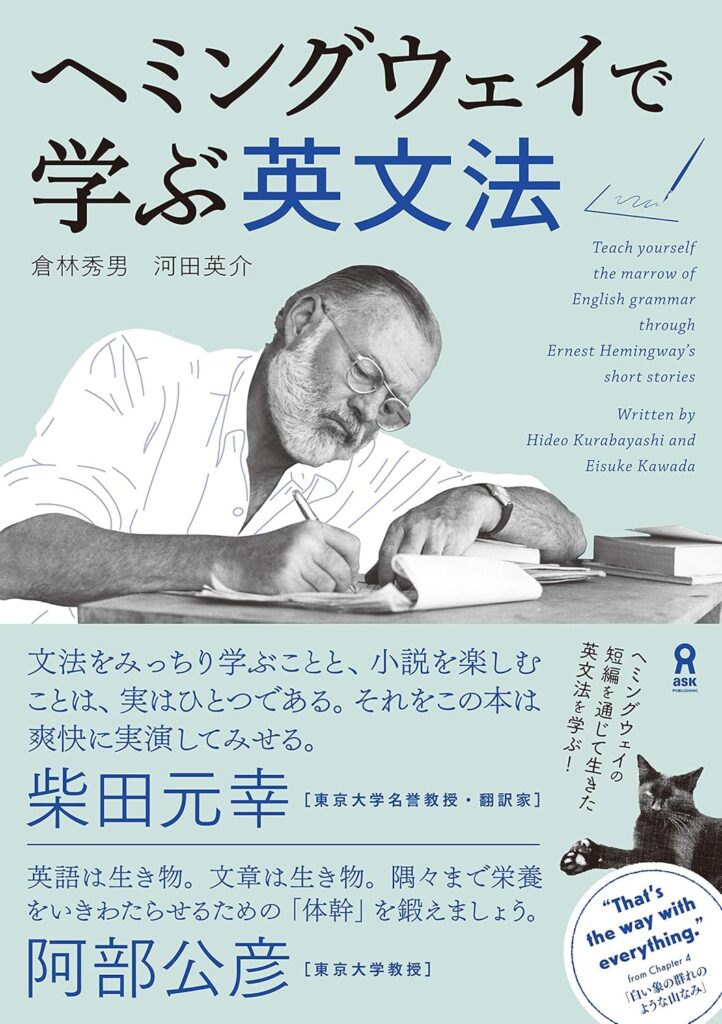
書籍: ヘミングウェイで学ぶ英文法


本文 未加工
A Day’s Wait
He came into the room to shut the windows while we were still in bed and I saw he looked ill.
He was shivering, his face was white, and he walked slowly as though it ached to move.
“What’s the matter, Schatz?”
“I’ve got a headache.”
“You better go back to bed.”
“No. I’m all right.”
“You go to bed. I’ll see you when I’m dressed.”
But when I came downstairs he was dressed, sitting by the fire, looking a very sick and miserable boy of nine years.
When I put my hand on his forehead I knew he had a fever.
“You go up to bed,” I said, “you’re sick.”
“I’m all right,” he said.
When the doctor came he took the boy’s temperature.
“What is it?” I asked him.
“One hundred and two.”
Downstairs, the doctor left three different medicines in different colored capsules with instructions for giving them.
One was to bring down the fever, another a purgative, the third to overcome an acid condition.
The germs of influenza can only exist in an acid condition, he explained.
He seemed to know all about influenza and said there was nothing to worry about if the fever did not go above one hundred and four degrees.
This was a light epidemic of flu and there was no danger if you avoided pneumonia.
Back in the room I wrote the boy’s temperature down and made a note of the time to give the various capsules.
“Do you want me to read to you?”
“All right. If you want to,” said the boy.
His face was very white and there were dark areas under his eyes.
He lay still in the bed and seemed very detached from what was going on.
I read aloud from Howard Pyle’s Book of Pirates but I could see he was not following what I was reading.
“How do you feel, Schatz?” I asked him.
“Just the same, so far,” he said.
I sat at the foot of the bed and read to myself while I waited for it to be time to give another capsule.
It would have been natural for him to go to sleep, but when I looked up he was looking at the foot of the bed, looking very strangely.
“Why don’t you try to go to sleep? I’ll wake you up for the medicine.”
“I’d rather stay awake.”
After a while he said to me, “You don’t have to stay in here with me Papa, if it bothers you.”
“It doesn’t bother me.”
“No, I mean you don’t have to stay if it’s going to bother you.”
I thought perhaps he was a little lightheaded and after giving him the prescribed capsules at eleven o’clock I went out for a while.
It was a bright, cold day, the ground covered with a sleet that had frozen so that it seemed as if all the bare trees, the bushes, the cut brush and all the grass and the bare ground had been varnished with ice.
I took the young Irish setter for a little walk up the road and along a frozen creek, but it was difficult to stand or walk on the glassy surface and the red dog slipped and slithered and I fell twice, hard, once dropping my gun and having it slide away over the ice.
We flushed a covey of quail under a high clay bank with overhanging brush and I killed two as they went out of sight over the top of the bank.
Some of the covey lit in trees, but most of them scattered into brush piles and it was necessary to jump on the ice-coated mounds of brush several times before they would flush.
Coming out while you were poised unsteadily on the icy, springy brush they made difficult shooting and I killed two, missed five, and started back pleased to have found a covey close to the house and happy there were so many left to find on another day.
At the house they said the boy had refused to let anyone come into the room.
“You can’t come in,” he said. “You mustn’t get what I have.”
I went up to him and found him in exactly the position I had left him, white-faced, but with the tops of his cheeks flushed by the fever, staring still, as he had stared, at the foot of the bed.
I took his temperature.
“What is it?”
“Something like a hundred,” I said. It was one hundred and two and four-tenths.
“It was a hundred and two,” he said.
“Who said so?”
“The doctor.”
“Your temperature is all right,” I said. “It’s nothing to worry about.”
“I don’t worry,” he said, “but I can’t keep from thinking.”
“Don’t think,” I said. “Just take it easy.”
“I’m taking it easy,” he said, and looked straight ahead. He was evidently holding tight on to himself about something.
“Take this with water.”
“Do you think it will do any good?”
“Of course it will.”
I sat down and opened the Pirate book and commenced to read, but I could see he was not following, so I stopped.
“About what time do you think I’m going to die?” he asked.
“What?”
“About how long will it be before I die?”
“You aren’t going to die. What’s the matter with you?”
“Oh, yes, I am. I heard him say a hundred and two.”
“People don’t die with a fever of one hundred and two. That’s a silly way to talk.”
“I know they do. At school in France the boys told me you can’t live with forty-four degrees. I’ve got a hundred and two.”
“He had been waiting to die all day, ever since nine o’clock in the morning.”
“You poor Schatz,” I said. “Poor old Schatz. It’s like miles and kilometers. You aren’t going to die. That’s a different thermometer. On that thermometer thirty-seven is normal. On this kind it’s ninety-eight.”
“Are you sure?”
“Absolutely,” I said. “It’s like miles and kilometers. You know, like how many kilometers we make when we do seventy miles in the car?”
“Oh,” he said.
But his gaze at the foot of the bed relaxed slowly. The hold over himself relaxed too, finally, and the next day it was very slack and he cried very easily at little things that were of no importance.
本文 加工
A Day’s Wait
※分秒は男性音声に対応
(1) 夜明けの異変と冷たい震え(An Unusual Chill at Dawn)
He came / into the room / to shut the windows / while we were still in bed and I saw / he looked ill.
He was shivering /ˈʃɪv.ɚ.ɪŋ/ (震えている) , his face was white, and he walked slowly / as though it ached /eɪkt/ (痛んだ) to move.
“What’s the matter, Schatz?” ※父親が息子を呼ぶ際の愛称。ドイツ語の Schatz(宝物)から。
“I’ve got a headache.”
“You better go back / to bed.”
“No. I’m all right.”
“You go to bed. I’ll see you / when I’m dressed.”
(2) 暖炉の前の病人と父親の気づき(The Sick Boy by the Fire and Father’s Concern)
But when I came downstairs / he was dressed, sitting / by the fire, looking a very sick and miserable /ˈmɪz.ɚ.ə.bl/ boy / of nine years.
When I put my hand / on his forehead I knew / he had a fever.
“You go up to bed,” I said, “you’re sick.”
“I’m all right,” he said.
(3) 医師の診断と3つのカプセル(The Doctor’s Visit and Three Colored Capsules)
When the doctor came / he took the boy’s temperature.
“What is it?” I asked him.
“One hundred and two.”
Downstairs, the doctor left three different medicines / in different colored capsules /ˈkæp.suːlz/ / with instructions / for giving them.
One was to bring down the fever, another a purgative /ˈpɝː.ɡə.t̬ɪv/ (下剤) , (and) the third / to overcome an acid condition (酸性の状態) .
The germs /dʒɝːmz/ (病原菌) / of influenza / can only exist / in an acid condition, he explained.
(4) インフルエンザの流行と凍りついた警戒(A Light Epidemic and Frozen Caution)
He seemed to know all / about influenza and said / there was nothing / to worry about / if the fever did not go / above one hundred and four degrees.
This was a light epidemic (軽い流行) / of flu and there was no danger / if you avoided pneumonia /nuː.ˈmoʊ.ni.ə/ (肺炎) .
Back / in the room I wrote the boy’s temperature down and made a note / of the time / to give the various capsules.
(5) 海賊の物語と心ここにあらずの視線(The Book of Pirates and a Detached Gaze)
“Do you want me to read to you?”
“All right. If you want to,” said the boy.
His face was very white and there were dark areas (隈 くま) / under his eyes.
He lay still (adj. 静止して) / in the bed and seemed very detached /dɪ.ˈtætʃt/ (離れた) / from what was going on.
I read aloud / from Howard Pyle’s /ˈhaʊ.ɚd.paɪl/ Book of Pirates / but I could see / he was not following /ˈfɑːl.oʊ.ɪŋ/ what I was reading. ※挿絵入りの海賊の物語で有名な著者。少年の興味を引くために選ばれた本です。
“How do you feel, Schatz?” I asked him.
“Just the same, so far,” he said.
(6) 孤独な待機と小さな気遣い(A Lonely Wait and Tiny Consideration)
I sat / at the foot / of the bed and read to myself (黙読した) / while I waited / for it / to be time / to give another capsule.
It would have been natural / for him / to go to sleep, but when I looked up / he was looking / at the foot / of the bed, looking (at the foot of the bed) very strangely.
“Why don’t you try to go to sleep? I’ll wake you up / for the medicine.”
“I’d rather stay awake.”
After a while / he said to me, “You don’t have to stay / in here / with me Papa, if it bothers you.”
“It doesn’t bother me.”
“No, I mean / you don’t have to stay / if it’s going to bother you.”
I thought / perhaps he was a little lightheaded (熱などで頭がふらふらする) and / after giving him the prescribed (処方された) capsules / at eleven o’clock / I went out / for a while.
(7) 氷に覆われた滑る路(Walking on the Varnished Ice)
It was a bright, cold day, the ground covered / with a sleet (みぞれ) / that had frozen / so that it seemed as if all the bare trees, the bushes(低木、茂み), the cut brush(藪、低木) and all the grass and the bare ground (むき出しの地面) had been varnished / with ice (氷でニスを塗ったような) .
Winter bushes (低木、茂み)

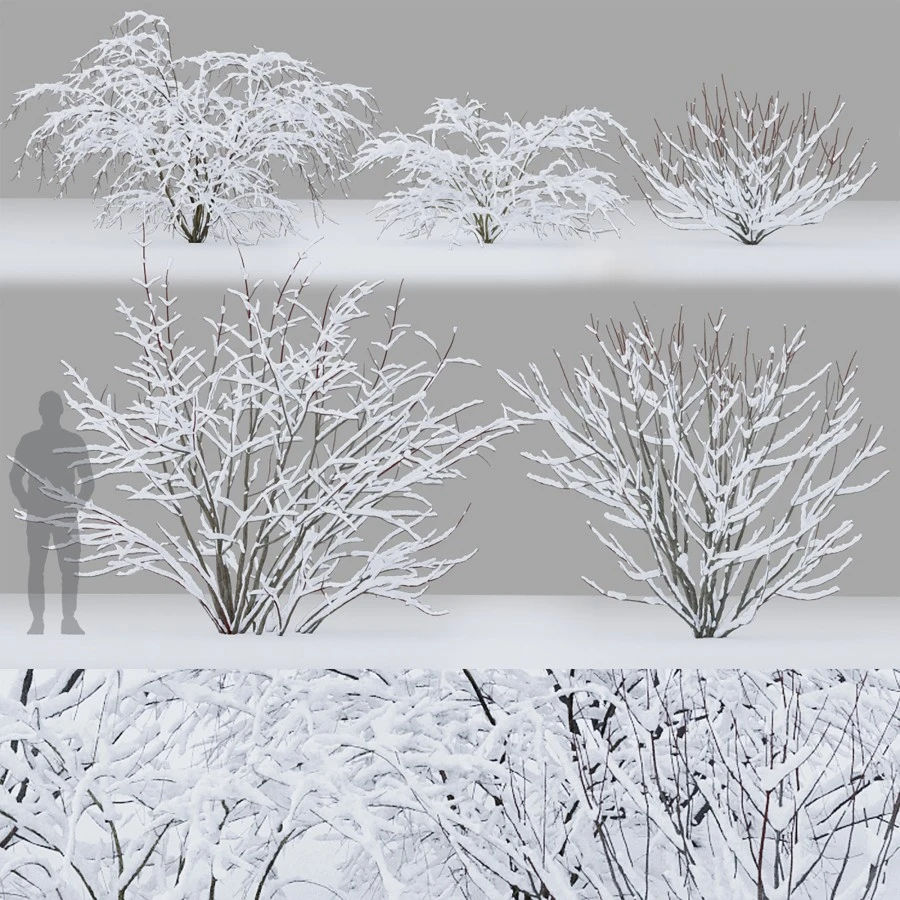
snow brush (刈り込まれた藪、切り払われた枝)


I took the young Irish setter / for a little walk / up(~に沿って) the road and along a frozen creek(小川), but it was difficult / to stand or walk / on the glassy surface (ガラスのような表面) and the red dog slipped and slithered /ˈslɪð.ɚd/ (ずるずると滑った) and I fell twice, hard, once dropping my gun and having it slide away(滑り去る) / over the ice.



(8) 凍てつく藪のなかのウズラ狩り(Quail Hunting in the Frozen Brush)
We flushed /flʌʃt/ (飛び立たせた) a covey of quail /kweɪl/ (ウズラ) / under a high clay (粘土質の) bank (土手) / with overhanging brush(藪) and I killed two / as they went out of sight (視界から消えて) / over the top of the bank(土手).

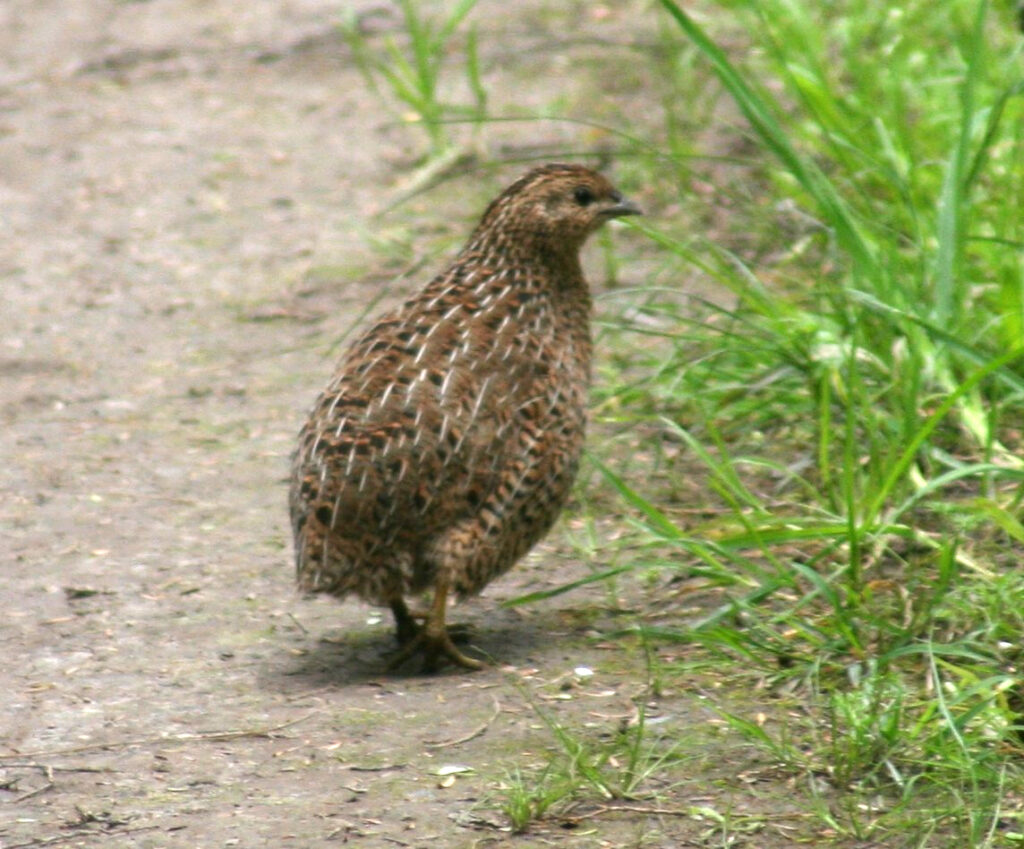

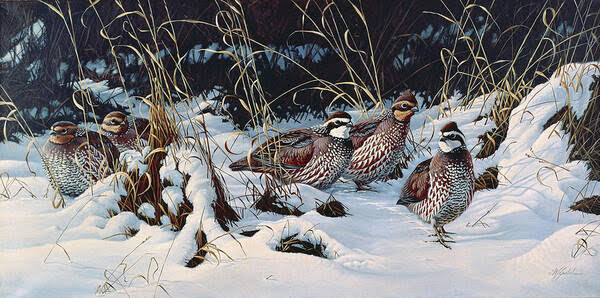


Some of the covey lit / in trees(木々に止まった), but most of them scattered / into(~の中へ散らばった) brush piles(藪・枝の山) and it was necessary / to jump / on the ice-coated mounds(氷に覆われた盛り土、あるいは塊) of brush(藪・枝の山) several times / before they would flush.

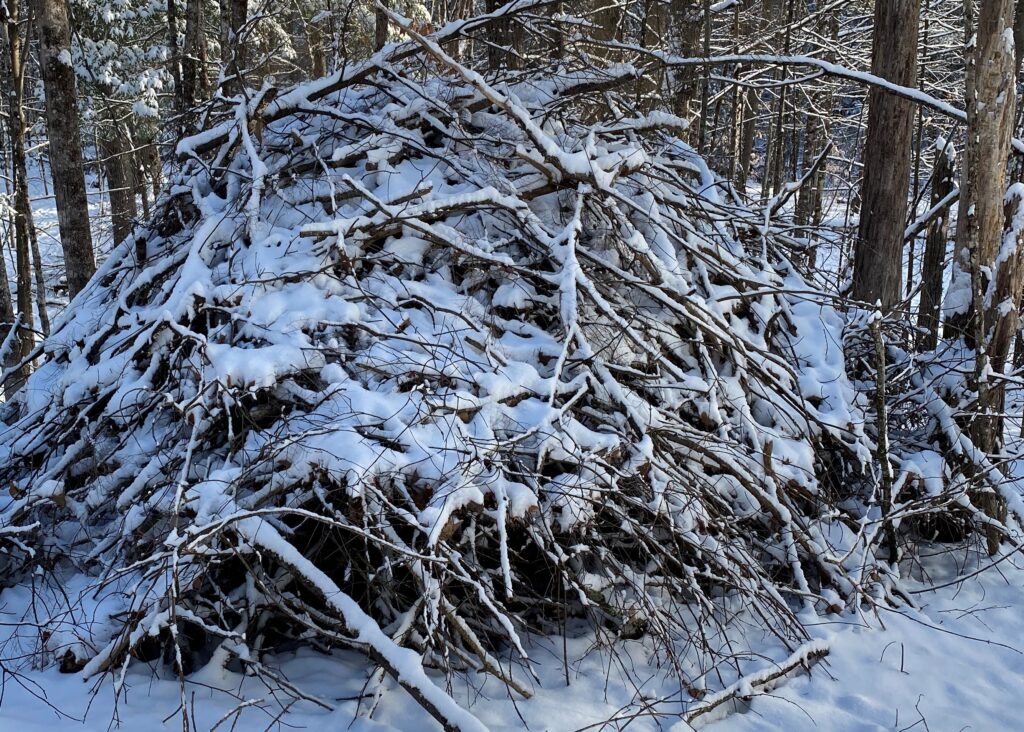
Coming out / while you were poised unsteadily (不安定な姿勢で身を構えて) / on the icy, springy brush(弾力のある藪、しなる枝) / they(quails) made difficult shooting and I killed two, missed five, and started back / pleased to have found a covey / close to the house and happy / there were so many left / to find / on another day.
(9) 拒絶された入室とベッドの足元の凝視(A Refused Entry and Staring at the Foot of the Bed)
At the house / they said / the boy had refused / to let anyone come / into the room.
“You can’t come in,” he said. “You mustn’t get what I have.”
I went up / to him and found him / in exactly the position / I had left him, white-faced, but with the tops / of his cheeks / flushed(赤らんだ) / by(with) (the) fever, staring still(じっと凝視する), as he had stared, at the foot / of the bed.
I took his temperature.
“What is it?”
“Something like a hundred,” I said. It was one hundred and two and four-tenths(102 and 4/10).
(10) 終わらない思考と張り詰めた少年の心(Endless Thoughts and a Tight Grip on Himself)
“It was a hundred and two,” he said.
“Who said so?”
“The doctor.”
“Your temperature is all right,” I said. “It’s nothing to worry about.”
“I don’t worry,” he said, “but I can’t keep from thinking. (考えるのを止められない)”
“Don’t think,” I said. “Just take it easy.”
“I’m taking it easy,” he said, and looked straight ahead. He was evidently holding tight on to (密着して) himself (必死に感情を抑えている) / about something.
“Take this with water.”
“Do you think it will do any good (効果がある)?”
“Of course it will.”
I sat down and opened the Pirate book and commenced (始めた) to read, but I could see he was not following, so I stopped.
(11) 衝撃の質問と死への覚悟(The Shocking Question and Waiting for Death)
“About what time do you think I’m going to(gonna) die?” he asked.
“What?”
“About how long will it be / before I die?”
“You aren’t going to(gonna) die. What’s the matter with you?”
“Oh, yes, I am. I heard him say a hundred and two.”
“People don’t die / with a fever / of one(a) hundred and two. That’s a silly way to talk (バカげた話し方).”
“I know they do. At school / in France / the boys told me / you can’t live / with forty-four degrees. I’ve got a hundred and two.”
“He had been waiting to die all day, ever since nine o’clock / in the morning.”
(12) 華氏と摂氏の誤解の氷解(Fahrenheit and Celsius: The Relief of Understanding)
“You poor Schatz,” I said. “Poor old Schatz. It’s like miles and kilometers. You aren’t going to die. That’s a different thermometer. On that thermometer thirty-seven is normal. On this kind it’s ninety-eight.”
“Are you sure?”
“Absolutely,” I said. “It’s like miles and kilometers. You know, like how many kilometers we make / when we do seventy miles in the car?”
“Oh,” he said.
But his gaze / at the foot / of the bed / relaxed slowly. The hold / over himself (自制心) relaxed too, finally, and the next day / it was very slack (緩んだ、締りのない) and he cried very easily / at little things / that were of no importance (どうでもいいこと).
英単語・英語表現の解説
(1)
- Holding tight on to himself
- /ˈhoʊl.dɪŋ.taɪt.ɑːn.tuː.hɪm.ˈself/ : hold-ing-tight-on-to-him-SELF
- 必死に自制する、自分を強く保つ : To maintain firm emotional or physical control over oneself.
- 語源: hold(掴む)+ tight(きつく)+ on to(~に)。
- 解説: ヘミングウェイらしい身体的な描写です。
- 空間的ニュアンス: 自分の心がバラバラに崩れ去ってしまわないように、自分自身(himself)を内側からギュッと「きつく(tight)」抱え込み、しがみついている(on to)イメージです。死の恐怖という巨大な圧力に対し、精神的な「殻」を固く閉ざして耐えている少年の悲壮な姿を表現しています。
- 発音のコツ: tight の /t/ と on の /ɑːn/ を繋げて「タイタン」のように発音し、himself のアクセントを強調します。
- Shut
- /ʃʌt/ : SHUT
- 閉める, 閉じる : To move something into a position that covers an opening.
- 語源: 古英語の scyttan(かんぬきをかける)に由来。
- 解説: ここでは窓を閉める動作を指しますが、物語全体を通じた「閉ざされた空間」の象徴でもあります。
- 発音のコツ: 語末の /t/ は破裂させずに息を止めるストップTにします。
- Ill
- /ɪl/ : ILL
- 病気で, 気分が悪い : Suffering from physical or mental sickness.
- 語源: 古ノルド語の illr(悪い、邪悪な)に由来。
- 解説: sick よりも状態の深刻さや、漠然とした「具合の悪さ」を暗示することがあります。
- 発音のコツ: /l/ は舌先を上の前歯の付け根にしっかり押し当てて響かせるダークLです。
- Shivering
- /ˈʃɪv.ɚ.ɪŋ/ : SHIV-er-ing
- 震えている : Shaking slightly and uncontrollably as a result of being cold, frightened, or excited.
- 語源: 中期英語の chiveren(震える)に由来。
- 解説: 高熱による悪寒を身体的に描写しています。
- 発音のコツ: /v/ で上の前歯を下唇に軽く当て、振動を意識してください。
- Ached
- /eɪkt/ : AEKT
- 痛んだ : Suffered from a continuous dull pain.
- 語源: 古英語の acan(痛む)に由来。
- 解説: インフルエンザ特有の関節痛や全身の倦怠感を「歩くのが苦痛である」という動作で表現しています。
- 発音のコツ: /k/ の音をしっかり出した直後に、無声の /t/ で短く止めます。
- Schatz
- /ʃɑːts/ : SHATZ
- シャッツ(愛称) : A German term of endearment, meaning “treasure.”
- 語源: ドイツ語の Schatz(宝物)から。
- 解説: 父親が息子を呼ぶ際の愛称。家族の親密さと、このあとに起こる悲劇的な誤解の対比を強めています。
- 発音のコツ: /ts/ は日本語の「つ」のように鋭く息を吐き出します。
- Headache
- /ˈhed.eɪk/ : HED-ake
- 頭痛 : A continuous pain in the head.
- 語源: head(頭)+ ache(痛み)。
- 解説: 少年が自覚している最初の具体的な症状です。
- 発音のコツ: /d/ と /eɪ/ を繋げて「ヘデイク」のように発音します。
- Dressed
- /drest/ : DREST
- 服を着て : Wearing clothes rather than being naked or in pajamas.
- 語源: 古フランス語の dresser(整える)に由来。
- 解説: 父親の「着替えたら見に行く」という言葉に対し、少年はすでに着替えを終えて下の階にいます。
- 空間的ニュアンス: すでに服という「武装」を整え、公の場である階下に降りている状態。自分の弱さを隠し、一人で運命に立ち向かおうとする少年の自制心の表れです。
- 発音のコツ: 語末の /st/ を明瞭に発音します。
- Downstairs
- /ˌdaʊn.ˈsterz/ : down-STAIRZ
- 階下へ : To or on a lower floor of a building.
- 語源: down(下へ)+ stairs(階段)。
- 解説: 1階のリビングや火のそばを指します。
- 空間利なニュアンス: プライベートな「上の階(寝室)」から、共有スペースである「下の階」への移動。家族との繋がりを求めつつも、平静を装おうとする少年の心理的な境界線を示します。
- 発音のコツ: 第2音節の /ste/ を最も強く発音し、Rの響きを喉の奥にこもらせます。
- Fire
- /ˈfaɪ.ɚ/ : FIRE
- 火、暖炉の火 : A state, process, or instance of combustion in which fuel or other material is burned.
- 語源: 古英語の fyr に由来。
- 解説: 凍てつく外の世界との対比としての「温かい家庭」の象徴です。
- 発音のコツ: /aɪ/ から /ɚ/ へ滑らかに繋げます。
- Miserable
- /ˈmɪz.ɚ.ə.bl/ : MIZ-er-a-bl
- 惨めな、ひどく気分が悪い : Unhappy, uneasy, or uncomfortable.
- 語源: ラテン語の miser(哀れな)に由来。
- 解説: 外見上の体調の悪さだけでなく、内面の不安が顔に出ている様子を描写しています。
- 発音のコツ: 第1音節の /mɪz/ を強く、あとの音節は軽く添えるように発音します。
- Nine years
- /naɪn.jɪrz/ : NINE-yearz
- 9歳 : The age of the boy at the time of the story.
- 語源: nine(9)+ years(年)。
- 解説: わずか9歳の子供が、死の恐怖という過酷な運命に一人で立ち向かおうとしている事実を突きつけます。
- 発音のコツ: years の /j/ をしっかり発音し、最後は /z/ で濁らせます。
- Forehead
- /ˈfɔːr.hed/ : FOR-hed
- 額(ひたい) : The part of the face above the eyebrows.
- 語源: fore(前方の)+ head(頭)。
- 解説: 父親が子供の熱を確認する際の、最も直接的で愛情のこもった動作です。
- 発音のコツ: /h/ を省略して「フォーリッド」のように発音されることもあります。
- Fever
- /ˈfiː.vɚ/ : FEE-ver
- 熱、発熱 : An abnormally high body temperature.
- 語源: ラテン語の febris に由来。
- 解説: インフルエンザの症状。この熱が、華氏と摂氏の混同という物語の核となる誤解を引き起こします。
- 発音のコツ: /f/ と /v/ の摩擦音をしっかりと使い分けます。
- Up
- /ʌp/ : UP
- 上の階へ(2階の寝室へ) : To a higher place or upper floor.
- 語源: 古英語の up, uppe に由来。
- 解説: 1階のリビングから2階の寝室への移動。
- 空間的ニュアンス: 家族のいる共有の場から、孤独な戦いの場である「上の階」への隔離。父親による、病人としての正しい場所への誘導でもあります。
- 発音のコツ: 短い /ʌ/ の音を鋭く発音し、唇を閉じて /p/ を止めます。
- Matter
- /ˈmæt̬.ɚ/ : MAT-er
- 問題、事態 : A subject or situation under consideration.
- 語源: ラテン語の materia(材料、本質)に由来。
- 解説: “What’s the matter?” で「どうしたんだい?」と体調を尋ねる表現です。
- 発音のコツ: アメリカ英語では中間の /tt/ がフラップT(/t̬/)になり、「マラー」に近い音になります。
- Shut the windows
- /ʃʌt.ðə.ˈwɪn.doʊz/ : SHUT the WIN-dowz
- 窓を閉める : To close the windows to prevent air or cold from entering.
- 語源: shut(閉める)+ window(窓、古ノルド語の「風の目」に由来)。
- 解説: 冬の冷たい空気を遮断する動作。外界の厳しさと家の中を分かつ行為です。
- 発音のコツ: /t/ と /ð/ が連続するため、/t/ を止めた瞬間に舌先を歯の間に準備します。
- Sick
- /sɪk/ : SICK
- 病気の : Affected by physical or mental illness.
- 語源: 古英語の seoc に由来。
- 解説: 父親が少年の状態を断定する言葉。
- 発音のコツ: 短い /ɪ/ の音を意識して、最後に /k/ で弾きます。
- As though
- /əz.ðoʊ/ : az-THOW
- まるで〜であるかのように : As if.
- 語源: as + though(~だけれども)。
- 解説: 実際には歩けるが、その動作が苦痛を伴っていることを比喩的に示します。
- 発音のコツ: /ð/ の有声歯間摩擦音を意識し、/oʊ/ をしっかり二重母音にします。
- Better
- /ˈbet̬.ɚ/ : BET-er
- 〜したほうがよい : Used to give advice or a recommendation (had better).
- 語源: 古英語の betera(より良い)に由来。
- 解説: ここでは You’d better の had が省略されています。
- 発音のコツ: アメリカ英語では /tt/ がフラップTになり、「ベラー」のように聞こえます。
- Go back to bed
- /ɡoʊ.bæk.tuː.bed/ : GO-back to BED
- 寝床に戻る : To return to bed to rest.
- 語源: go + back + to + bed。
- 解説: 回復のために休息を促す表現。
- 空間的ニュアンス: 再び「安静」という規定された場所へ戻ること。父性の保護の下に息子を戻そうとする動きです。
- 発音のコツ: bed の最後は /d/ を飲み込まず、軽く響かせます。
- All right
- /ɔːl.ˈraɪt/ : all-RIGHT
- 大丈夫な : In satisfactory condition.
- 語源: all + right(正しい、まっすぐな)。
- 解説: 少年が強がって(あるいは自制して)自分を保とうとする際に何度も繰り返されるキーワードです。
- 発音のコツ: /l/ から /r/ への切り替えを滑らかに行います。
- I’ll see you
- /aɪl.siː.juː/ : I’ll-SEE-yu
- あとで会おう : I will see you later.
- 語源: I + will + see + you.
- 解説: 「着替え終わったら様子を見に行く」という意味の約束です。
- 発音のコツ: I’ll は短く「アイル」と発音します。
- By the fire
- /baɪ.ðə.ˈfaɪ.ɚ/ : by the FIRE
- 火のそばで : Near the fireplace.
- 語源: by(~のそば)+ the + fire。
- 解説: 空間的な配置を示します。
- 空間的ニュアンス: 家の中の最も暖かい中心部(by)への滞在。寒さ(悪寒)から身を守るための本能的な配置でもあります。
- 発音のコツ: by the は一気に弱く発音し、fire を強調します。
- Looking
- /ˈlʊk.ɪŋ/ : LUK-ing
- 〜のように見える : Appearing to be.
- 語源: 古英語の locian に由来。
- 解説: 客観的に見て少年の状態がひどく悪そうであることを示します。
- 発音のコツ: /k/ から /ɪŋ/ への繋がりを意識します。
- Put my hand on
- /pʊt.maɪ.hænd.ɑːn/ : PUT-my-hand-ON
- 〜に手を置く : To place one’s hand on a surface.
- 語源: put + hand + on。
- 解説: 体温を確かめる親の慈しみが感じられる動作です。
- 空間的ニュアンス: 身体的な接触(on)を通じて、息子の内側の「異常(熱)」を感知しようとする試みです。
- 発音のコツ: put の /t/ はストップT、hand の /d/ も弱く発音します。
(2)
- Doctor
- /ˈdɑːk.tɚ/ : DOK-ter
- 医師 : A person who is qualified to treat people who are ill.
- 語源: ラテン語の doctor(教師)に由来。
- 解説: 往診に来た医師。彼が告げた「102度」という数字が、物語の致命的な誤解の起点となります。
- 発音のコツ: 第1音節の /dɑː/ を強く、語末の /r/ は舌を巻かずに喉の奥で響かせます。
- Temperature
- /ˈtem.prə.tʃɚ/ : TEM-per-a-ture
- 体温, 温度 : The degree of internal heat of a person’s body.
- 語源: ラテン語の temperatura(適切な割合、気質)に由来。
- 解説: 医師が測定した具体的な数値。
- 空間的ニュアンス: 身体の内部(internal)に蓄積された熱の程度。外の世界の凍てつく寒さと、少年の体内の異常な熱さの対比を象徴しています。
- 発音のコツ: /tem/ を最も強く発音し、あとの音節は流すように発声します。
- One hundred and two
- /wʌn.ˈhʌn.drəd.ænd.tuː/ : ONE-hun-dred-and-TWO
- 102度(華氏) : A temperature of 102 degrees Fahrenheit (about 38.9 degrees Celsius).
- 語源: 数詞の組み合わせ。
- 解説: 華氏102度は高熱ですが、命に関わるほどではありません。しかし、少年はこの数値を摂氏(Celsius)と混同し、絶望に陥ります。
- 発音のコツ: hundred の /d/ と and の /æ/ を繋げてスムーズに発音します。
- Medicines
- /ˈmed.ə.sənz/ : MED-i-sinz
- 薬 : Substances used for medical treatment.
- 語源: ラテン語の medicina(癒やしの術)に由来。
- 解説: 医師が処方した3種類の薬。
- 発音のコツ: 語末の /z/ をしっかり響かせます。
- Capsules
- /ˈkæp.suːlz/ : KAP-sulz
- カプセル : Small cases or containers, especially those containing a dose of medicine.
- 語源: ラテン語の capsula(小さな箱)に由来。
- 解説: 色分けされたカプセル。
- 空間的ニュアンス: 薬を包み込む「小さな箱(container)」。外界が氷でカプセルのように覆われている描写(varnished with ice)と、この薬のカプセルが、閉じ込められた感覚を視覚的にリンクさせています。
- 発音のコツ: /æ/ は口を横に広げてはっきりと発音します。
- Instructions
- /ɪn.ˈstrʌk.ʃənz/ : in-STRUK-shunz
- 指示, 服用説明 : Information about how to do or use something.
- 語源: ラテン語の instruere(整える、教える)に由来。
- 解説: 薬の飲ませ方についての医師の指示。
- 発音のコツ: 第2音節の /strʌk/ を強く、高く発音します。
- Bring down
- /brɪŋ.daʊn/ : BRING-down
- (熱などを)下げる : To cause to decrease.
- 語源: bring(持ってくる)+ down(下へ)。
- 解説: 解熱剤の役割。
- 空間的ニュアンス: 高くなった熱という数値を、元の位置へ「引き下ろす(down)」という垂直方向の移動。少年の高ぶった緊張を鎮めようとする父親の意図も重なります。
- 発音のコツ: /ŋ/ の鼻に抜ける音から /d/ への移行を意識します。
- Purgative
- /ˈpɝː.ɡə.t̬ɪv/ : PUR-ga-tiv
- 下剤 : A medicine used to help empty the bowels.
- 語源: ラテン語の purgare(浄化する)に由来。
- 解説: 体内の不要物を排出させる薬。当時のインフルエンザ治療では一般的でした。
- 発音のコツ: /pɝː/ を強く、アメリカ英語では t がフラップTになり「パガディヴ」のように聞こえます。
- Acid condition
- /ˈæs.ɪd.kən.ˈdɪʃ.ən/ : AS-id kon-DISH-un
- 酸性の状態 : A state of having too much acid in the body.
- 語源: acid(鋭い、酸っぱい)+ condition(状態)。
- 解説: インフルエンザ菌が好む環境。これを打破することが治療の目的と説明されます。
- 発音のコツ: condition の 第2音節 /dɪʃ/ を強調します。
- Overcome
- /ˌoʊ.vɚ.ˈkʌm/ : o-ver-KUM
- 克服する, 打ち勝つ : To succeed in dealing with a problem or difficulty.
- 語源: over(越えて)+ come(来る)。
- 解説: 酸性の状態を打ち消し、正常に戻すこと。
- 発音のコツ: 語末の /m/ は口をしっかり閉じて響かせます。
- Germs
- /dʒɝːmz/ : JERMZ
- 細菌, 病原菌 : Very small organisms that cause disease.
- 語源: ラテン語の germen(芽、種)に由来。
- 解説: インフルエンザの原因菌。
- 発音のコツ: /dʒ/ は唇を丸めて「ヂュ」のように出し、Rをしっかり響かせます。
- Influenza
- /ˌɪn.flu.ˈen.zə/ : in-flu-EN-za
- インフルエンザ : A common viral infection that can be deadly.
- 語源: イタリア語で「影響(influence)」を意味し、星の影響で病が流行ると信じられていたことに由来。
- 解説: 物語の背景となる病気。
- 発音のコツ: /en/ に最も強いアクセントを置きます。
- Exist
- /ɪɡ.ˈzɪst/ : ig-ZIST
- 存在する : To be real or alive.
- 語源: ラテン語の exister(現れる、外に立つ)に由来。
- 解説: 菌がある特定の条件下でのみ生きられるという説明。
- 発音のコツ: /x/ の部分を /ɡz/ と濁らせて発音します。
- Worry about
- /ˈwɝː.i.ə.ˈbaʊt/ : WUR-ee a-BOUT
- 〜について心配する : To feel anxious or troubled about something.
- 語源: worry は古英語の wyrgan(絞め殺す)に由来。
- 解説: 医師が父親に告げる安心の言葉。
- 発音のコツ: worry の最後と about の最初を繋げて滑らかに発音します。
- One hundred and four
- /wʌn.ˈhʌn.drəd.ænd.fɔːr/ : ONE-hun-dred-and-FOUR
- 104度(華氏) : 104 degrees Fahrenheit (about 40 degrees Celsius).
- 語源: 数詞の組み合わせ。
- 解説: 医師が設定した「警戒ライン」。
- 発音のコツ: four の Rをしっかり喉の奥で響かせます。
- Light epidemic
- /laɪt.ˌep.ə.ˈdem.ɪk/ : LIGHT ep-i-DEM-ic
- 軽い流行 : A situation where a disease spreads quickly but is not severe.
- 語源: epidemic はギリシャ語の epi(上に)+ demos(人々)に由来。
- 解説: 今回の流行はそれほど深刻ではないという医師の見立て。
- 発音のコツ: epidemic の 第3音節 /dem/ を最も強く発音します。
- Danger
- /ˈdeɪn.dʒɚ/ : DAIN-jer
- 危険 : The possibility of suffering harm or injury.
- 語源: 古フランス語の dangier(権限、支配力)に由来。
- 解説: 医師は「肺炎さえ避ければ危険はない」と言います。
- 発音のコツ: 第1音節の /deɪn/ をはっきりと二重母音で発音します。
- Avoided
- /ə.ˈvɔɪ.dɪd/ : a-VOI-did
- 避けた, 回避した : Stayed away from or prevented.
- 語源: 古フランス語の evuider(空にする)に由来。
- 解説: 合併症を防ぐことの重要性。
- 発音のコツ: 語末の /dɪd/ は短く弱く添えます。
- Pneumonia
- /nuː.ˈmoʊ.ni.ə/ : nu-MO-nia
- 肺炎 : Lung inflammation caused by bacterial or viral infection.
- 語源: ギリシャ語の pneumon(肺)に由来。
- 解説: インフルエンザで最も警戒すべき合併症。
- 発音のコツ: 最初の p は発音しません(黙字)。/nuː/ から始めます。
(3)
- Wrote … down
- /roʊt.daʊn/ : ROHT-DOWN
- 書き留めた : To record information on paper.
- 語源: write(書く)+ down(下へ)。
- 解説: 忘れないように記録する動作です。
- 空間的ニュアンス: 「紙の上(down)」に情報を定着させるイメージ。流動的な記憶を、物理的な記録として固定する父親の几帳面さが表れています。
- 発音のコツ: wrote の /t/ を飲み込むように止め、すぐに down の /d/ へ繋げます。
- Made a note
- /meɪd.ə.noʊt/ : MAID-a-NOHT
- メモを取った : To write something down so that you will remember it.
- 語源: make(作る)+ note(印、覚え書き)。
- 解説: 薬を与える時間を管理するための事務的な動作。
- 発音のコツ: made a を繋げて「メイダ」のように発音します。
- Various
- /ˈver.i.əs/ : VER-ee-us
- さまざまな : Several different; many and any.
- 語源: ラテン語の varius(変化に富んだ)に由来。
- 解説: 医師が置いていった3種類の異なる薬を指します。
- 発音のコツ: 第1音節の /ver/ を最も強く、はっきりと発音します。
- Dark areas
- /dɑːrk.ˈer.i.əz/ : DARK-AIR-ee-az
- (目の下の)隈(くま) : Dark circles or shadows under the eyes.
- 語源: dark(暗い)+ area(場所、範囲)。
- 解説: 高熱と精神的な消耗によって、少年の顔色が悪化していることを示す視覚的描写。
- 発音のコツ: dark の /k/ を弱く、areas の /z/ をしっかり響かせます。
- Still
- /stɪl/ : STILL
- じっとして, 静止して : Not moving or making a sound.
- 語源: 古英語の stille(固定された、静かな)に由来。
- 解説: 身体が硬直しているかのように動かない様子。
- 空間的ニュアンス: 動きが全くない状態を指し、ここでは少年の内面にある緊張感が身体を金縛りにしているような重苦しさを伴います。
- 発音のコツ: /s/ の音から /t/ へ素早く繋げ、短い /ɪ/ を意識します。
- Detached
- /dɪ.ˈtætʃt/ : de-TACHT
- 離れた, 超然とした : Separate or disconnected, in particular objective or aloof.
- 語源: フランス語の detacher(外す)に由来。
- 解説: 現実の世界から心が離れてしまっている状態。
- 空間的ニュアンス: 接点を持っていない(disconnected)状態。少年の意識は、目の前の父親や海賊の本ではなく、自分の中にある「死」という概念にのみ向いていることを示します。
- 発音のコツ: 語末の /tʃt/ を「チュト」のように鋭く発音します。
- Going on
- /ˈɡoʊ.ɪŋ.ɑːn/ : GO-ing-ON
- 起きている, 進行している : Happening.
- 語源: go(進む)+ on(継続して)。
- 解説: 目の前で起きている全ての出来事。
- 発音のコツ: going の最後と on を繋げて「ゴーインガン」のように発音します。
- Read aloud
- /riːd.ə.ˈlaʊd/ : REED-a-LOUD
- 音読する : To read so that other people can hear you.
- 語源: read(読む)+ aloud(大きな声で)。
- 解説: 声に出して読み聞かせる動作。
- 発音のコツ: read の /d/ と aloud の /ə/ を繋げて「リーダラウド」と発音します。
- Howard Pyle
- /ˈhaʊ.ɚd.paɪl/ : HOW-ard-PYLE
- ハワード・パイル(人名) : An American illustrator and author (1853–1911).
- 語源: 固有名詞。
- 解説: 挿絵入りの海賊の物語で有名な著者。少年の興味を引くために選ばれた本です。
- 発音のコツ: Howard の Rをしっかり響かせ、Pyle の Lは舌を前歯の裏に押し当てます。
- Book of Pirates
- /bʊk.əv.ˈpaɪ.rəts/ : BOOK-ov-PI-ratez
- 海賊の本 : A famous book by Howard Pyle.
- 語源: book(本)+ pirate(海賊)。
- 解説: 冒険に満ちた海賊の物語。本来なら子供を夢中にさせる本ですが、今の少年には届きません。
- 発音のコツ: Pirates のアクセントを第1音節に置き、語末の /ts/ を短く出します。
- Following
- /ˈfɑːl.oʊ.ɪŋ/ : FOL-oh-ing
- (話に)ついてきている, 理解している : Understanding or paying attention to.
- 語源: 古英語の folgian(後をついていく)に由来。
- 解説: 読み聞かせの内容を理解し、追っている状態。
- 心理的感覚: 意識が他者の言葉を「追いかける」余裕がないことを示し、少年の意識がどれほど深く内側に引きこもっているかを物語っています。
- 発音のコツ: 第1音節の /fɑːl/ をはっきりと発音します。
- Just the same
- /dʒʌst.ðə.seɪm/ : JUST-the-SAME
- 相変わらず, 変わらず : No different from before.
- 語源: just(まさに)+ the same(同じ)。
- 解説: 体調が好転も悪化もしていないことを告げる定型表現。
- 発音のコツ: just の /t/ は発音せず、「ジャス・ダ・セイム」のように繋げます。
- So far
- /soʊ.fɑːr/ : SOH-FAR
- 今のところ : Until now.
- 語源: so + far(遠く)。
- 解説: 過去から現時点までの継続を表します。
- 発音のコツ: far の /ɑːr/ でしっかり口を広げ、喉の奥を鳴らします。
(4)
- At the foot of the bed
- /æt ðə fʊt əv ðə bed/ : at-thuh-FOOT-uv-thuh-BED
- ベッドの足元に : At the end of a bed where a person’s feet are usually positioned.
- 語源: footは古英語のfōt(足、底部)に由来。
- 解説: 患者の足側に座ることで、顔を直接覗き込まずに適度な距離を保ちながら様子を伺っている場面です。
- 空間的ニュアンス: 枕元(head of the bed)ではなく足元(foot)に座ることで、病人を圧迫せず、かついつでも異変に気づける「見守り」の距離感を表現しています。
- 発音のコツ: at theは素早く繋げ、footとbedを最も強く発音します。
- Read to myself
- /riːd tuː maɪ.ˈself/ : REED-too-my-SELF
- (声に出さず)心の中で読む、黙読する : To read without making any sound so that others cannot hear.
- 語源: readは古英語のrædan(助言する、解釈する)に由来。
- 解説: 病室の静寂を乱さないよう、静かに本を読んでいる様子を示しています。
- 発音のコツ: selfのアクセントを強調し、toは弱く「トゥ」と添える程度にします。
- Capsule
- /ˈkæp.sjuːl/ : KAP-syool
- カプセル(剤) : A small container with medicine inside that you swallow whole.
- 語源: ラテン語のcapsula(小さな箱)に由来。
- 解説: 決まった時間に投与しなければならない、医師から処方された薬を指します。
- 発音のコツ: 最初の「キャ」に強いアクセントを置き、後半は軽く発音します。
- Natural
- /ˈnætʃ.ɚ.əl/ : NATCH-er-ul
- 当然の、自然な : Normal or expected in a particular situation.
- 語源: ラテン語のnatura(誕生、本性)に由来。
- 解説: 高熱がある子供なら眠るのが普通であるのに、そうしない息子への違和感を表しています。
- 発音のコツ: 第1音節の「ナ」を最も強く、残りの部分は曖昧に発音します。
- Looked up
- /lʊkt ʌp/ : LOOKT-UP
- 顔を上げた、目を上げた : To raise one’s eyes from what one is doing.
- 語源: look(見る)+ up(上へ)。
- 解説: 本から目を離して、息子の様子を確認した動作です。
- 発音のコツ: lookedの最後は無声子音の/t/になり、upと繋がって「ルックタップ」のように聞こえます。
- Strangely
- /ˈstreɪndʒ.li/ : STRAIN-jlee
- 奇妙に、不思議そうに : In a way that is unusual or surprising.
- 語源: ラテン語のextraneus(外部の、見知らぬ)に由来。
- 解説: 息子の視線が単に虚空を彷徨っているのではなく、何かに強く囚われているような異様さを描写しています。
- 発音のコツ: stの音を鋭く出し、最後のlyは短く添えます。
- Stay awake
- /steɪ ə.ˈweɪk/ : STAY-uh-WAKE
- 起きている、眠らずにいる : To remain in a state of being conscious and not sleeping.
- 語源: stay(留まる)+ awake(目覚めている)。
- 解説: 眠ることを拒み、意識を保とうとする息子の強い(しかし父親には理解できない)意志を示しています。
- 発音のコツ: stayの語末とawakeの語頭を滑らかに繋げます。
- Bothers you
- /ˈbɑː.ðɚz juː/ : BAH-therz-yoo
- あなたを困らせる、煩わせる : To annoy or cause trouble for someone.
- 語源: 語源は不明だが、18世紀頃から使われ始めた言葉。
- 解説: 自分が病気で寝ていることが父親の負担になっているのではないかと気遣う少年のセリフです。
- 発音のコツ: thでしっかり舌を噛み、濁らせて発音します。
- Lightheaded
- /ˌlaɪt.ˈhed.ɪd/ : LITE-HED-id
- (熱などで)頭がふらふらする、のぼせる : Feeling dizzy or as if you might faint, often due to illness.
- 語源: light(軽い)+ headed(頭の)。
- 解説: 息子が変なことを言うのは、高熱で意識が少し混濁しているからだろうという父親の推測です。
- 空間的ニュアンス: 重力感覚が失われ、意識が自分の体から浮き上がって「軽く(light)」なっているような、不安定な精神状態を指します。
- 発音のコツ: headの部分を最も強く、最後は弱くidと発音します。
- Prescribed
- /prɪ.ˈskraɪbd/ : pri-SKRAIBD
- 処方された : Advised or ordered by a doctor as a remedy.
- 語源: ラテン語のpraescribere(あらかじめ書く)に由来。
- 解説: 自己判断ではなく、専門家(医者)によって指示された正しい分量の薬であることを強調しています。
- 発音のコツ: scribedの二重母音/ai/をしっかり伸ばし、最後は/d/を響かせます。
(5)
- Bright
- /braɪt/ : BRITE
- 輝いている、明るい : Giving out or reflecting much light.
- 語源: 古英語の bryht に由来。
- 解説: 冬の晴天特有の、刺すような鋭い光を表現しています。
- 発音のコツ: 最後の /t/ は飲み込むように短く止めます。
- Cold day
- /koʊld.deɪ/ : KOHLD-DAY
- 寒い日 : A day with a low temperature.
- 語源: cold(冷たい)+ day(日)。
- 解説: 気温の低さが、このあとの氷の描写へと繋がっていきます。
- 発音のコツ: cold の /d/ と day の /d/ が重なるため、一つの長い /d/ のように発音します。
- Ground
- /ɡraʊnd/ : GRAUND
- 地面、土地 : The solid surface of the earth.
- 語源: 古英語の grund(底、地面)に由来。
- 解説: すべての物語の舞台となる足元の土台。
- 発音のコツ: 二重母音 /aʊ/ をはっきりと出し、最後は軽く /d/ で締めます。
- Covered with
- /ˈkʌv.ɚd.wɪð/ : KUV-erd-with
- 〜で覆われている : Having a layer of something on top.
- 語源: cover(覆う)+ with(〜によって)。
- 解説: 表面が完全に見えなくなっている状態を示します。
- 発音のコツ: covered の /d/ と with の /w/ を繋げて滑らかに発音します。
- Sleet
- /sliːt/ : SLEET
- みぞれ、凍雨 : A form of precipitation consisting of ice pellets.
- 語源: 中期英語の slete に由来。
- 解説: 雪よりも硬く、地面を氷の膜に変える原因です。
- 発音のコツ: /ee/ を長めに発音し、最後は鋭く /t/ で終わります。
- Frozen
- /ˈfroʊ.zən/ : FROH-zen
- 凍った : Turned into ice as a result of extreme cold.
- 語源: freeze(凍る)の過去分詞形。
- 解説: 世界が完全に静止しているような感覚を与えます。
- 発音のコツ: 最初の /f/ でしっかり息を出し、/z/ の濁りを意識します。
- Bare trees
- /ber.triːz/ : BAIR-TREEZ
- 葉のない木々 : Trees without leaves.
- 語源: bare(裸の)+ tree(木)。
- 解説: 冬の枯れ木の寒々しさを表現しています。
- 発音のコツ: bare の /r/ から trees の /tr/ へ滑らかに移行します。
- Bushes
- /ˈbʊʃ.ɪz/ : BUSH-iz
- 低木、茂み : Low plants with many branches.
- 語源: 西ゲルマン語に由来。
- 解説: 背の低い植物もすべて氷に覆われている様子を描写しています。
- 発音のコツ: /ʃ/ の音で口を突き出し、語尾の /iz/ をしっかり発音します。
- The cut brush
- /ðə.kʌt.brʌʃ/ : the-KUT-BRUSH
- 刈り込まれた藪、切り払われた枝 : Vegetation that has been trimmed or cut back.
- 語源: cut(切られた)+ brush(藪、低木)。
- 解説: 人の手で手入れされたあとの植物の残骸さえも、氷の中に閉じ込められています。
- 発音のコツ: cut の /t/ と brush の /b/ を繋げる際、/t/ を飲み込むように発音します。
- Grass
- /ɡræ s/ : GRASS
- 草 : Common green vegetation with narrow leaves.
- 語源: 古英語の gærs に由来。
- 解説: 足元の草も一本一本が氷でコーティングされています。
- 発音のコツ: /æ/ は口を横に広げて「ア」と「エ」の中間音を出します。
- Bare ground
- /ber.ɡraʊnd/ : BAIR-GRAUND
- むき出しの地面 : Ground that is not covered by vegetation.
- 語源: bare + ground(土壌)。
- 解説: 植物のない土の部分も、氷によって滑らかな表面になっています。
- 発音のコツ: bare の /r/ と ground の /g/ を一気に繋げて発音します。
- Varnished with ice
- /ˈvɑːrnɪʃt.wɪð.aɪs/ : VAR-nisht-with-ICE
- 氷でニスを塗ったような : Covered with a shiny layer of ice.
- 語源: varnish(光沢剤)+ ice(氷)。
- 解説: 自然界のすべてが氷の膜でぴたりと覆われ、光り輝いている比喩的描写です。
- 発音のコツ: varnished の最後 /t/ と with の /w/ を繋げます。
- Irish setter
- /ˌaɪ.rɪʃ.ˈset.ɚ/ : I-rish-SET-er
- アイリッシュ・セッター(犬種) : A breed of gundog known for its red coat.
- 語源: Irish(アイルランドの)+ setter(猟犬)。
- 解説: 父親と一緒に外へ出た猟犬。その毛色は「赤(red)」と形容されます。
- 発音のコツ: setter の /tt/ はフラップT(ラ行に近い音)で発音します。
- Up the road
- /ʌp.ðə.roʊd/ : UP-the-ROHD
- 道に沿って、道の上の方へ : Along the road in a particular direction.
- 語源: up(〜に沿って)+ road(道)。
- 解説: 道に沿って「上っていく」空間的な移動を示しています。
- 発音のコツ: up の /p/ は破裂させず、次の the に繋げます。
- Creek
- /kriːk/ : KREEK
- 小川 : A small stream.
- 語源: 古ノルド語の kriki(湾)に由来。
- 解説: 犬と一緒に散歩した凍った小川。
- 発音のコツ: /ee/ をしっかり伸ばし、最後は /k/ を鋭く出します。
- Glassy surface
- /ˈɡlæs.i.ˈsɝː.fɪs/ : GLAS-ee-SUR-fis
- ガラスのような表面 : A surface as smooth as glass.
- 語源: glass(ガラス)+ surface(表面)。
- 解説: 氷で磨かれた地面。美しさと、立っていられないほどの「滑りやすさ」を同時に表現しています。
- 発音のコツ: surface のアクセントは第1音節にあります。
- Red dog
- /red.dɔːɡ/ : RED-DOG
- 赤い犬(アイリッシュ・セッター) : Refers to the Irish setter’s mahogany coat.
- 語源: red(赤)+ dog(犬)。
- 解説: 冷たい氷の風景の中で、この犬の毛色だけが鮮やかな色彩として描かれています。
- 発音のコツ: red の /d/ と dog の /d/ を繋げます。
- Slipped
- /slɪpt/ : SLIPT
- 滑った : To slide unintentionally.
- 語源: 中期英語の slippen に由来。
- 解説: 犬や人間が足元をすくわれる瞬間的な動作。
- 発音のコツ: 最後は無声音の /t/ で鋭く終わります。
- Slithered
- /ˈslɪð.ɚd/ : SLITH-erd
- ずるずると滑った : To slide unsteadily.
- 語源: 古英語の slidrian に由来。
- 解説: 犬が氷の上で体制を崩し、不規則に横滑りする様子。
- 発音のコツ: 中間の /th/ で舌を軽く噛み、最後は /d/ を響かせます。
- Fell twice
- /fel.twaɪs/ : FEL-TWICE
- 2回、転んだ : Went down to the ground accidentally.
- 語源: fall(転ぶ)の過去形 + twice(2回)。
- 解説: 父親も氷の表面でバランスを崩した具体的な描写。
- 発音のコツ: fell の /l/ から twice の /tw/ へ滑らかに繋ぎます。
- Slide away
- /slaɪd.ə.ˈweɪ/ : SLIDE-a-WAY
- 滑り去る : To move smoothly away from a place.
- 語源: slide(滑る)+ away(離れて)。
- 解説: 落とした銃が、摩擦のない氷の上を遠くへ滑っていく様子。
- 発音のコツ: slide の /d/ と away の /a/ を繋げて「スライダウェイ」のように発音します。
(6)
- Flushed
- /flʌʃt/ : FLUSHT
- (鳥を)飛び立たせた : Caused birds to fly up from their cover.
- 語源: 中期英語の flusshen(急に飛び出す)に由来。
- 解説: 猟師や犬が獲物を隠れ場所から追い出す動作を指します。
- 発音のコツ: /ʃ/ の音を出すときに口を突き出し、最後は /t/ で短く切ります。
- Covey of quail
- /ˈkʌv.i.əv.ˈkweɪl/ : KUV-ee-ov-KWAIL
- ウズラの群れ : A small group of quail.
- 語源: covey はフランス語の couvee(孵化)に由来。
- 解説: ウズラなどの特定の鳥の小さな集団を数える際に使われる言葉です。
- 発音のコツ: covey の最初の V の音で上の前歯を軽く下唇に当てて発音します。
- High clay bank
- /haɪ.kleɪ.bæŋk/ : HI-KLAY-BANK
- 高い粘土質の土手 : A steep slope or mound made of clay.
- 語源: clay(粘土)+ bank(土手、堤防)。
- 解説: 地形的な特徴を描写しており、この土手が獲物の逃げ道や視界を遮る役割を果たしています。
- 発音のコツ: bank の最後は喉の奥で息を止めてから /k/ を破裂させます。
- Overhanging brush
- /ˌoʊ.vɚ.ˈhæŋ.ɪŋ.brʌʃ/ : OH-ver-HANG-ing-BRUSH
- 張り出した藪 : Shrubbery that hangs over the edge of something.
- 語源: overhang(突き出す)+ brush(藪)。
- 解説: 土手の縁から身を乗り出すように生えている植物。鳥たちの格好の隠れ場所となっています。
- 発音のコツ: overhang のアクセントがある hang を最も強く、高く発音します。
- Out of sight
- /ˌaʊt.əv.ˈsaɪt/ : OUT-ov-SIGHT
- 視界から消えて : Hidden from view.
- 語源: out + of + sight(視界、視力)。
- 解説: 獲物が土手の向こう側に消えていく様子。一瞬の判断が求められる射撃シーンを強調します。
- 発音のコツ: 3語を繋げて「アウタヴサイト」のように滑らかに発音します。
- Lit in trees
- /lɪt.ɪn.triːz/ : LIT-in-TREEZ
- 木々に止まった : Settled or landed on branches of trees.
- 語源: light(降りる、止まる)の過去形。
- 解説: 飛び立った鳥の一部が、再び別の場所(木の上)に着地した様子。
- 発音のコツ: lit の最後と in の最初を繋げて「リティン」のように発音します。
- Scattered into
- /ˈskæt.ɚd.ˈɪn.tuː/ : SKAT-erd-IN-too
- 〜の中に散らばった : Dispersed or spread out into an area.
- 語源: 中期英語の skateren に由来。
- 解説: 群れがバラバラになって、それぞれの隠れ場所へ逃げ込んだことを示します。
- 発音のコツ: scattered の /tt/ はアメリカ英語ではフラップT(ラ行に近い音)になります。
- Brush piles
- /brʌʃ.paɪlz/ : BRUSH-PILES
- 藪の積み重なり、枝の山 : Heaps of cut branches or bushes.
- 語源: brush(藪)+ pile(積み重ね)。
- 解説: 鳥たちが身を隠すのに適した、密集した枝の塊。
- 発音のコツ: piles の最後は喉を震わせる /z/ の音をしっかり響かせます。
- Ice-coated mounds
- /aɪs.ˈkoʊ.tɪd.maʊndz/ : ICE-KOHT-id-MAUNDZ
- 氷に覆われた盛り土、あるいは塊 : Heaps or small hills covered with a layer of ice.
- 語源: ice + coat(覆う)+ mound(盛り土)。
- 解説: 地面にある枝の山が氷でコーティングされ、硬く滑りやすくなっている様子を描写しています。
- 発音のコツ: coated の第2音節を弱く添え、mounds の鼻音 /n/ をしっかり出します。
- Poised unsteadily
- /pɔɪzd.ʌn.ˈsted.ə.li/ : POIZD-un-STED-i-lee
- 不安定な姿勢で身を構えて : Balanced in an unstable or shaky manner.
- 語源: poise(釣り合いをとる)+ unsteady(不安定な)。
- 解説: 氷の上で滑りやすく、かつ弾力のある枝(springy brush)の上で、必死にバランスを取りながら獲物を狙っている緊迫感を表します。
- 発音のコツ: poised の最後と unsteadily の最初を繋げて発音します。
- Springy brush
- /ˈsprɪŋ.i.brʌʃ/ : SPRING-ee-BRUSH
- 弾力のある藪、しなる枝 : Bush branches that are flexible and bounce back.
- 語源: spring(弾む)+ y(〜のような)+ brush。
- 解説: 踏むとしなるため、さらに足元を不安定にさせる藪の性質を指します。
- 発音のコツ: spring の鼻音 /ŋ/ を意識し、brush の /ʃ/ は息を強く吐き出します。
- Difficult shooting
- /ˈdɪf.ə.kəlt.ˈʃuː.t̬ɪŋ/ : DIF-i-kult-SHOO-ting
- 難しい射撃 : Challenging conditions for firing a gun accurately.
- 語源: difficult + shoot(撃つ)の現在分詞。
- 解説: 足場が悪く、予測不能な鳥の動きを狙わなければならない状況。
- 発音のコツ: shooting の /tt/ はフラップTになりやすく、「シューリング」に近い音になります。
- Pleased to have found
- /pliːzd.tuː.hæv.faʊnd/ : PLEEZD-too-hav-FAUND
- 見つけたことを喜んで : Feeling happy about having discovered something.
- 語源: please(喜ばせる)の過去分詞 + have found(完了形)。
- 解説: 収穫そのものよりも、家の近くに良い猟場を見つけたことへの満足感を示しています。
- 発音のコツ: have found は一気に発音し、found の二重母音 /aʊ/ をはっきりと出します。
(7)
- Refused
- /rɪ.ˈfjuːzd/ : re-FYOOZD
- 拒否した、断った : Indicated that one is not willing to do something.
- 語源: ラテン語の refundere(注ぎ返す、追い出す)に由来。
- 解説: 誰かが部屋に入ることを断固として拒む、強い意志を伴う動作です。
- 発音のコツ: 語末の /zd/ は喉を震わせる有声音ですが、強く「ズド」と言わず、吐く息を止めるように短く発音します。
- Mustn’t
- /ˈmʌs.ənt/ : MUSS-unt
- ~してはいけない : Used to say that something is not allowed or is a bad idea.
- 語源: must(~しなければならない)+ not(否定)の短縮形。
- 解説: 強い禁止。ここでは「病気をうつしてはいけない」という、相手を思いやる切実な響きが含まれています。
- 発音のコツ: 中間の /t/ はほとんど発音されず、「マッスント」に近い音になります。
- Position
- /pə.ˈzɪʃ.ən/ : puh-ZISH-un
- 姿勢、位置 : The way in which someone or something is placed or arranged.
- 語源: ラテン語の positio(置くこと)に由来。
- 解説: 父親が部屋を出てから戻るまで、少年が全く動かずに固まっていた様子を強調しています。
- 発音のコツ: アクセントのある /zɪ/ を最も強く、それ以外の部分はあいまいに低く発音します。
- White-faced
- /waɪt.feɪst/ : WHITE-FAIST
- 顔色が真っ青な、青白い : Having a very pale face, often due to illness or fear.
- 語源: white(白い)+ faced(~な顔をした)。
- 解説: 病的な血色のなさを表します。
- 発音のコツ: faced の語末は無声音の /t/ になるため、「フェイスト」と鋭く終わります。
- Flushed
- /flʌʃt/ : FLUSHT
- (顔が)赤らんだ、火照った : (of a person’s face) red and hot, typically as the result of illness or emotion.
- 語源: 水が溢れる、流れるという意味から派生。
- 解説: 高熱の典型的な症状として、頬の上部だけが赤くなっている対照的な描写です。
- 発音のコツ: /ʃ/ の音を出すときに口を突き出し、最後は /t/ で短く切ります。
- Staring still
- /ˈster.ɪŋ.stɪl/ : STAIR-ing-STILL
- じっと見つめ続けている : Gazing fixedly at something without moving.
- 語源: stare(凝視する)+ still(静止して)。
- 解説: 少年の意識が完全に一つの点に釘付けになっている異常な様子。
- 発音のコツ: staring の最後と still の最初を滑らかに繋げます。
- Temperature
- /ˈtem.prə.tʃɚ/ : TEM-pruh-chur
- 体温 : The degree of internal heat of a person’s body.
- 語源: ラテン語の temperatura(適切な混合、調節)に由来。
- 解説: ここでは病状を把握するための具体的な数値としての体温を指します。
- 発音のコツ: 第2音節の e はほぼ発音されず、「テンプラチャー」のような3音節で発音するのが一般的です。
- One hundred and two and four-tenths
- /wʌn.ˈhʌn.drəd.ænd.tuː.ænd.fɔːr.tenθs/ : WUN-HUN-dred-and-TOO-and-FOR-TENTHS
- 102.4度 : The numerical value 102.4.
- 語源: 数詞の組み合わせ。
- 解説: 華氏102.4度(摂氏約39.1度)。父親が残酷な事実を隠すために嘘をつく場面で登場する正確な数値です。
- 発音のコツ: tenths の最後は /θ/ の後に /s/ が来るため、舌を噛んだ状態から素早く息を抜きます。
- Something like
- /ˈsʌm.θɪŋ.laɪk/ : SUM-thing-LIKE
- だいたい~くらい : Approximately or about.
- 語源: something + like(~のような)。
- 解説: 数値をぼかして言うことで、息子の不安を和らげようとする父親の気遣いです。
- 発音のコツ: like の /k/ を破裂させず、飲み込むようにして短く終わらせます。
- Worry about
- /ˈwɝː.i.ə.ˈbaʊt/ : WER-ee-uh-BOUT
- ~について心配する : To feel anxious or troubled about something.
- 語源: 古英語の wyrgan(絞め殺す)から「心を引き絞る」という意味へ。
- 解説: 何も心配することはないという、父親のなだめの言葉。
- 発音のコツ: worry の最後と about の最初を繋げて「ワリーアバウト」のように発音します。
(8)
- Keep from thinking
- /kiːp frəm ˈθɪŋk.ɪŋ/ : KEEP frəm THIŊK-iŋ
- 考えるのをやめられない、考えずにはいられない : To be unable to prevent oneself from turning thoughts over in one’s mind.
- 語源: keep(留める、防ぐ)+ from(〜から離れて)+ think(考える)。
- 解説: 少年が自らの意志ではどうしても不安や恐怖を頭から追い出すことができない、切迫した心理状態を表しています。
- 発音のコツ: keepの /p/ は破裂させずに止め、fromは弱く「フラム」のように発音してthinkingを強調します。
- Take it easy
- /teɪk ɪt ˈiː.zi/ : TAKE it EE-zi
- 気楽にする、無理をしない : To relax and avoid worrying or working too hard.
- 語源: take(受け入れる)+ it(状況)+ easy(気楽に)。
- 解説: 高熱を出す息子に対して父親がかける、定番の気休めの言葉。少年の深刻な内面とは裏腹に、状況を軽く捉えようとする父親の態度が示されています。
- 発音のコツ: takeの語尾とit、さらにitの語尾とeasyが連結し、「テイキッイージー」のように滑らかに発音します。
- Evidently
- /ˈev.ə.dənt.li/ : EV-i-dənt-li
- 明らかに、どう見ても : In a way that is clearly seen or understood.
- 語源: ラテン語のevidens(はっきりと見える、明白な)に由来。
- 解説: 少年の張り詰めた様子が、特別な観察をせずとも外見からありありと伝わってくることを示す客観的な副詞です。
- 発音のコツ: 第1音節の「エ」を最も強く発音し、dentの /t/ は舌をつけたまま息を止めるストップTにします。
- Holding tight on to himself
- /ˈhoʊl.dɪŋ taɪt ɑːn tuː hɪm.ˈself/ : HOUL-diŋ TAIT ɑːn tu my-SELF
- 必死に感情を抑えている、自分をコントロールしている : Keeping a firm grip on one’s emotions or behavior with great effort.
- 語源: hold(保持する)+ tight(固く)+ on to(〜に密着して)+ himself(彼自身)。
- 解説: 少年が心の中にある恐ろしい感情や不安に押しつぶされないよう、自らの身体と精神を極限まで硬直させて耐えている様子を描写しています。
- 発音のコツ: tightの /t/ とonを繋げず、tightで一度息を止めてからon to himselfへ一気に進みます。
- Do any good
- /duː ˈen.i ɡʊd/ : doo EN-i GUD
- 効果がある、ためになる : To be useful or bring a helpful result.
- 語源: do(果たす)+ any(少しの〜でも)+ good(利益、良きこと)。
- 解説: 処方された薬に対して、少年が投げかける深い不信感や不安の混じったセリフ。「本当にこれで助かるのか」という命に関わる疑問が隠されています。
- 発音のコツ: anyの最初の音にアクセントを置き、goodの /d/ は弾くように短く発音します。
- Commenced
- /kəˈmenst/ : kəm-MENST
- 始めた : Began or started something.
- 語源: ラテン語のcom-(強意)+ initiare(始める)に由来。
- 解説: 単なる「started」よりも少し硬く、儀式的に物事を始めるニュアンス。父親が病室のルーティンとして読書を再開した動作を指します。
- 発音のコツ: 語末の /ced/ は無声子音の後なので /st/ となり、「コメンスト」と鋭く発音します。
- Not following
- /nɑːt ˈfɑːl.oʊ.ɪŋ/ : nɑːt FAL-oʊ-iŋ
- (話や朗読の展開に)ついてきていない : Not paying attention to or understanding the progress of a story.
- 語源: not + follow(従う、追う)。
- 解説: 父親の朗読を少年が全く聞いておらず、意識が完全に自分の恐怖(内面)に向かってしまっている断絶の状態を表しています。
- 発音のコツ: notの /t/ を飲み込むように発音し、followingの第1音節を強く際立たせます。
(9)
- What’s the matter with you?
- /wʌts ðə ˈmæt.ər wɪð juː/ : whats-thuh-MAT-er-with-yoo
- どうしたんだい?、一体何があったんだ? : Used to ask someone what problem or illness they have.
- 語源: matter(ラテン語の「物質、原因」)+ with + you。
- 解説: 息子のあまりに突飛な質問(いつ死ぬのか)に対して、父親が驚きと困惑を隠せずに発したセリフです。
- 発音のコツ: matter の /t/ はフラップTとなり、軽やかな「ラ行」の音で発音します。
- Silly way to talk
- /ˈsɪl.i weɪ tuː tɔːk/ : SIL-y-way-tu-TAWK
- バカげた話し方、おかしな理屈 : A foolish or nonsensical manner of speaking.
- 語源: silly(古英語の「祝福された、無邪気な」から「愚かな」に変化)+ way + to + talk。
- 解説: 父親が息子の誤解を解くために、あえてその恐怖を「子供っぽい思い込み」として一蹴しようとしている言葉です。
- 発音のコツ: talk の /l/ は発音しない黙字(サイレントレター)です。
- Forty-four degrees
- /ˌfɔːr.t̬i.fɔːr dɪˈɡriːz/ : for-ty-four-di-GREEZ
- 44度 : A specific measurement of temperature on the Celsius scale.
- 語源: forty + four + degree(ラテン語の「段階、一歩」)。
- 解説: フランス(摂氏)の基準。少年が恐怖の根拠としている数字であり、死に至る絶対的な限界線として彼の頭に刻み込まれています。
- 発音のコツ: forty の /t/ をフラップT化し、degrees の語末の /z/ をしっかり濁らせます。
- Ever since
- /ˈev.ər sɪns/ : EV-er-SINS
- 〜から今までずっと : Continuously from a particular time in the past.
- 語源: ever(常に)+ since(〜以来)。
- 解説: 少年が朝の9時に医師の言葉を聞いた瞬間から、孤独に死の恐怖と戦い続けてきた時間の長さを強調する表現です。
- 発音のコツ: ever の第1音節を最も強く発音し、since へ滑らかに繋げます。
(10)
- Miles and kilometers
- /maɪlz ənd kɪˈlɑː.mə.t̬ərz/ : MILES ənd ki-LA-mə-tərz
- マイルとキロメートル : Two different units of distance measurement.
- 語源: miles(ラテン語の「千歩」)+ kilometers(ギリシャ語の「千」+「尺度」)。
- 解説: 摂氏(フランス)と華氏(アメリカ)の温度単位の違いを、少年にも馴染みのある距離の単位に例えて説明している箇所。父親が息子の誤解を解くための決定的な比喩として使われています。
- 発音のコツ: kilometers の第2音節にアクセントを置き、/t/ をフラップT(ラ行に近い音)にして発音します。
- Thermometer
- /θərˈmɑː.mə.t̬ər/ : thər-MA-mə-tər
- 体温計、温度計 : An instrument for measuring temperature.
- 語源: ギリシャ語の「熱(therme)」+「尺度(metron)」に由来。
- 解説: アメリカの華氏(Fahrenheit)の体温計を指しています。フランスの摂氏(Celsius)の体温計との仕組みの違いが、この物語の最大の誤解の原因でした。
- 発音のコツ: 第2音節の /mɑː/ を最も強く発音し、後半の /t/ をフラップTとして滑らかに処理します。
- Absolutely
- /ˌæb.səˈluːt.li/ : ab-sə-LOOT-li
- 絶対に、完全にその通りだ : Completely or totally; used to emphasize a strong agreement.
- 語源: ラテン語の「解き放たれた、完全な(absolutus)」に由来。
- 解説: 息子の「本当(Are you sure?)」という問いに対して、100%の確信を持って不安を払拭しようとする父親の強い肯定の返答です。
- 発音のコツ: 第3音節の /luːt/ に主アクセントを置き、最後の /li/ は短く添えます。
- Gaze
- /ɡeɪz/ : GAZE
- 注視、じっと見つめる視線 : A long, steady look.
- 語源: スカンジナビア系の「ぽかんと見る」という言葉に由来。
- 解説: 死の恐怖に囚われていた少年の、硬直した視線を指します。誤解が解けるにつれて、その視線がようやく和らいでいく様子が描写されています。
- 発音のコツ: 二重母音 /eɪ/ をしっかり伸ばし、語末の /z/ を濁らせて響かせます。
- Hold over himself
- /hoʊld ˈoʊ.vər hɪm.ˈself/ : HOULD-ou-vər-him-SELF
- 自制心、自分を律する気持ち : Control over one’s own emotions, reactions, or behavior.
- 語源: hold(掴む、維持する)+ over(〜を支配して)+ himself(彼自身)。
- 解説: 少年が死への恐怖に圧倒されないよう、必死に自分の感情や身体をコントロールし、張り詰めさせていた精神的な「縛り」や「強がり」を指します。
- 発音のコツ: hold の /d/ と over の /oʊ/ を滑らかに連結させ、「ホウルドーヴァー」のように発音します。
- Relaxed
- /rɪˈlækst/ : ri-LAXST
- 緩んだ、和らいだ : Became less tense, tight, or anxious.
- 語源: ラテン語の「再び緩める(relaxare)」に由来。
- 解説: 張り詰めていた少年の精神と身体が、父親の解説によってようやく解放されたことを示す重要な動詞です。
- 発音のコツ: 語末の /ed/ は無声子音の直後なので /st/ となり、「リラックスト」と鋭く発音します。
- Slack
- /slæk/ : SLACK
- 緩んだ、締まりのない : Loose; not tight or tense.
- 語源: 古英語の「怠惰な、緩い(sleac)」に由来。
- 解説: 極限の緊張から解放された反動で、翌日には少年の精神的な防衛線が完全に崩れてしまった状態を表しています。
- 発音のコツ: 語末の /k/ は息を止めるストップ音(内破音)にします。
- Of no importance
- /əv noʊ ɪmˈpɔːr.təns/ : əv NOU im-POR-təns
- どうでもいいこと、重要でないこと : Having no significance or value.
- 語源: of + no + importance(ラテン語の「持ち込む、重大である」)。
- 解説: 死への恐怖を一人で耐え抜いた反動で、涙もろくなった少年が、普段なら気に留めないような些細なことで泣いてしまう様子を描写しています。
- 発音のコツ: importance の第2音節を最も強く、末尾の /ns/ まで息をしっかり抜いて発音します。